The 8 Interior Design Bibles for Mastering Materials – Deep Dives
-
Posted by
This article is a review of the 8 modern interior design books that teach y...



The outdoor spaces of our homes have never mattered more. In the wake of shifting lifestyle priorities, homeowners worldwide are doubling down on their patios, gardens, pergolas, and yards — transforming them into fully functional extensions of interior living. As 2026 unfolds, outdoor design is being shaped by a powerful combination of sustainability, smart technology, and a renewed desire for beauty that endures. Here is what is defining the look and function of outdoor spaces this year.
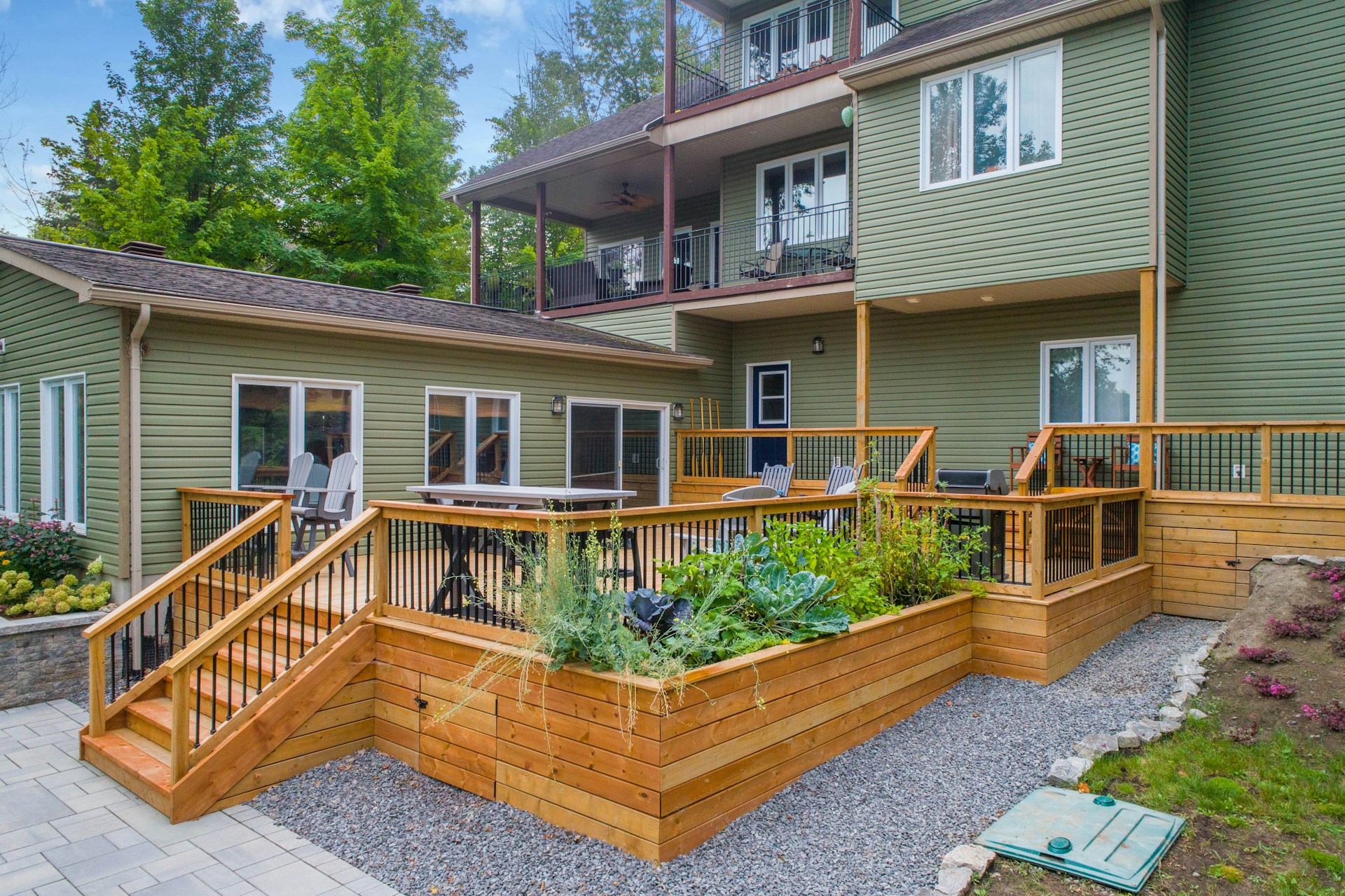
Environmental consciousness is no longer a niche preference — it is a mainstream demand. According to a 2025 report by the American Institute of Architects, over 70% of homeowners now consider sustainability a top priority when renovating outdoor spaces. This is showing up in material choices across the board. Reclaimed wood, recycled composites, and permeable paving materials that reduce stormwater runoff are all surging in popularity.
Drought-resistant landscaping, often called xeriscaping, is another standout trend — particularly in water-stressed regions of the American Southwest and parts of Europe. Native plants that require minimal irrigation are replacing traditional lawns, which can consume up to 60% of a household’s total water usage during summer months. Beyond plants, solar-powered outdoor lighting and rainwater harvesting systems are becoming standard features in high-end exterior renovations.
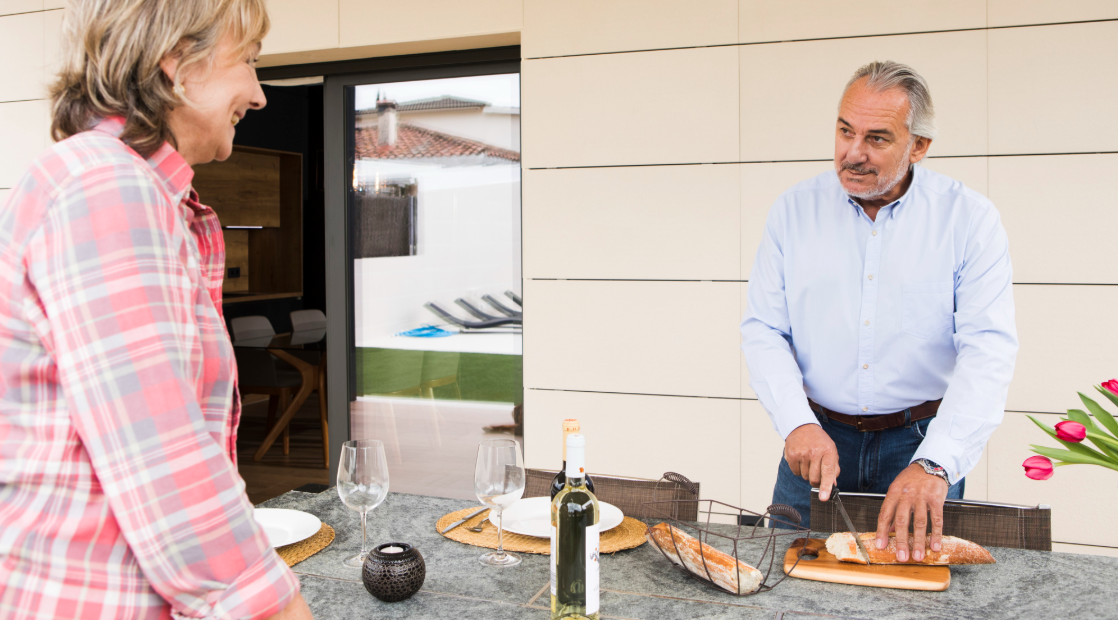
The concept of the “outdoor room” has matured considerably. What was once a simple patio with a couple of chairs has evolved into a fully realized living space, complete with weatherproof sofas, outdoor kitchens, ambient lighting systems, and even climate control features like misting fans and radiant heaters.
Outdoor kitchens, in particular, are seeing extraordinary growth. The outdoor kitchen market was valued at approximately $3.2 billion in 2024 and is projected to grow by more than 5% annually through 2030. Homeowners are installing professional-grade grills, pizza ovens, refrigerators, and wet bars — all built to withstand the elements without sacrificing style. The materials driving this space are porcelain, stainless steel, and concrete, all chosen for their durability and clean visual lines.
One of the more quietly significant shifts in 2026 outdoor design involves how homeowners are approaching boundaries and structural elements. The fence, long considered purely functional, has entered the design conversation in a serious way. Aluminum fencing has become a particularly popular choice for its combination of sleek aesthetics, long-term durability, and low maintenance requirements — a compelling alternative to wood, which warps, and wrought iron, which rusts. It suits the clean, modern lines that define contemporary outdoor design while holding up effortlessly through harsh weather cycles.
Pergolas and shade structures are also being reimagined. Louvered pergolas — roof systems with adjustable slats that can open and close depending on weather conditions — are among the fastest-growing outdoor products in North America. These structures blur the line between indoors and outdoors and are frequently paired with retractable screens, creating a fully enclosed outdoor room at the touch of a button.
Smart home technology has firmly crossed the threshold from interior to exterior spaces. In 2026, outdoor environments are increasingly embedded with sensors, automated irrigation controllers, app-connected lighting, and even AI-powered garden management systems that monitor soil conditions and plant health in real time.
Automated irrigation systems that use local weather data to adjust watering schedules have helped homeowners reduce outdoor water consumption by an average of 30 to 50%, according to the Environmental Protection Agency. Smart lighting systems allow homeowners to control ambience, security lighting, and pathway illumination from a single platform, often integrated with broader home automation ecosystems. Security cameras and motion sensors have also become standard in landscaping plans, discreetly embedded into design elements so they are functional without being visually intrusive.
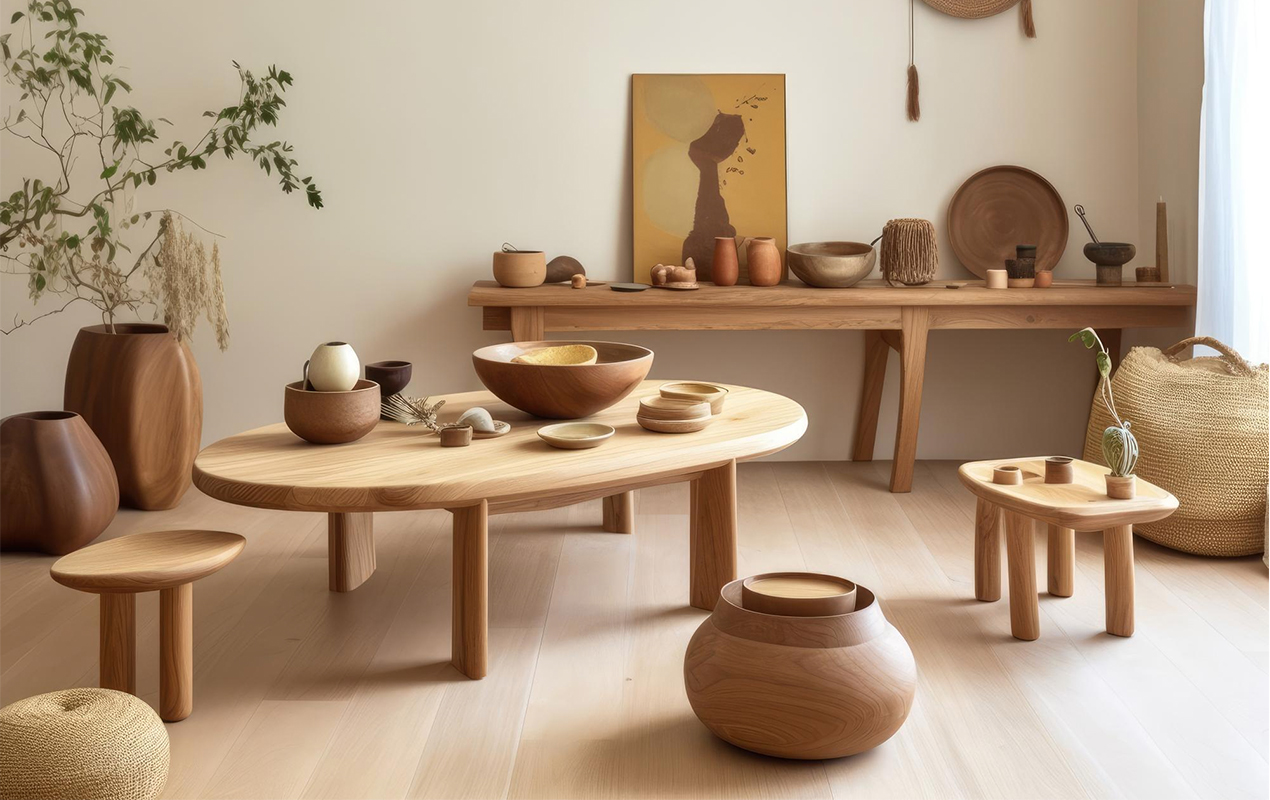
On the aesthetic side of the spectrum, 2026 is seeing a strong return to natural materials and earthy color palettes. Beige, warm terracotta, sage green, and dusty rose are replacing the cool grays that dominated outdoor design for much of the previous decade. These tones connect the home visually to its natural surroundings and pair well with organic textures like rattan, teak, and linen-blend outdoor fabrics.
Natural stone — bluestone, travertine, and quartzite — is reclaiming ground from porcelain pavers, particularly for pool surrounds and entertaining terraces. While porcelain remains popular for its uniformity and ease of maintenance, designers are noting a consumer shift back toward the organic variation and warmth that only real stone delivers.
Outdoor design in 2026 is not about extravagance for its own sake. It reflects something more considered — a desire to invest in spaces that serve real daily life, that hold up over time, and that connect the home to the broader environment rather than imposing upon it. Whether through smarter materials, greener practices, or more thoughtful use of technology, the outdoor home of today is being built to last, look exceptional, and live well.