Modern Coffee Tables: 14 Styles to Exalt Your Home Aesthetic
-
Posted by
Modern Coffee Tables
If you're looking to contemporize your living room, m...









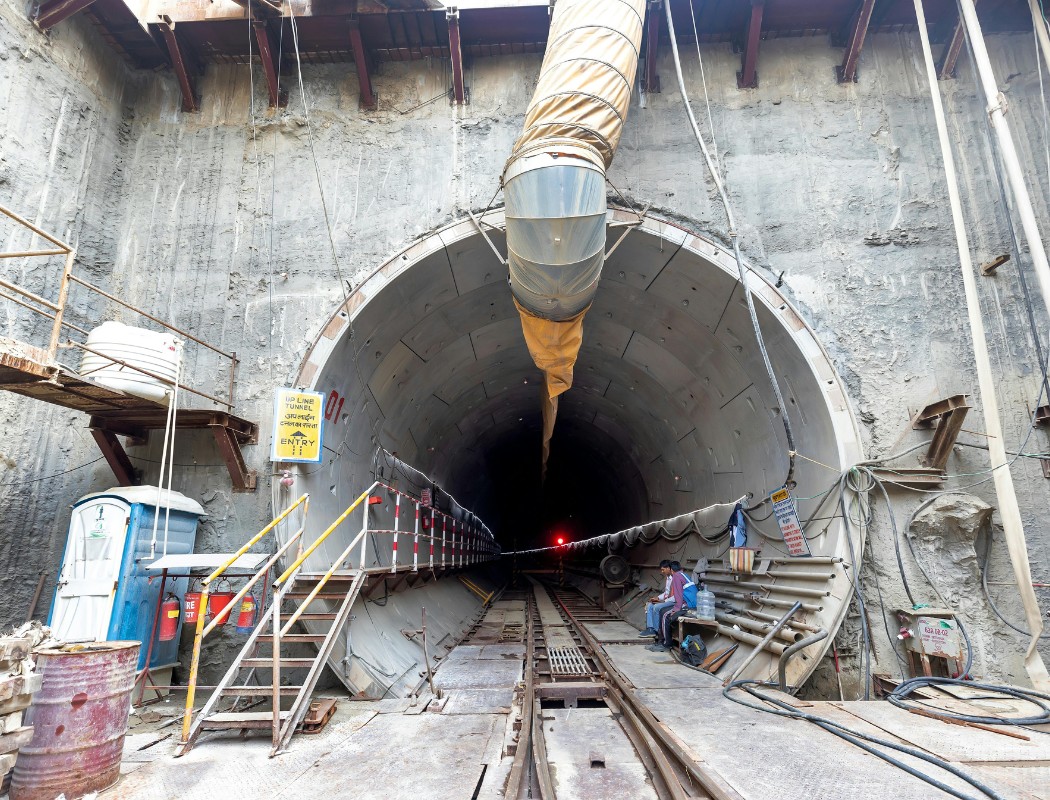
Construction and groundwork projects rely heavily on the right equipment to ensure efficiency, safety and quality outcomes. From small residential developments to large scale commercial builds, having access to dependable machinery plays a vital role in keeping projects on schedule and within budget. Reliable equipment not only improves productivity but also reduces the risk of delays caused by breakdowns or unsuitable tools.
For contractors and property developers seeking dependable support, Plant Hire in Chelmsford offers practical access to well maintained machinery suited to a wide range of construction and groundwork tasks. Instead of investing in costly equipment purchases, hiring provides flexibility, convenience and professional support tailored to project needs.
This article explores the importance of reliable equipment solutions, the types of machinery commonly used in construction and groundwork, and how professional plant hire services support successful project delivery.
Every construction project involves multiple stages that require specialist machinery. From site preparation to final landscaping, each phase depends on equipment that performs consistently under demanding conditions.
Reliable equipment helps to:
Poor quality or poorly maintained machinery can slow progress and increase costs, making equipment reliability a critical consideration for any project.
Plant hire has become an increasingly popular choice for contractors and developers. Hiring machinery provides access to modern equipment without the financial burden of ownership.
Key advantages of equipment hire include:
Hiring also allows businesses to scale equipment use based on project size and duration, improving cost control and operational efficiency.
Groundwork forms the foundation of any successful build. This stage requires durable machinery capable of handling heavy loads and challenging terrain.
Excavators are essential for digging foundations, trenches and drainage systems. Their versatility makes them suitable for various site conditions.
Common uses include:
Compact excavators are ideal for confined spaces, while larger machines support major groundwork operations.
Dumpers play a key role in transporting materials such as soil, rubble and aggregates across construction sites.
Benefits of dumpers include:
Their ability to navigate uneven terrain makes them invaluable during groundwork stages.
Proper ground compaction is essential to ensure stability and prevent future settlement issues.
These machines are used to:
Using the correct compaction equipment ensures a solid base for further construction work.
Beyond groundwork, construction projects require a variety of machinery to support structural development and finishing tasks.
Working at height is a common requirement in construction. Access equipment ensures safety and efficiency during elevated tasks.
Typical applications include:
Using appropriate access solutions reduces risk and supports compliance with safety regulations.
Concrete mixing and placement demand reliable tools to achieve consistent results.
Equipment used may include:
Professional equipment ensures accuracy and durability in structural elements.
Safety is a top priority on construction sites. Using hired equipment that meets current safety standards helps reduce accidents and ensures compliance with regulations.
Reliable plant hire services support safety by providing:
Well maintained equipment reduces the likelihood of faults that could endanger workers.
Delays in construction can lead to increased costs and client dissatisfaction. Access to reliable machinery ensures work progresses smoothly at every stage.
Benefits of dependable equipment include:
Hiring equipment when needed also prevents delays caused by waiting for owned machinery to become available.
Modern construction places greater emphasis on reducing environmental impact. Newer plant hire equipment is often more fuel efficient and produces lower emissions compared to older owned machinery.
Environmental benefits include:
Hiring allows contractors to use updated machinery that supports sustainable building practices.
Construction and groundwork projects vary significantly in scale. Hiring equipment offers flexibility to adapt to different project requirements.
This flexibility allows contractors to:
Whether managing a small residential build or a large commercial development, tailored equipment solutions improve efficiency.
One of the major advantages of hiring equipment is the assurance that machinery is properly maintained. Professional hire providers ensure equipment is serviced and inspected regularly.
This approach offers:
Maintenance responsibility is handled by the provider, allowing contractors to focus on project delivery.
Selecting appropriate machinery requires an understanding of site conditions, project scope and task requirements. Professional advice helps ensure the right equipment is chosen for each stage of work.
Key factors to consider include:
Making informed choices improves safety, efficiency and overall project success.
Reliable equipment solutions are essential for successful construction and groundwork projects. From excavation and material handling to access and compaction, the right machinery supports every stage of development. Hiring equipment offers flexibility, cost efficiency and access to well maintained tools that meet modern safety and environmental standards.
By choosing dependable equipment solutions and planning machinery use carefully, contractors and developers can improve productivity, maintain safety and deliver high quality results on time and within budget.