Strategies for Maintaining a Weed-Free Property
-
Posted by
A clean, well-maintained property sets the tone for comfort, curb appeal, a...



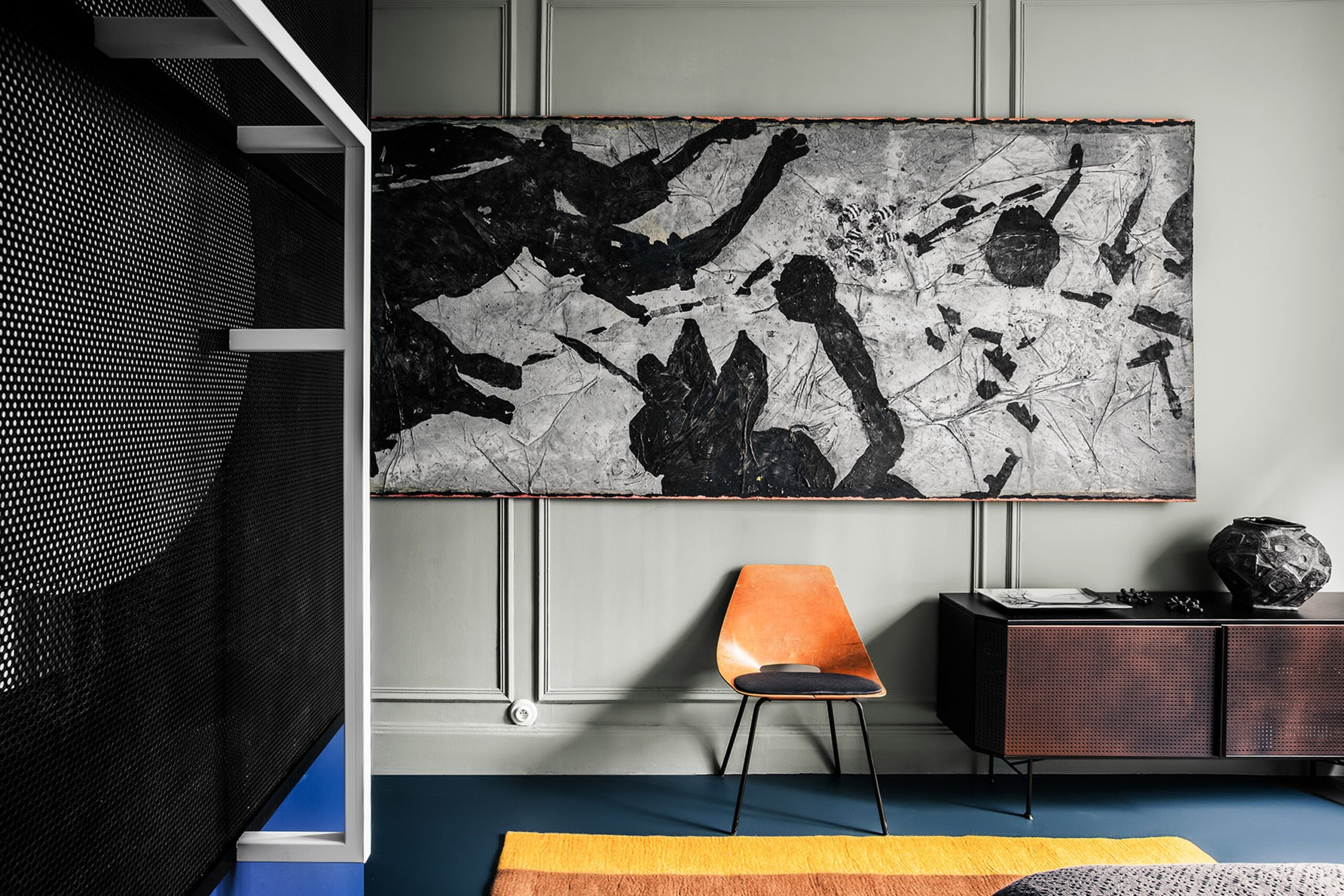


When it comes to interior design, dark colors make a real …
The rustic home decor trend is as popular in 2022 as it ever …

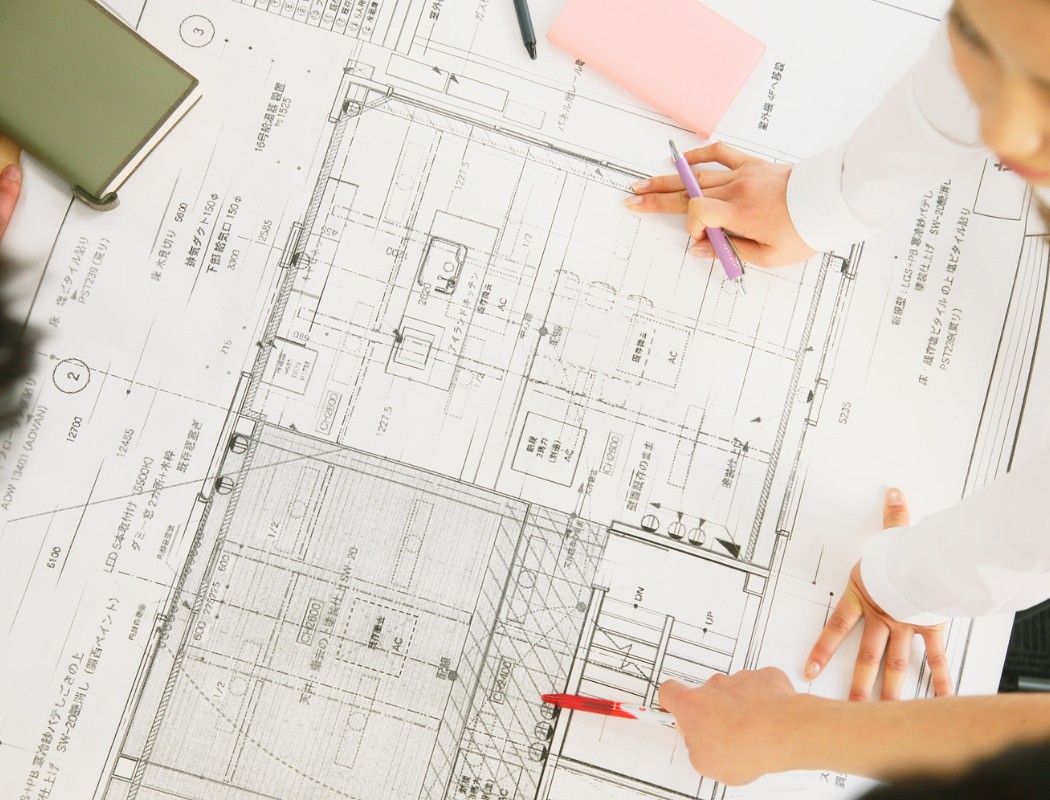
Planning a home design and construction project can feel overwhelming without the right guidance. From the earliest concept stages to final completion, every decision influences the outcome, budget and overall experience. Homeowners often struggle to balance design aspirations with practical considerations such as timelines, coordination and build quality. A well managed approach ensures that each stage flows smoothly, resulting in a home that reflects both lifestyle needs and long term value.
Choosing a design and build specialist such as NOVA Design & Build can simplify this process by combining planning, design and construction into a single coordinated service. This integrated approach reduces delays, limits miscommunication and ensures that every detail is aligned from start to finish. When managed correctly, a design and construction project can be an enjoyable and rewarding experience rather than a stressful one.
This guide explores how to achieve a seamless home design and construction journey, highlighting key stages, practical considerations and the benefits of a well structured process.
The design and build method brings together architects, designers and construction professionals under one coordinated framework. Instead of managing multiple contractors separately, homeowners work with a single team responsible for the entire project.
This approach offers several advantages:
By having one point of responsibility, potential issues are addressed early, reducing costly changes later in the build.
Successful projects begin with thorough planning. This stage focuses on understanding your vision, lifestyle requirements and practical constraints. Clear objectives allow the design team to develop solutions that align with your expectations.
Key planning considerations include:
A detailed consultation ensures that the project scope is well defined before design work begins.
Design is not just about appearance. It must support everyday living while complementing the existing property. A balanced design considers layout, flow and functionality alongside aesthetics.
Effective space planning maximises usability and comfort. Designers consider how rooms connect and how natural light is used throughout the home.
Important factors include:
Thoughtful layouts enhance both convenience and visual appeal.
Material choices influence durability, maintenance and overall atmosphere. Selecting suitable materials early helps avoid delays during construction.
Common considerations include:
High quality materials contribute to longevity and a refined finish.
Once designs are finalised, the construction phase begins. Careful coordination at this stage ensures that work progresses efficiently and safely.
A clear schedule outlines each stage of construction and helps manage expectations. Timelines should account for material lead times and inspections.
Benefits of structured scheduling include:
Regular updates keep homeowners informed and confident throughout the build.
Maintaining high standards during construction is essential. Regular site inspections ensure that workmanship meets agreed specifications.
Quality control involves:
Attention to detail during construction leads to superior outcomes.
One of the main concerns for homeowners is budget overruns. Transparent cost planning and monitoring help prevent unexpected expenses.
Effective budget management includes:
By understanding where money is allocated, homeowners can make informed decisions without compromising quality.
Clear communication is the foundation of a smooth project. Regular contact between the homeowner and the project team ensures that questions are answered quickly and changes are managed efficiently.
Effective communication involves:
Strong coordination reduces misunderstandings and keeps the project aligned with the original vision.
All construction projects must meet building regulations and safety standards. A professional team ensures compliance at every stage, reducing the risk of delays or legal issues.
Key areas of compliance include:
Managing these requirements professionally protects both the homeowner and the investment.
The final stage focuses on interior finishes and detailing. This phase brings the design to life and defines the character of the home.
Key finishing elements include:
Attention to finishing touches ensures a polished and cohesive result.
A seamless project concludes with a thorough handover. Homeowners should receive clear documentation and guidance on maintenance.
A professional handover includes:
Aftercare support provides reassurance that any post completion concerns will be addressed.
Even well planned projects can face challenges. Awareness and proactive management help minimise disruptions.
Common issues include:
Addressing potential challenges early supports smoother delivery.
A carefully designed and constructed home offers lasting benefits. Beyond immediate comfort, it enhances property value and functionality for years to come.
Long term advantages include:
Investing in quality design and construction delivers returns well beyond completion.
A seamless home design and construction project relies on careful planning, expert coordination and clear communication. By following a structured process and working with experienced professionals, homeowners can transform ideas into reality with confidence.
From initial consultation to final handover, each stage plays a crucial role in achieving a home that meets practical needs while reflecting personal style. With the right approach, the journey can be just as rewarding as the finished result.