Modern Bathroom Renovation: Transform Your Space with Style and Functionality
-
Posted by
Defining Your Modern Bathroom Renovation Vision
Creating your modern bathr...





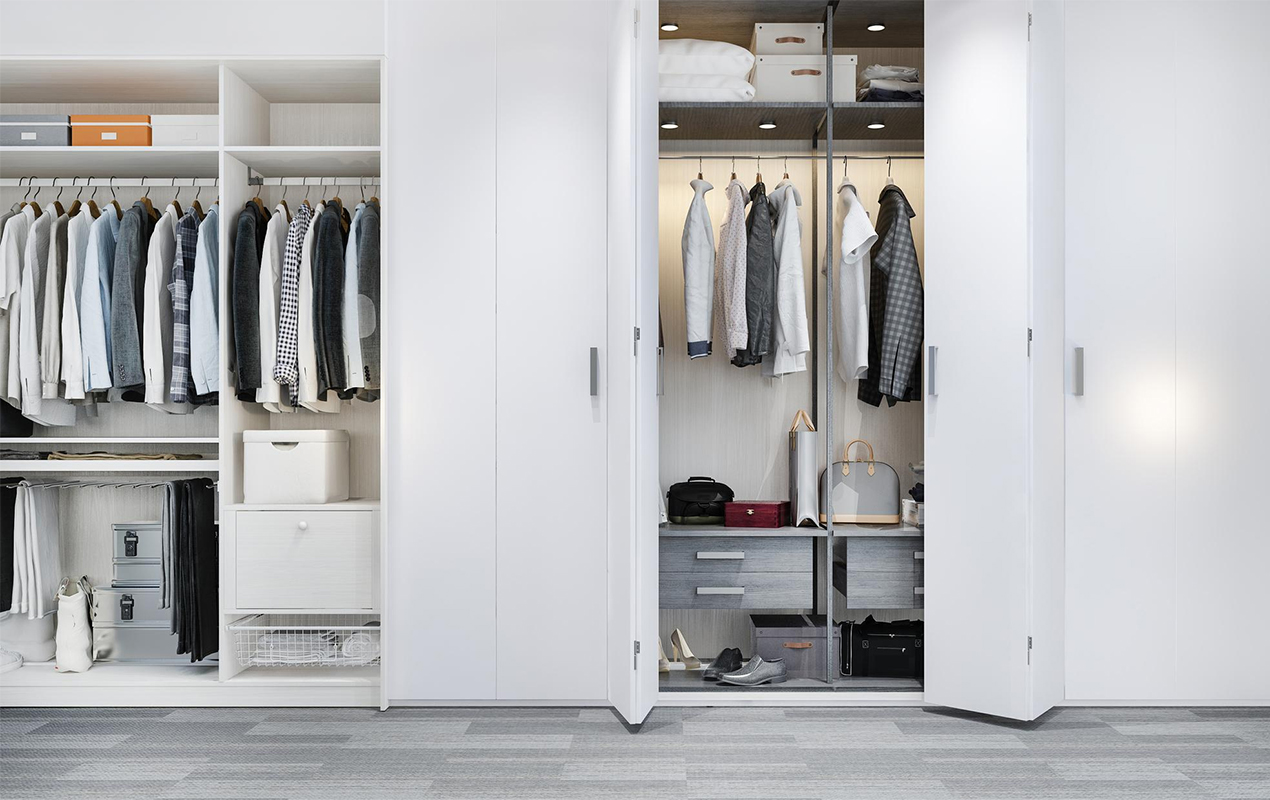
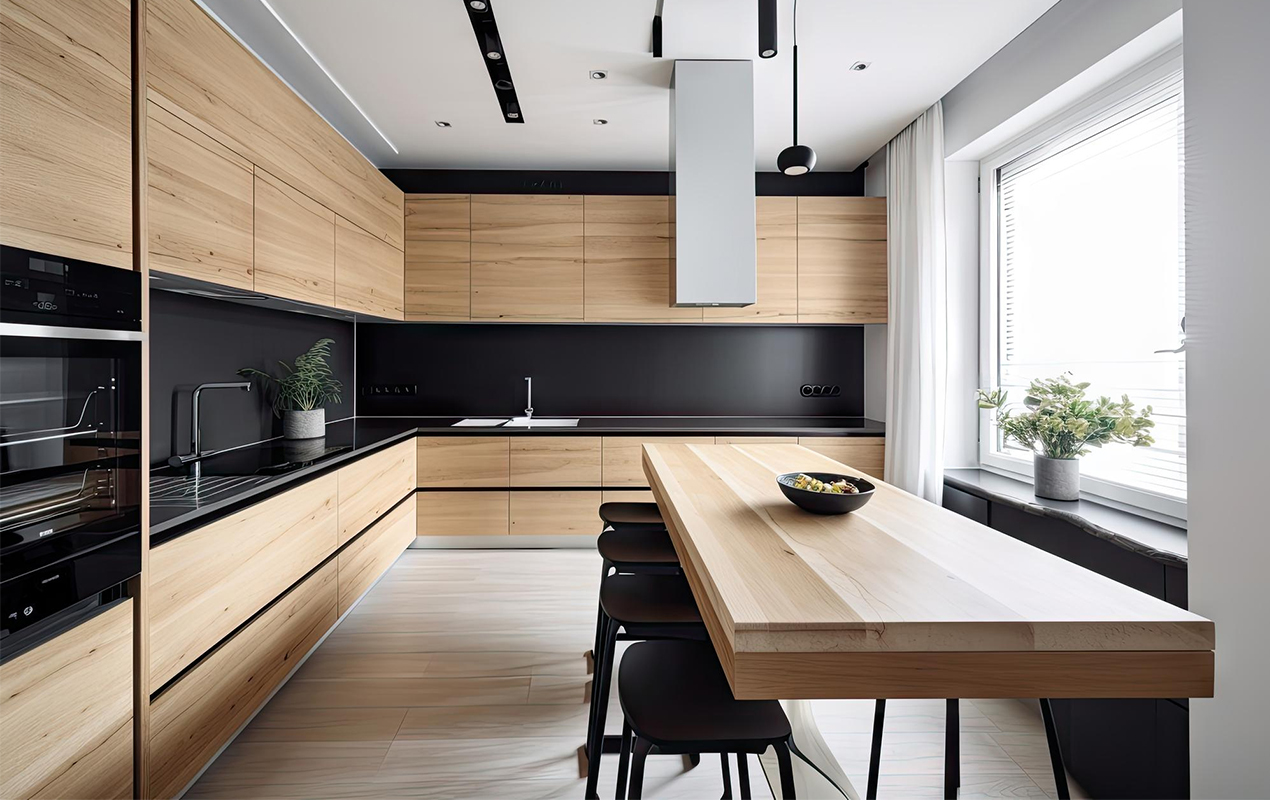
A sofa arrives. It’s exactly what you ordered — right colour, right dimensions — and it still feels wrong. Too heavy for the room. Too low against the wall you painted. The arms wider than you pictured when you were reading the spec sheet on your phone. Nothing about the product was misrepresented. You just couldn’t see it properly before it got there.
This happens more than people admit, and it’s not really about making bad choices. It’s about the gap between a product image and an actual room.
Scale does the most damage. The problem with a lone product shot — sofa against white, coffee table on nothing — is that there’s nothing to measure against. You’re left doing mental arithmetic. You know the width is listed as 220cm, but 220cm in relation to what? Your room? The one you’re trying to picture, with the window on the left and the radiator on the right?
Wood tones are the second thing that goes wrong. A finish labelled “warm oak” can look golden in product photography and considerably greyer at home, depending on what your walls are doing and which direction the room faces. A north-facing room reads every warm tone differently than a south-facing one. You don’t always find that out until the piece is in.
And then there’s the question of whether something will actually suit the room it’s going into. A piece can be genuinely attractive on its own and still feel out of place once it’s sitting next to everything you already own.
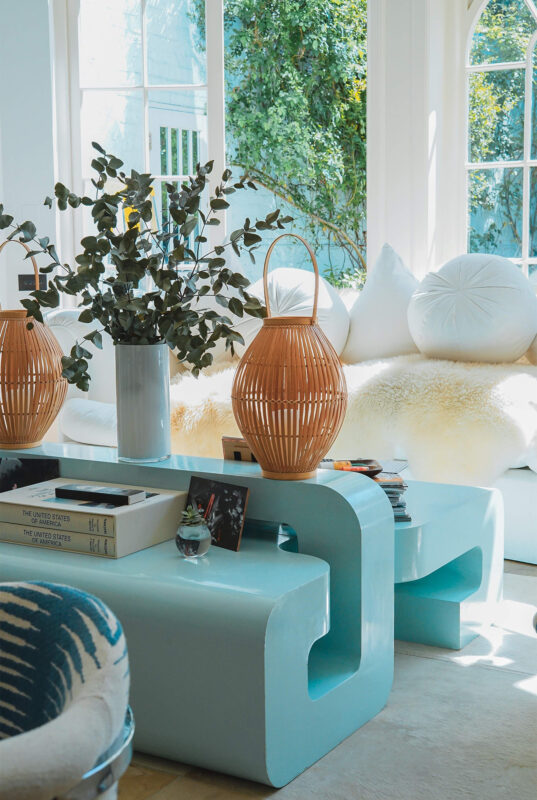
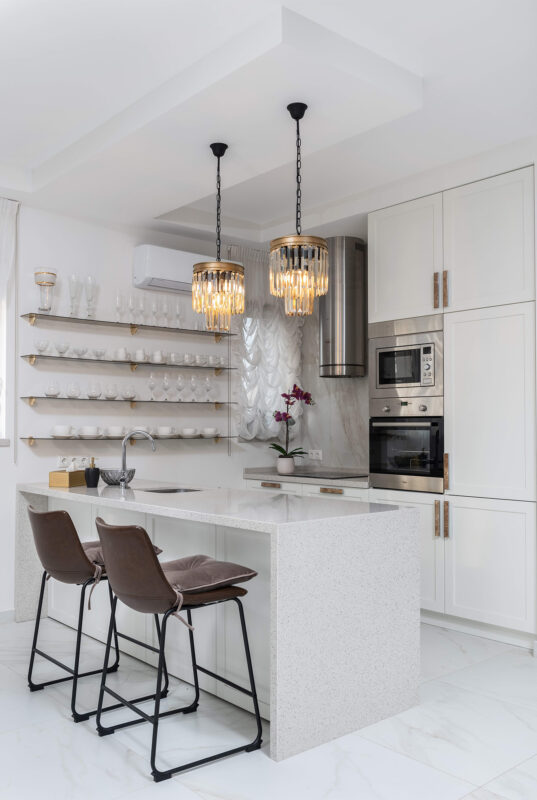
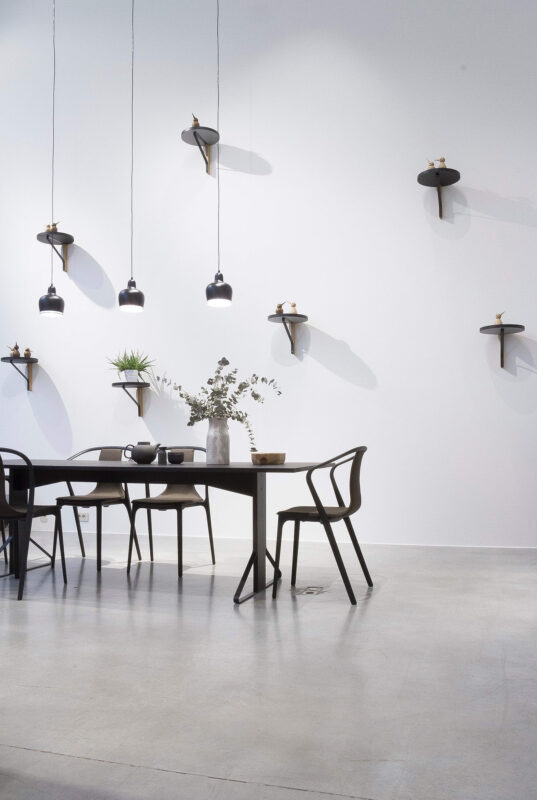
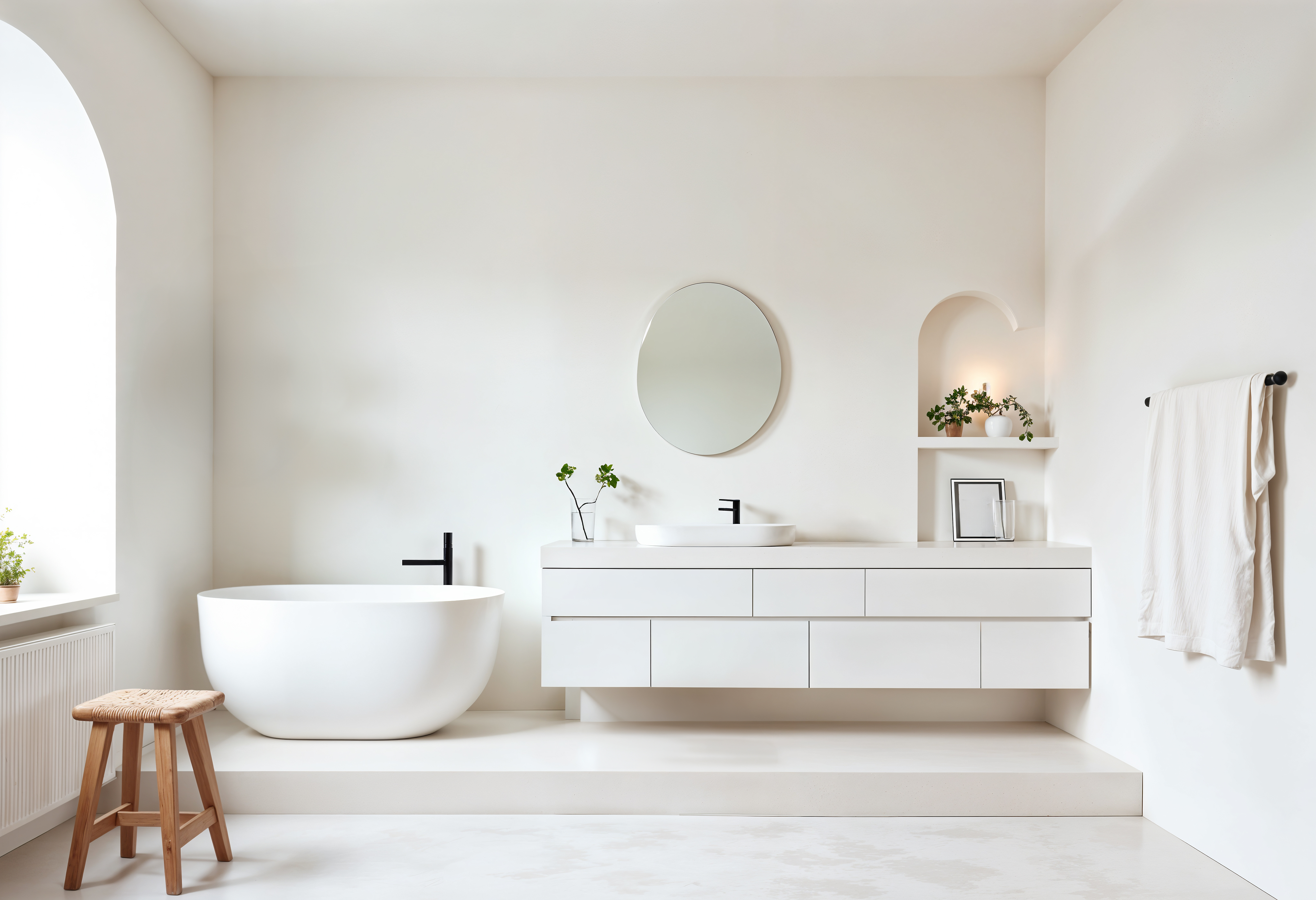
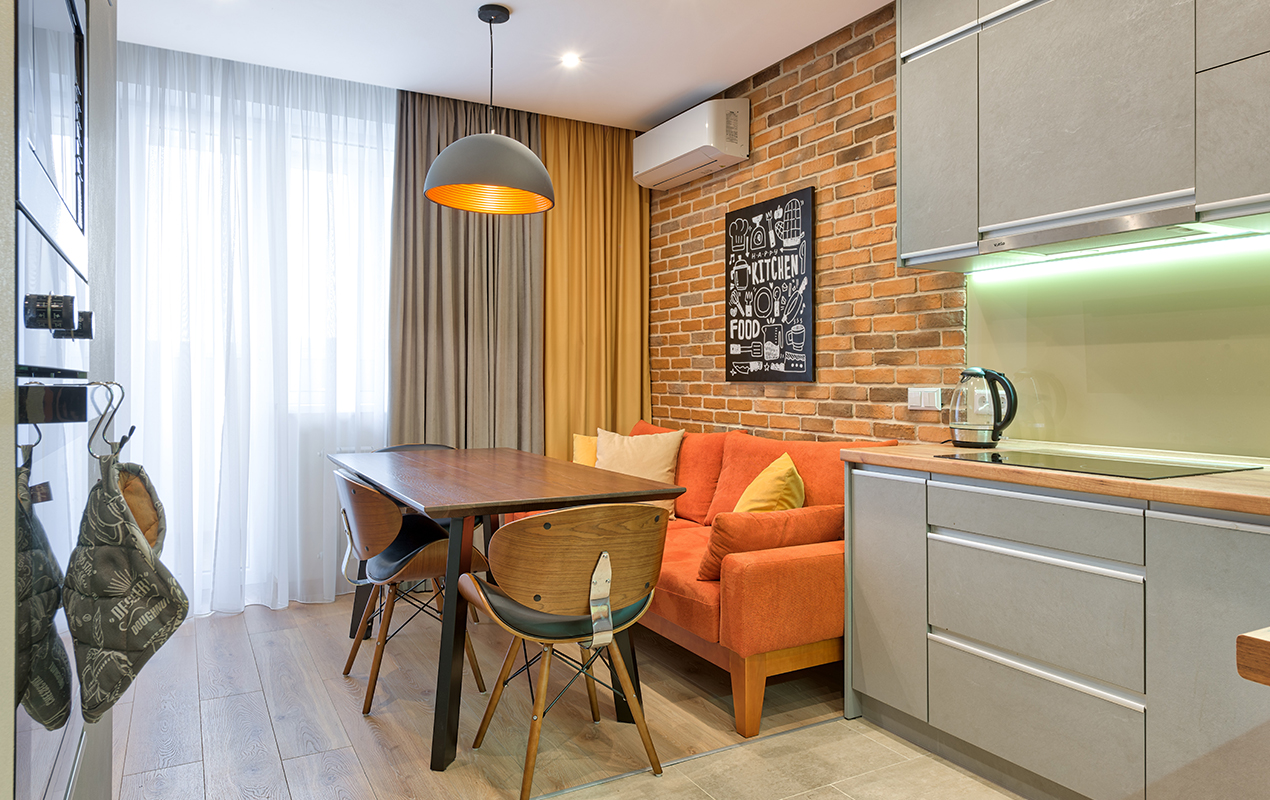
When furniture is shown inside a styled room — even a simple one — you get spatial information that a product shot can’t give you. How much of the wall does the wardrobe actually take up? Does the dining table leave room to pull chairs back properly? Does the sofa sit too low for the window it’ll end up next to?
These things show up in a room visual. They don’t show up in a spec table.
Finishes behave differently next to other things. A dark sideboard in an airy room with pale walls can feel anchoring and rich. The same sideboard crammed next to warm wood flooring and terracotta tones can feel suffocating. You can’t always predict this from a swatch and a paint chip.
Room images — even when they’re staged or digitally produced — show you the finish under conditions that are closer to reality than a studio background. And that extra context is often what changes a decision.
This is the harder thing to evaluate, and it’s where most people skip a step. You’re not choosing furniture for an empty room. You’re choosing it for a room that already has things in it — a rug, a colour on the walls, other pieces with their own tones and lines. A good room visual gives you a reference point for whether the new piece would feel at home in that mix, or whether it would pull against everything else.
A white-background product image has its uses. You can examine the hardware finish, look at the stitching detail on upholstery, get a cleaner read on the surface texture. But it tells you what the object is, not what it does to a room.
Insight: Lifestyle images used by furniture brands are almost always shot in larger, taller spaces than most homes actually have. If a sideboard looks proportionate in a room with three-metre ceilings and wide-plank floors, it might read as more imposing in a typical flat. Adjusting for that mentally is part of using these images well.
The rooms in those images aren’t your room. But they’re closer to your room than a studio shot on a white background is, and that difference is usually enough to catch obvious misjudgements before they show up on delivery day.
Some retailers now use digitally produced room scenes to show products in context — not photographs of physical rooms, but rendered interiors built around accurate product geometry. When shoppers need help judging scale, finish, and room fit before buying, furniture rendering can make a styled preview easier to understand than a flat product image.
The practical value is that these can be produced across different finish options and room types, which photography schedules don’t always allow. You might be able to see the same dining table in a pale Scandinavian setting and a warmer, darker room — useful if you’re genuinely unsure which version of the product suits your home. And because the geometry is accurate, the proportions in these images reflect the real object, not an approximation.
They’re one tool. But combined with measurements and, where possible, physical samples or swatches, they close some of the gap.
Measure twice. Width and height are obvious, but depth is the one people miss — and depth is often what makes a piece feel too big once it’s in. For sofas, measure the floor space in front of it too. A sofa that fits the wall might still leave no room to walk past the coffee table comfortably.
Look at the room you’re buying for, not the room you wish you had. What wood tones are already there? What’s the wall colour doing to the light? If you’re adding a new piece to a room with existing furniture, the question isn’t just whether you like the new piece — it’s whether the new piece and the old ones will work in the same space.
Rooms don’t have to match. But there’s a real difference between a room with deliberate contrast and a room that feels like furniture from five different decisions landed in the same space.
Natural light changes everything, and it’s worth thinking about which wall the piece will be on before you fall for a finish. A dark piece on the wall opposite your main window reads differently than the same piece on the window wall. If a finish feels risky, ask whether the retailer offers samples before you commit to a full order.
And beyond light — does the piece work for how you actually use the room? A beautiful sideboard with doors that open into your main walkway is going to frustrate you every day, regardless of how good it looks.
The rooms that feel genuinely thought through tend not to be the ones where every individual piece was chosen carefully in isolation. They’re the ones where someone paid attention to how things relate to each other — scale, finish, proportion, the way different wood tones sit together — and made decisions with that in mind rather than piece by piece.
Visual previews are one part of building that picture before you commit. They won’t replace getting into a showroom when that’s an option, and they won’t replace having a swatch in your hand next to your wall. But they give you something closer to the real question not “do I like this piece?” but “will this piece work in my room?” — and that’s usually the more useful thing to know first.