The Role of Quality Paving in Contemporary Landscape Architecture
-
Posted by
Contemporary landscape architecture focuses on creating outdoor spaces that...


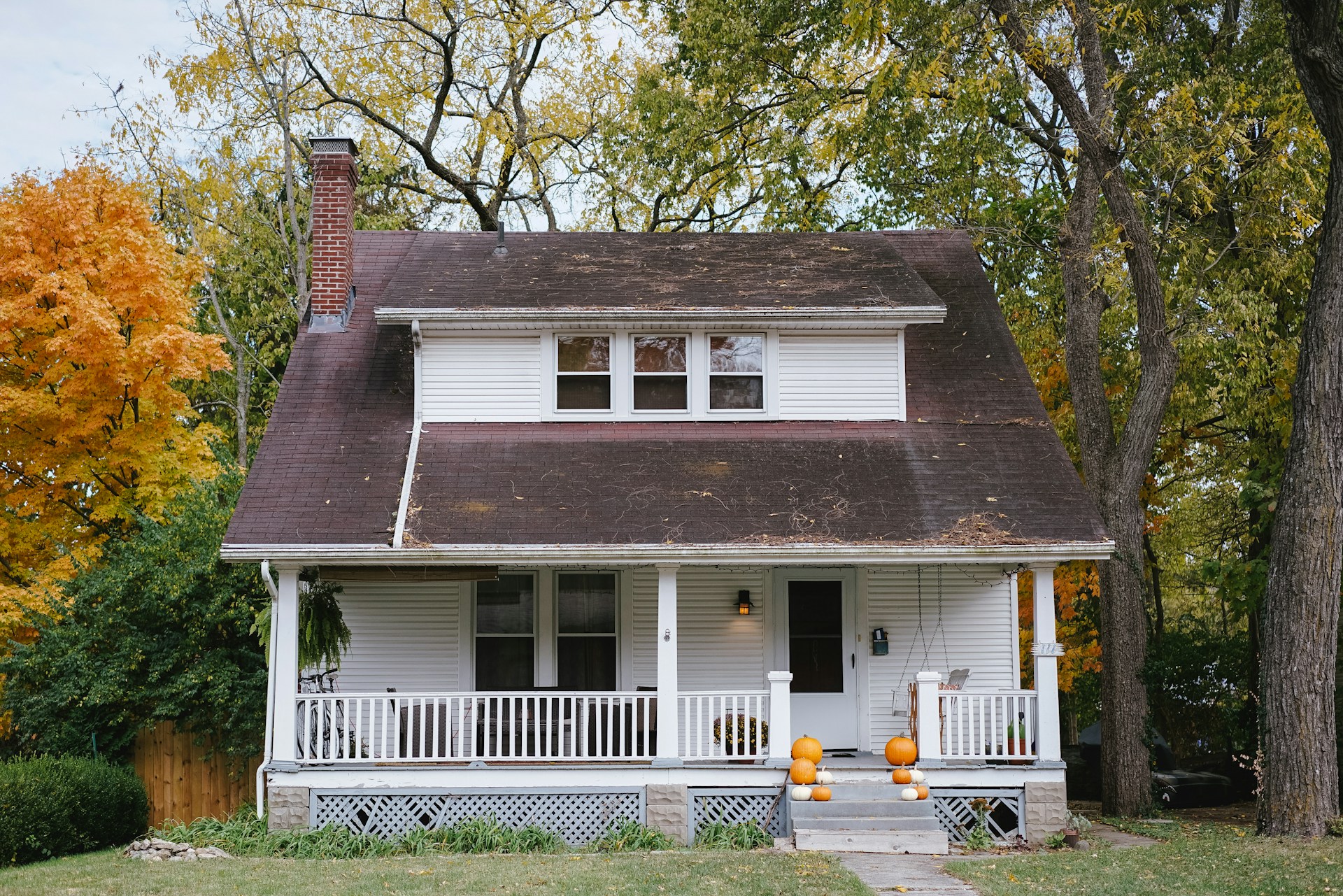

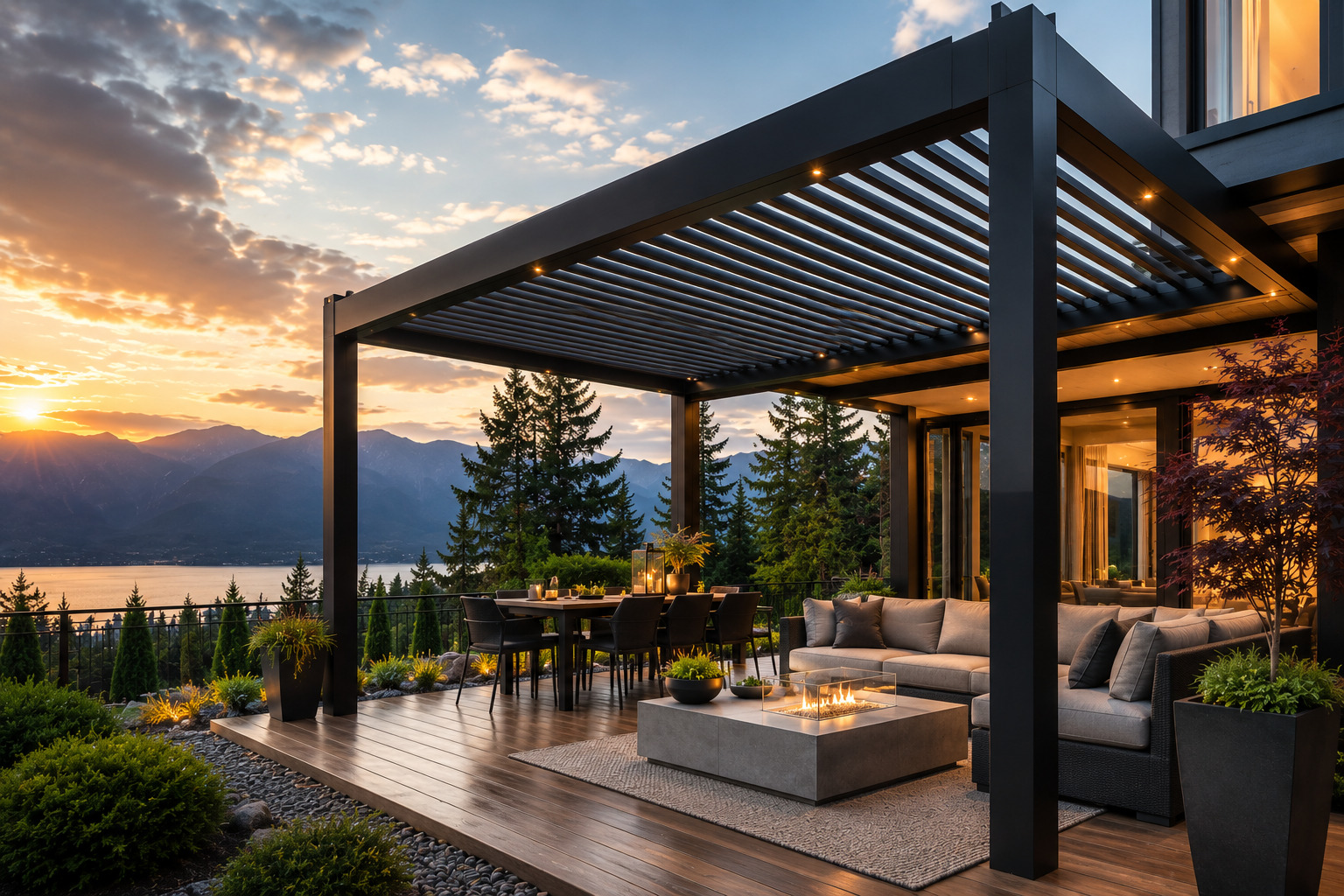
Pergolas are a standard feature in modern outdoor design in Canada. Pergolas create additional usable outdoor space, provide protection from the weather, and enhance the property’s visual appeal. Modern pergolas are built to withstand outdoor conditions for extended periods while allowing homeowners to use their spaces year-round. Aluminum pergolas remain popular because of their exceptional durability and minimal maintenance requirements.
Traditional pergolas were wooden garden structures used for shade and plant support. Modern pergolas are architectural systems integrated into residential design. Their function is practical rather than decorative.
Current pergola systems include:
Most modern pergolas are designed for continuous outdoor exposure and require minimal servicing.
Canadian climates place significant stress on outdoor structures. The combination of snow and rain, along with humidity and temperature fluctuations, shortens the life spans of low-quality materials. Modern pergolas are designed to withstand these specific environmental conditions.
Aluminum pergolas resist corrosion, moisture, and frost damage. The powder-coated surfaces maintain their appearance even after prolonged exposure to UV radiation and rain.
Pergolas also improve outdoor usability. Covered patios remain functional during rain and in direct sunlight. Adjustable roof systems improve airflow and shade control. This increases comfort during summer months and extends outdoor use into colder seasons.
Wood and aluminum are the primary materials for pergolas in Canada. Their performance differs significantly.
Wooden pergolas create a natural appearance and are often featured in traditional landscape projects. However, wood absorbs moisture and requires continuous protection against rot, insects, and surface damage. Owners must perform seasonal maintenance, which raises costs over time.
Aluminum pergolas are more durable and better suited for modern residential construction. Aluminum does not rust, crack, or deform under changing weather conditions. It also supports integrated automation systems and larger structural spans.
Main differences between wood and aluminum pergolas:
Although aluminum systems usually cost more initially, lower maintenance requirements reduce long-term ownership costs.
Designers craft modern pergolas to match contemporary architecture. Homeowners install them on patios, terraces, outdoor kitchens, and poolside spaces. Minimalist frame profiles allow pergolas to integrate with glass, steel, concrete, and composite materials.
Integrated lighting and motorized roofs improve functionality. They do so without affecting the structural design. Some pergolas also include retractable screens or sliding glass panels for additional weather protection.
Pergolas improve residential functionality by creating protected outdoor areas for daily use. Covered spaces support dining, recreation, and entertainment activities during different weather conditions.
They also improve property value. Outdoor living areas are an important factor in Canada’s real estate market. Homes with professionally installed pergolas often appeal more to buyers. Outdoor upgrades reduce future renovation needs.
Modern pergolas are designed for Canadian climate conditions. The aluminum systems deliver exceptional strength, minimal maintenance requirements, and architectural compatibility with contemporary building designs. They improve patio usability, provide weather protection, and increase property value.