17 Folding Coffee Tables: Added Convenience to Space Saviors
-
Posted by
Folding Coffee Tables
The rise of the folding coffee table is a testament ...

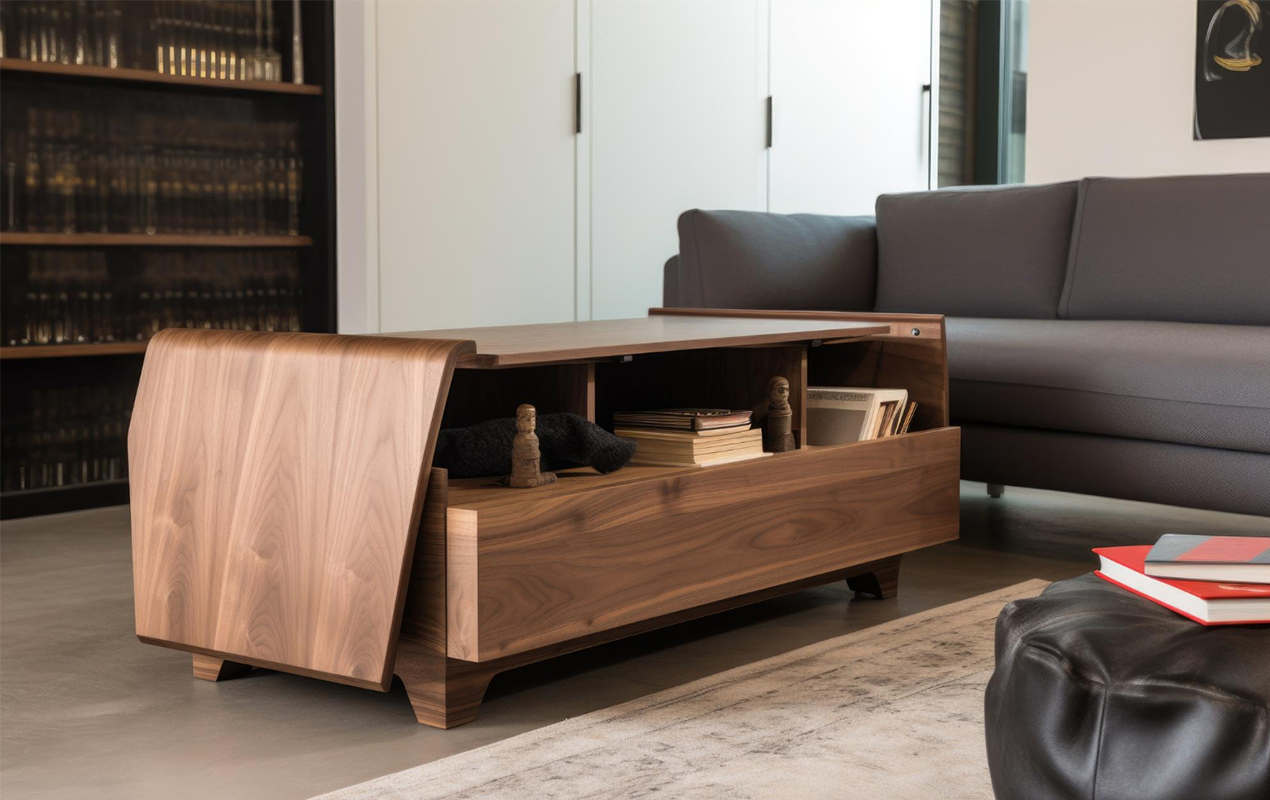

When considering interior upgrades, it is imperative to put the …

If we had to define the core aesthetic of 2026 in a single phrase, it would be this: “International Style meets Zen.”
For years, “Modern Design” often implied sleek and dazzling, but frequently felt cold or sterile. On the other end of the spectrum, “Bohemian” or “Farmhouse” styles offered warmth but often veered into clutter. Organic Modern is the perfect equilibrium between these two worlds. It borrows the clean, architectural lines of modern design and softens them with the warm, tactile imperfection of nature.
As the design team at Morrahome notes, this style serves as an antidote to the “fast furniture” era. It replaces the pursuit of “perfection” with a celebration of authenticity, favoring materials that breathe and age gracefully over time.
To truly master this look, you need to understand its foundation. It’s not just about buying beige furniture; it’s about adhering to three core principles.
The soul of this style lies in “tactility.” Organic Modern rejects plastics and high-gloss synthetics in favor of materials that feel honest:
The era of “Cool Grey” dominance is officially over. The Organic Modern palette is lifted directly from the earth: Creamy Oat, Soft Terracotta, Olive Green, and Warm Charcoal.
These colors create a monochromatic backdrop that allows the texture of the materials—like the deep folds of a curtain or the grain of a coffee table—to become the visual protagonist.
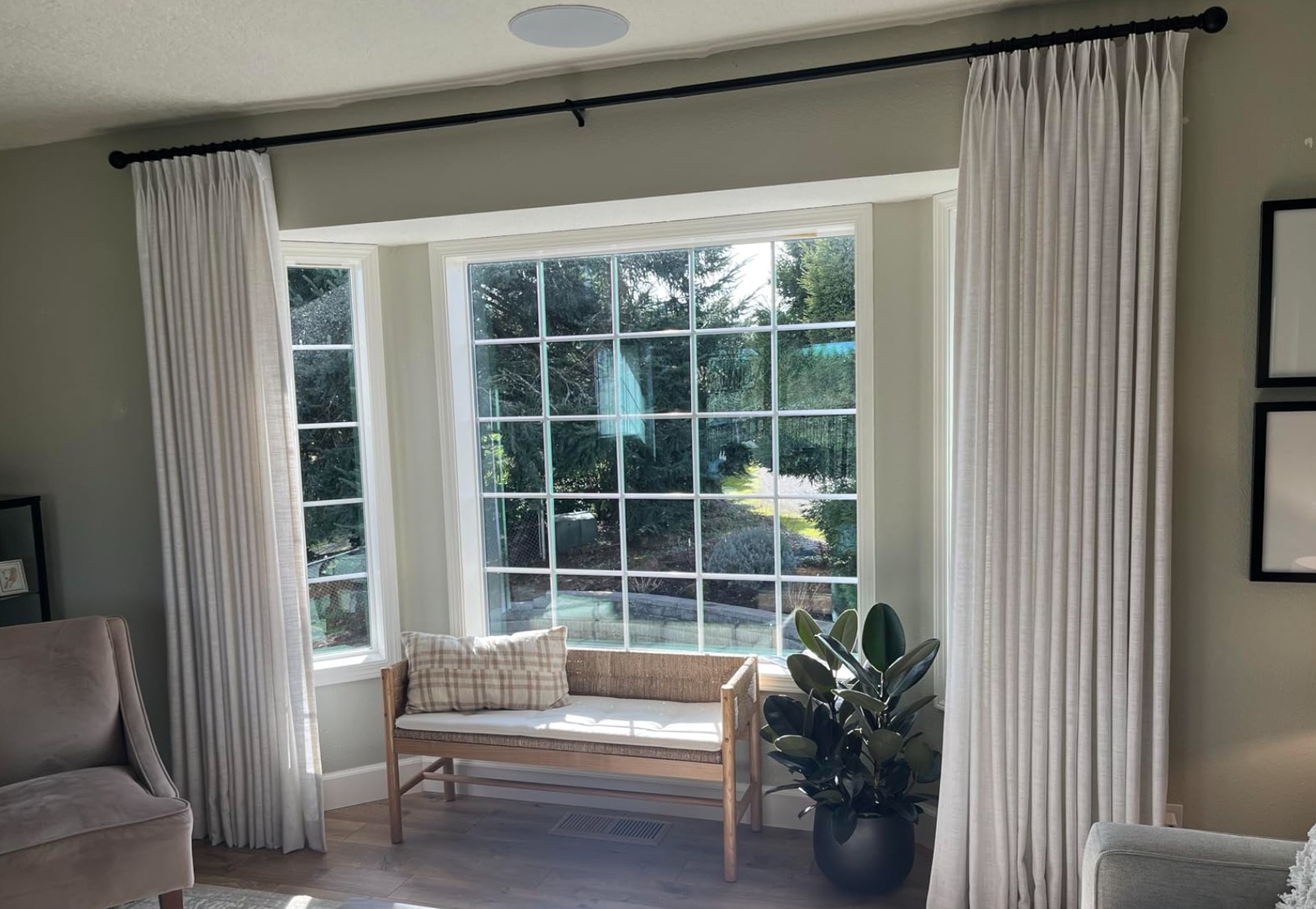
While the “bones” of the room may be modern and linear, the furniture and soft furnishings introduce Organic Curves. A rounded sofa, an arched mirror, or the column-like flow of Pinch Pleat Drapery breaks the rigidity of straight lines. This juxtaposition of hard vs. soft and straight vs. curved is the secret ingredient that makes a space look expensive and curated.
When crafting an Organic Modern space, the header style of your curtains is just as critical as the fabric choice. After analyzing thousands of customer reviews and search results, we’ve broken down the core differences between the two most common styles.
Grommet curtains are often the entry-level choice for many homeowners.
If you are craving that “high-end custom look,” Pinch Pleat is the undisputed winner.
Our Verdict: While Pinch Pleat curtains require a bit more effort with hooks and rings, the visual upgrade is massive. If you want a home that feels timelessly elevated, this is the investment to make.
The core of Organic Modern is balance—natural warmth meets modern discipline. Pinch Pleat drapes are the standard for this style because they provide “relaxed structure.”
So, you’ve decided on the style. How do you execute it flawlessly? Here are our practical tips for buying and styling.
The key to Pinch Pleat is the “fit.” Standard off-the-shelf curtains often have fixed sizes that result in an awkward hover above the floor. If you are looking for professional-grade window treatments, we highly recommend checking out Morrahome.
Why we love them: They specialize in the custom space, with a deep understanding of Linen. They preserve the unique, natural texture of the flax while using high-temperature memory shaping. This ensures the drapes arrive with that breathable, organic feel but hang with a heavy, precise drape that “kisses the floor” perfectly.
Since Pinch Pleat curtains hang from rings, the rod is exposed and becomes a vital visual element.
A home shouldn’t just be a container for living; it should be a sanctuary for the soul.
The allure of the Organic Modern style lies in its ability to carve out a space where we can take a deep breath amidst the fast pace of modern life. Choosing the right set of linen pinch pleat drapes might seem like a small step in a renovation, but when the sunlight filters through that natural texture, the quiet beauty it brings can shift the energy of an entire room.
Never underestimate the power of details.