5 Types of Made-to-Measure Curtains Best for a Living Room
-
Posted by
Made-to-measure curtains are an easy way to give your space a tailored fini...







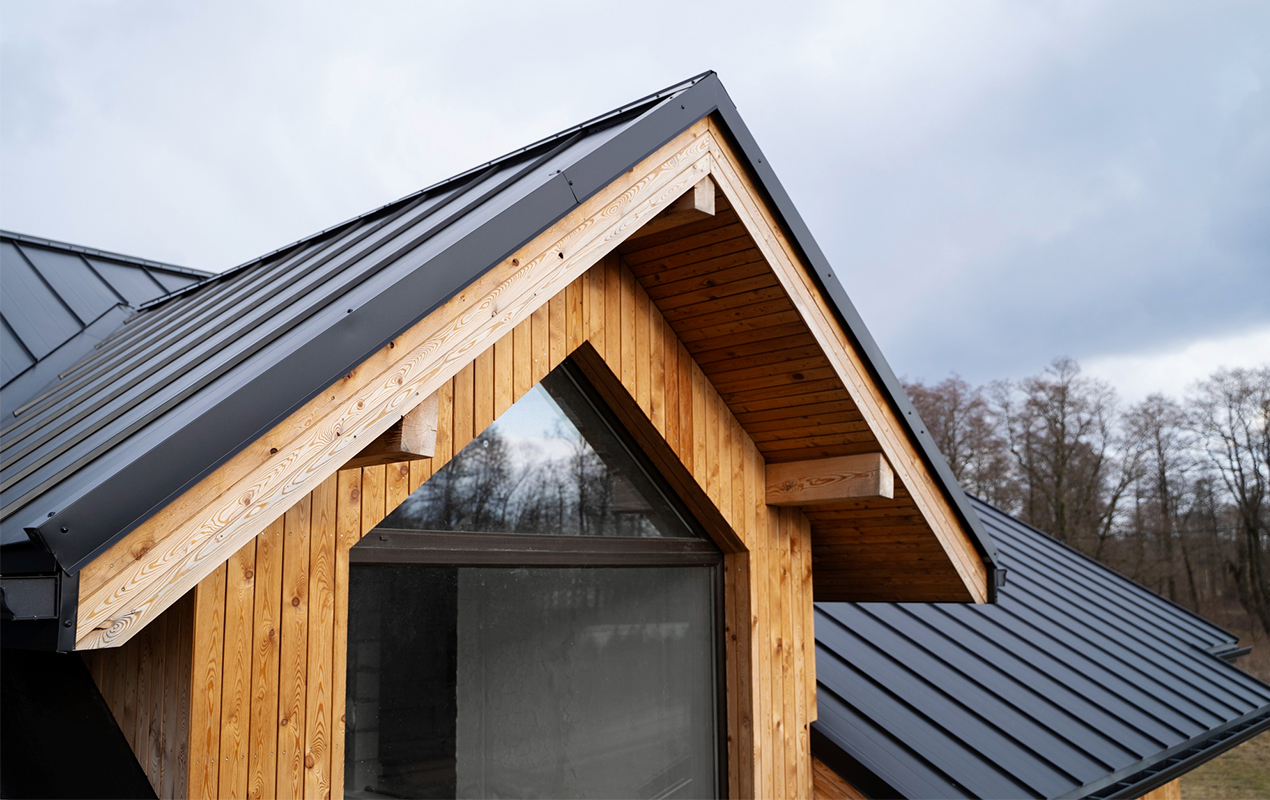





A long-lasting home starts with simple habits. The big goal is to keep water, sun, and pests from chewing through materials before their time. With steady upkeep and a few small upgrades, the bones of your house can outlast many trends.
Water is the main threat to structural parts. It creeps into cracks, swells soil, and weakens materials over time. Fix small drainage issues fast – they grow into big repairs if ignored.
Walk to your home after heavy rain. Note where water pools near walls, stoops, and steps. Mark these spots so you can regrade or redirect runoff.
Give the soil room to shed water. Keep mulch a few inches below siding and off sill plates. Clear leaves from window wells so water does not back up.
Roofs fail early when ventilation is poor, debris piles up, or small flashing gaps go unfixed. Schedule a roof walk in mild weather, and clear valleys and gutters. If you see curling shingles, lifted nails, or cracked sealant, act now.
Skilled pros can spot small flaws that lead to rot and mold. A reliable option is Capstone Roofing and similar providers for thorough inspections and repairs, and many issues can be handled in a single visit. Keep simple notes on dates and materials so future work is easier.
Ventilation matters for shingle life. Confirm soffit inlets are open and ridge vents are clear. Balanced airflow helps sheathing stay dry through all seasons.
The ground around your house should slope away from the walls. A trusted home improvement source suggests aiming for roughly a half-foot of drop over the first ten feet. That gentle pitch helps move stormwater out and down instead of into your basement.
Use a long level or a string line to check the grade. Add topsoil where needed and feather it into the lawn. Tamp lightly so the new soil will not settle into birdbaths.
Revisit grading every year. Freeze-thaw cycles and burrowing critters can undo good work. Touch-ups take minutes compared to foundation repairs.
Downspouts must carry water far enough from the house. A home design magazine points out that pushing discharge about 5 to 10 feet away cuts the risk of erosion and costly foundation damage that can reach five figures. That distance is simple insurance for the structure.
Snap on extensions where space allows. If a walkway blocks the path, consider a buried drain line with a pop-up emitter. Keep outlets clear of mulch and grass.
Check after storms. If you see washouts at the splash block, the run is too short. Extend it and compact the soil to resist future scouring.
Gutters protect siding, windows, and foundations by steering water away. Clean them at least twice a year, and after heavy leaf drops. Confirm that hangers are tight, seams are sealed, and outlets are free of nests or toys.
Walk the perimeter during a steady rain. Look for overshoot at roof valleys and adjust splash guards. Listen for downspout rattles that hint at loose fasteners.
Finish with a hose test on sunny days. Run water in sections to check for leaks and sagging. Adjust pitch so each run drains without puddles.
Sun and splashback are hard on siding. Keep shrubs trimmed a foot or more off walls for airflow. Wash siding with a soft brush and mild cleaner to remove grime that traps moisture.
Touch up finish where hairline cracks form. On painted wood, prime bare spots quickly to block water. For fiber cement or vinyl, replace cracked pieces before wind and water find the gaps.
Mind fixtures and penetrations. Re-caulk around lights, hose bibs, and vents. Use backer rod for wider joints so the sealant can flex.
Attic health shapes roof life and indoor comfort. Look for dark patches on sheathing that signal past condensation. If insulation is uneven, top it off without blocking soffit paths.
Air needs a clear route from the soffits to the ridge. Install baffles at each rafter bay, then confirm daylight shows at the inlets. A balanced system reduces ice dams and protects framing.
Check after big temperature swings. If you find frost on nails or damp insulation, boost airflow and air seal ceiling leaks. Bathroom fans should vent outdoors, not into the attic.
Care, not luck, is what makes homes last. Keep water moving away, seal gaps, and check trouble spots on a schedule. With steady attention to drainage, roofing, and simple seals, your home’s structure can stay strong for many years.