A Simple Guide to Matching Duvet Togs with Room Temperature
-
Posted by
Choosing the right duvet can significantly enhance your sleep quality. A du...












Your living room textiles work harder than you think. That throw draped over your sofa, those cushion covers, the blanket basket by the fireplace—they’re all exposed to daily wear, spills, and dust. When you care for these fabrics sustainably, you extend their life, save money, and reduce environmental impact without sacrificing that cozy atmosphere you’ve worked to create.
The same bedding care principles that keep sheets fresh can transform how you maintain living room textiles. Whether you’re repurposing old duvets as daybed covers or simply washing throw pillows more efficiently, these research-backed methods will help you maintain a healthier, more sustainable home in 2025.
The biggest misconception about textile care? That more washing equals better hygiene. Research shows that overwashing actually breaks down fibers faster, leading to premature replacement and unnecessary waste. For living room throws and cushion covers that don’t directly touch skin, washing every 3-4 weeks is sufficient unless visibly soiled.
Cold water washing has become the gold standard for sustainable home care. Running your washer at 30°C instead of 60°C cuts energy use by up to 40% while preserving fabric integrity. This is especially important for decorative textiles that you want to keep looking fresh. Natural fibers like organic cotton and linen actually release soil better in cold water when paired with the right detergent.
Wait until you have a full load before running your machine. Half-loads waste water and energy while creating unnecessary friction between fabrics. Group similar weights together—lightweight throws with sheets, heavier blankets with towels—to prevent uneven wear during the spin cycle.
Plant-based, phosphate-free detergents have evolved significantly. Today’s formulas clean as effectively as conventional options while skipping petrochemicals that linger in fabrics and irritate skin. Look for concentrated versions that come in refillable packaging—a single 5-liter refill can replace dozens of plastic bottles.
Skip fabric softeners entirely. They coat fibers with synthetic chemicals that reduce absorbency and trap odors over time. Organic cotton and linen naturally soften with each wash when treated gently. For static control, add a half cup of white vinegar to your rinse cycle instead.
Fragrance-free or naturally scented products make sense for living spaces where multiple people gather. Synthetic fragrances release volatile organic compounds (VOCs) that accumulate in enclosed rooms, potentially triggering allergies or headaches. Essential oil-based scents offer a lighter alternative if you prefer some fragrance.
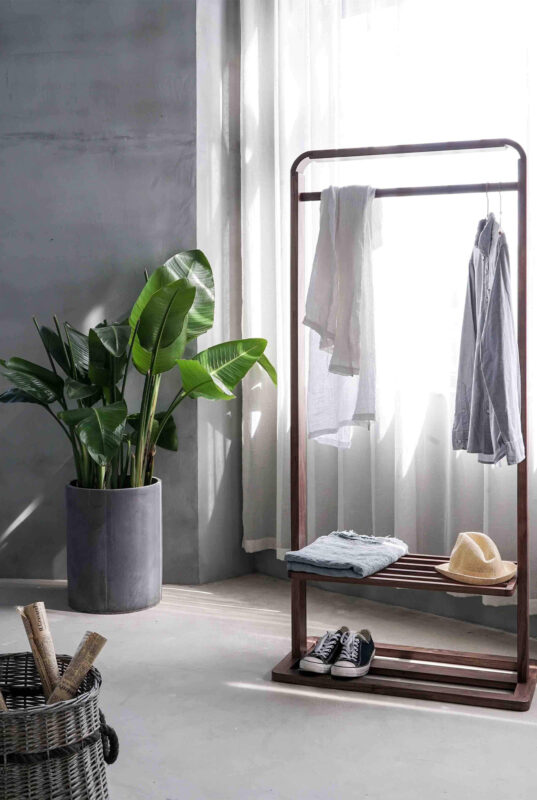
Air-drying remains the most sustainable option, using zero additional energy while preserving fabric structure. Set up a simple drying rack near a window or in a spare room. Sheets and lightweight throws dry within hours and can go straight from the rack to your sofa as fresh styling elements.
When you must use a dryer, select low heat and remove items while slightly damp. High heat breaks down natural fibers and sets wrinkles that require ironing to remove. That “almost dry” technique works particularly well for linen throws—hang them for the final drying stage to achieve that relaxed, lived-in texture that looks intentional rather than wrinkled.
Different materials require different care approaches. Organic cotton, now widely available and affordable, handles regular washing well but benefits from gentle cycles to maintain its structure. It’s an ideal choice for frequently used cushion covers and throws that need regular cleaning.
Linen and hemp are sustainability champions, requiring minimal water and pesticides to grow while lasting for decades with proper care. These fabrics actually improve with age, becoming softer and more comfortable over time. Wash them in cool water and embrace their natural texture rather than attempting to achieve perfect smoothness.
Bamboo and TENCEL (lyocell) offer breathability and moisture-wicking properties perfect for throws that might see summer and winter use. These materials need delicate handling—cold water, gentle cycles, and minimal agitation keep their fine fibers intact. Professional services like Dallas Commercial Laundry often handle specialty fabrics for businesses managing multiple properties or high-volume needs. Their techniques for maintaining textile quality at scale can inspire better home care routines.
Rotation prevents excessive wear on any single piece. Keep two sets of cushion covers and alternate them monthly. Store off-season throws properly—clean, completely dry, and in breathable cotton bags rather than plastic. This prevents mustiness and pest damage during storage months.
Small repairs made immediately prevent major damage. A loose seam fixed today won’t become a torn cushion cover tomorrow. Keep a basic sewing kit handy for quick fixes. Even simple hand-stitching can add years to a textile’s useful life.
Repurposing extends sustainability beyond basic care. That worn flat sheet becomes a lightweight summer throw. Old pillowcases transform into storage bags for seasonal cushions. A faded duvet cover gets new life as a washable slipcover for an ottoman. These creative reuses reduce waste while refreshing your space without new purchases.
Establishing a routine makes sustainable care automatic rather than aspirational. Schedule monthly textile audits—check for needed repairs, rotate pieces, and assess what needs washing. This prevents emergency washing marathons that waste resources and stress fabrics.
Keep your care supplies organized and accessible. Store eco-detergents, stain removers, and repair supplies together. When sustainable options are convenient, you’re more likely to use them consistently.
Track what works for your specific textiles and adjust accordingly. That vintage wool throw might thrive with quarterly gentle hand-washing, while machine-washable cotton covers handle weekly cycles without issue. Document care instructions for specialty pieces so anyone in your household can maintain them properly.
Sustainable textile care isn’t about perfection—it’s about making better choices consistently. Every cold-water wash, air-dry session, and mended seam contributes to a more sustainable home. Your living room can look fresh and inviting while treading lightly on the planet. The key lies in understanding your textiles, choosing appropriate care methods, and maintaining consistency in your approach.