Interior Remodeling: A Guide to a Successful Home Transformation
-
Posted by
The journey to transforming your home through interior remodeling …



The journey to transforming your home through interior remodeling …

What is bohemian interior design? We’ve all heard the Queen song …





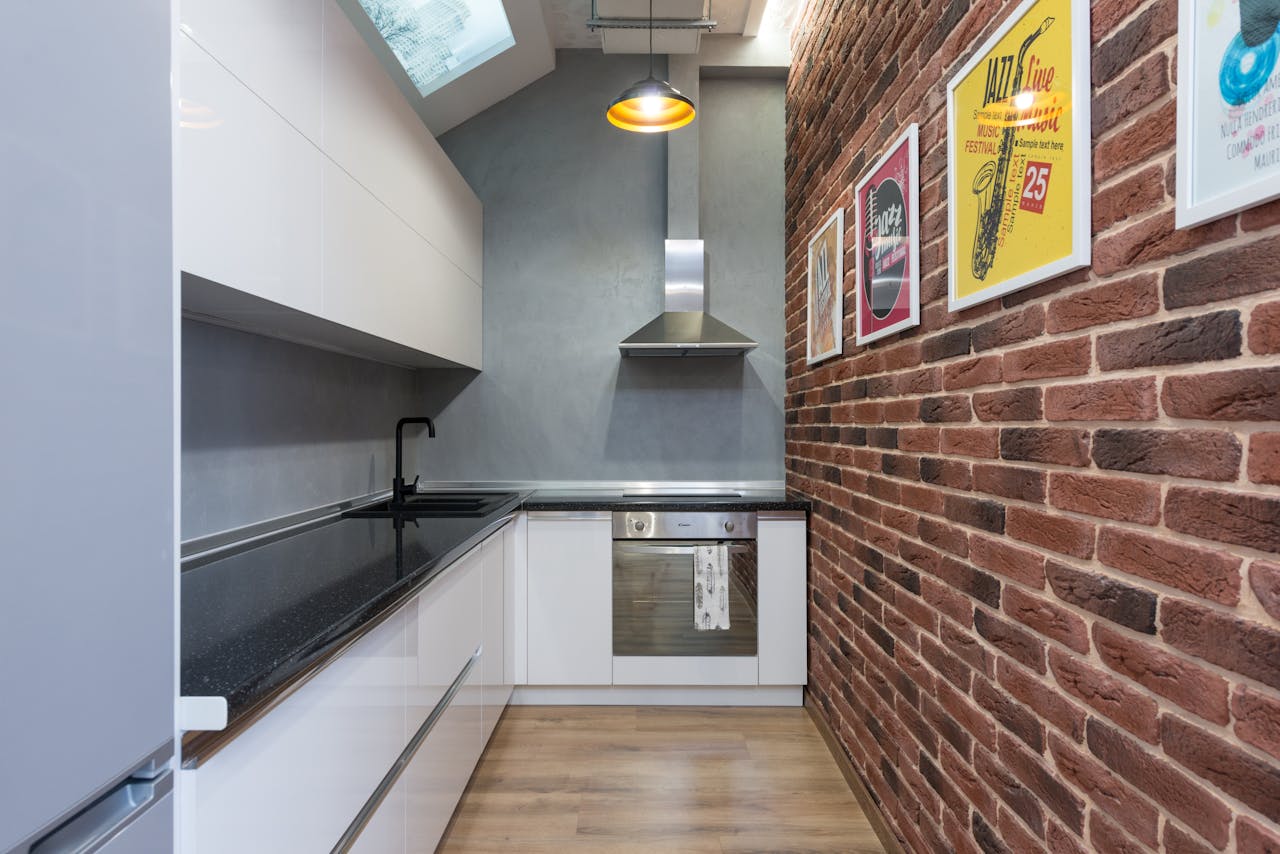

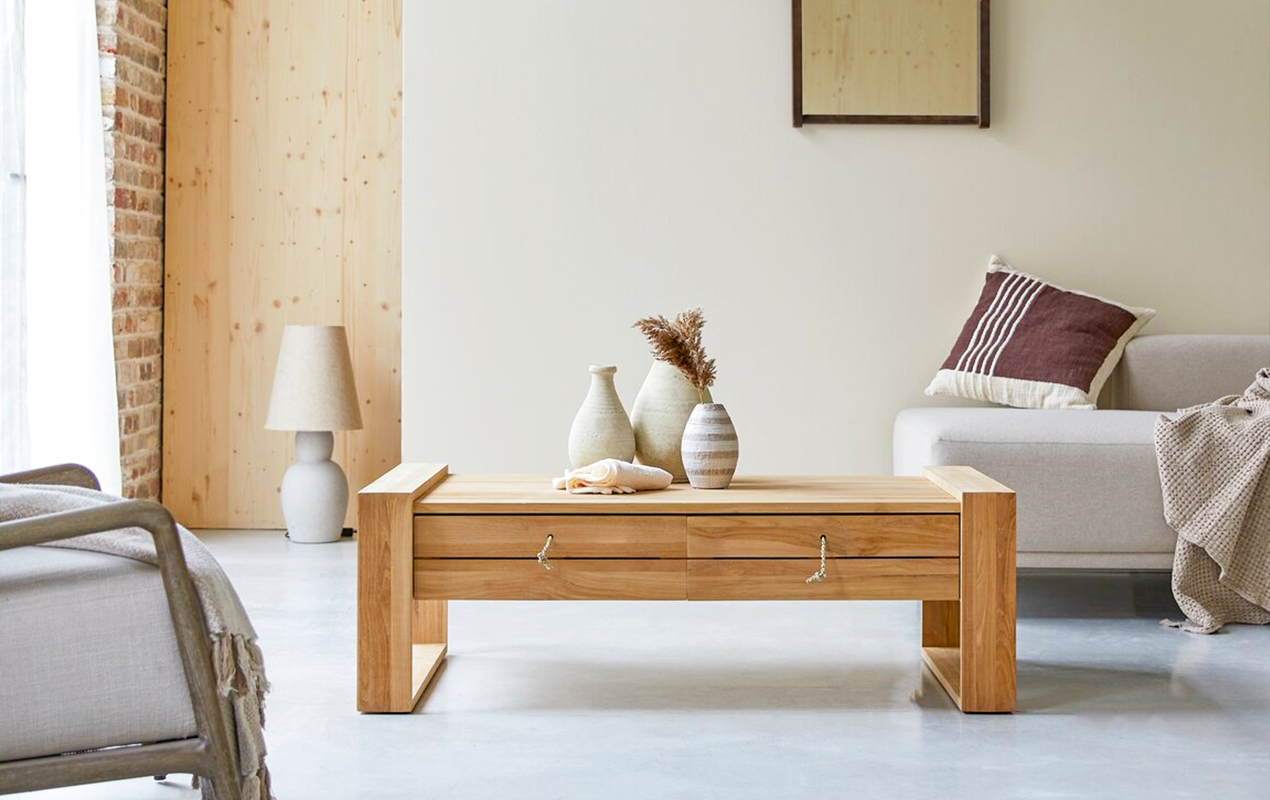

The day you receive the keys to a new apartment is exciting, but it can also feel overwhelming. In one moment, a pristine, empty space becomes the backdrop for your daily life, your routines, your rest, and your social time. The fastest way to turn that blank canvas into a livable home is to combine a smart week-one checklist with a well-chosen furniture package. Instead of juggling a hundred tiny decisions, you focus on what actually matters: comfort, function, and feeling at home.
Furniture packages are designed to compress months of furnishing into days, sometimes hours. They give you an instant baseline: a sofa that fits the room, a bed that’s ready on night one, and storage that actually works. Before you finalize your choices, it’s worth looking at curated options tailored to modern apartments; for example, you can review ready-made package configurations and pricing at furniture package to understand what’s included and how it all fits together. That way, the rest of your week-one planning becomes about optimizing, not scrambling.
Below is a practical, day-by-day style checklist for your first week after handover—structured to work perfectly alongside a furniture package. You can adapt the timing, but try to keep the sequence: safety and essentials first, then comfort, then personality and fine-tuning.
Before you even think about decor, confirm the basics that make the apartment safe and usable from day one.
Focus on:
If your furniture package includes delivery and assembly, confirm the exact time and access details on this day. Make sure movers know how to enter the building, where to park, and whether they need elevator booking or permission from building management.
Even with a furniture package, you’ll make better choices if you “walk the space” as if you already live there.
On this day:
Use painter’s tape or simple sketches to mark where large pieces will go: bed, wardrobe, sofa, dining table, TV unit. If your furniture package is customizable, this is the moment to adjust sizes or swap items before delivery. A few centimeters can make the difference between a cramped layout and an airy, comfortable one.
This is usually the most transformative day: your apartment stops looking like a construction set and starts looking like a home.
When the package arrives:
Once the furniture is assembled, test the core pieces immediately. Lie on the bed, sit on the sofa, pull out the drawers, open and close wardrobe doors. If something feels awkward or impractical, adjust now while rooms are still relatively empty.
Now that the major items are in place, shift your focus from “furnished” to “functional.” Start with the areas you’ll use the most: the bedroom, the living/work zone, and the entrance.
Bedroom
Living and work area
Entrance
Furniture packages often include wardrobes, sideboards, or shelving, but their true power is unlocked when you organize the inside thoughtfully.
Focus on:
The goal is not to organize perfectly, but to avoid “temporary” piles that become permanent. A clear storage logic makes your apartment feel calm and reduces decision fatigue.
By now, the place is functional, but it may still feel a bit empty or echoey. Time to add the layers that make it cozy.
Consider:
These details are where your furniture package and your personal taste meet. The package gives structure; textiles and lighting add character.
Your apartment is now furnished, organized, and comfortable—time to make it unmistakably yours.
Finally, think ahead. Is there a spot where a future desk, baby crib, or extra storage could go? Is your current layout flexible enough to adapt if your lifestyle changes? A good furniture package gives you a strong base, but a great setup stays adaptable.
Without a plan, it’s easy to live in a “half-moved” state for months: unpacked boxes, missing curtains, a mattress on the floor. A week-one checklist, especially when combined with a ready-made furniture package, compresses the entire transition from handover to home into a manageable, structured process.
You’re not aiming for perfection in seven days. You’re aiming for a home that is:
From there, you can refine, upgrade, and decorate at your own pace—knowing that the hardest part is already done.