Choosing the Right HVAC Setup for Your Home
-
Posted by
Creating a comfortable living space depends greatly on having the right hea...


If you have been following construction trends over the past decade, you probably noticed something subtle but important: walls, facades, and building exteriors are no longer just “functional.” They have become statements. And when it comes to modern cladding, aluminum has quietly taken the lead.
The market for cladding panels has shifted dramatically. Traditional materials; wood, brick, composite boards, still exist. They still have fans. But the scale and speed at which aluminum cladding is now dominating the market signals something bigger than a design trend. It signals a practical revolution.
For years, architects and builders experimented. Painted facades. Timber exteriors. Fiber cement boards. Each had its moment in the spotlight, each came with compromises.
Paint fades. Wood warps. Fiber cement can crack under stress. Replacement cycles, maintenance, and labor costs quietly piled up, year after year.
Aluminum, on the other hand, offered stability. It does not rot. It does not absorb moisture. It does not attract termites. UV resistant finishes keep the color consistent. Lightweight sheets simplify installation. Fire-resistant coatings tick regulatory boxes. And the aesthetic possibilities—from metallic sheens to wood grain imitation—give architects freedom without compromise.
In short: the market shifted not because aluminum is trendy, but because it solves long-term problems better than almost anything else.
Globally, the aluminum cladding panels sector has grown steadily. Residential, commercial, and industrial projects increasingly favor metal panels over wood or composite alternatives.
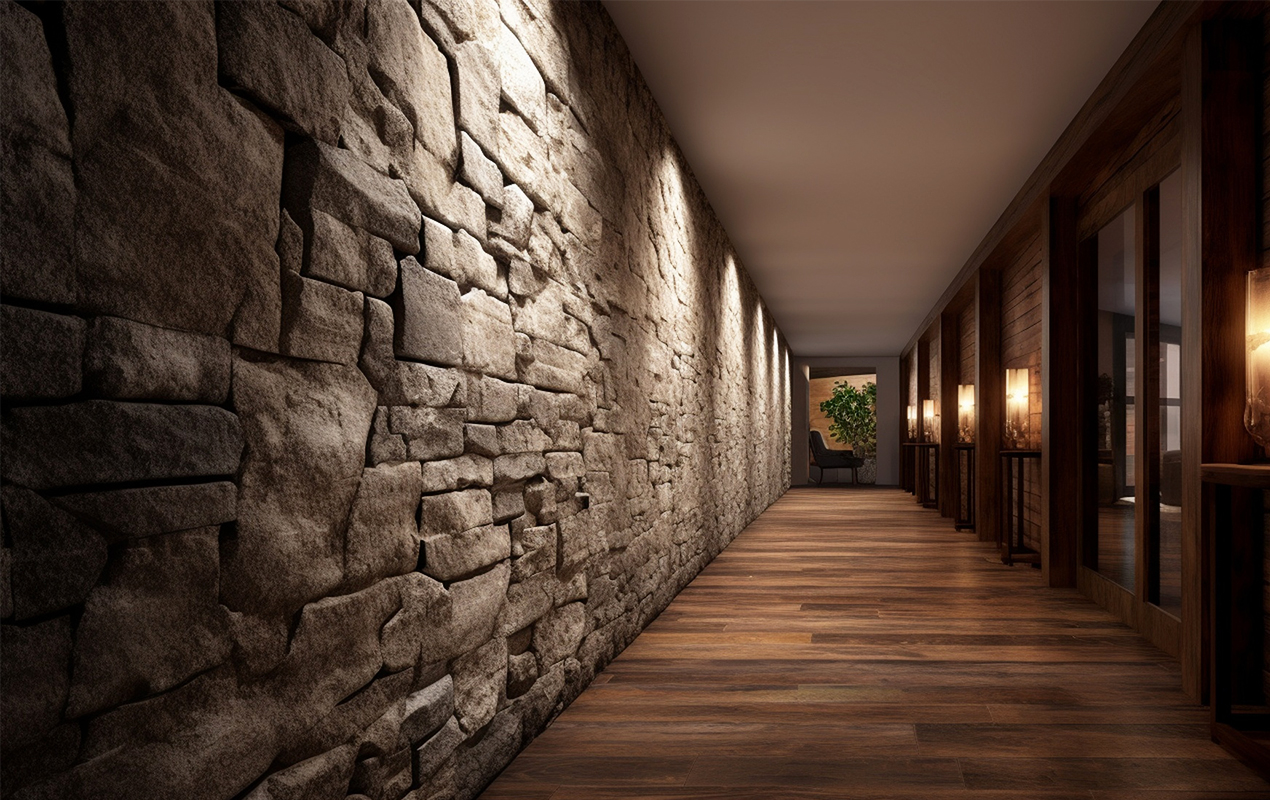
The result is that what was once a niche product for modernist architecture is now mainstream. Even projects that traditionally relied on concrete or masonry are incorporating aluminum for accent facades, cladding panels, and interior feature walls.
If you are deciding what material to specify or invest in, here’s why aluminum cladding often rises to the top:
Aluminum handles weather, temperature fluctuations, and UV exposure far better than wood or composites. That means less worry about cracks, swelling, or fading. The look you design today is the look that lasts decades.
A rinse and occasional mild cleaning are usually enough. No sanding. No sealing. No repainting. This alone saves time, effort, and cost over a building’s lifetime.
Modern building codes increasingly demand fire-resistant materials. Aluminum is non-combustible and can be coated to meet strict safety standards, making it a safer long-term investment than timber or composite boards.
Lightweight panels simplify logistics and reduce labor costs. Heavy stone or concrete cladding requires reinforced structures, cranes, and longer timelines. Aluminum moves fast without sacrificing strength or aesthetics.
While the initial manufacturing requires energy, aluminum is fully recyclable. Longer lifespan, lower maintenance, and recyclability make it a material that aligns with sustainable construction practices.
Across sectors, the market signal is clear: aluminum cladding is no longer an “alternative.” It is often the first choice for projects that balance aesthetics, longevity, and practicality.
Durability, low maintenance, design flexibility, fire resistance, and lightweight installation have made aluminum the preferred choice over wood, composite, and concrete panels.
Initial costs may be higher than wood or basic paint, but long-term savings from minimal maintenance and longevity often offset upfront investment.
Yes. Aluminum performs reliably in coastal, humid, sunny, and cold environments when coated properly, making it suitable for almost any project.