The Cost of a Blocked Toilet Gone Wrong—And How to Avoid It
-
Posted by
Blocked toilets are a common yet frustrating household issue that can quick...



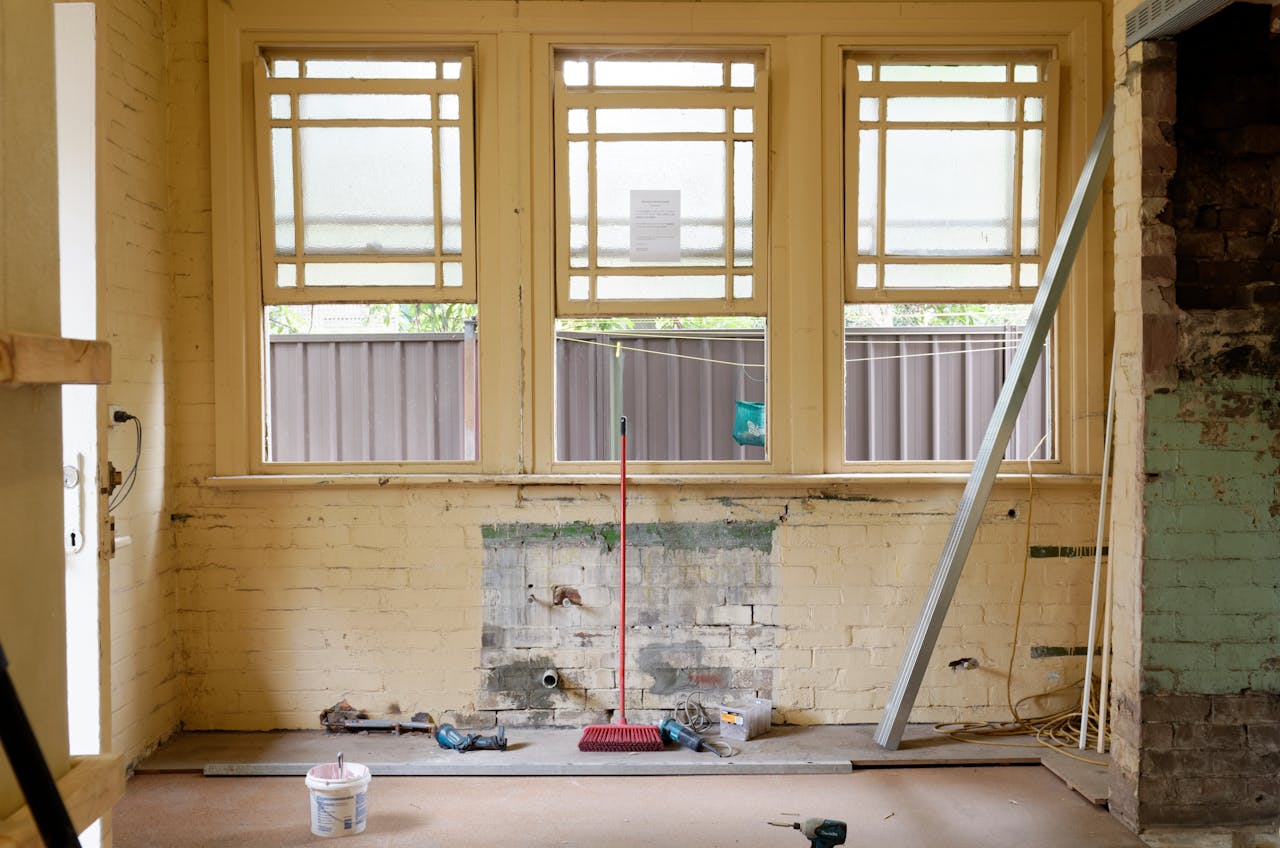

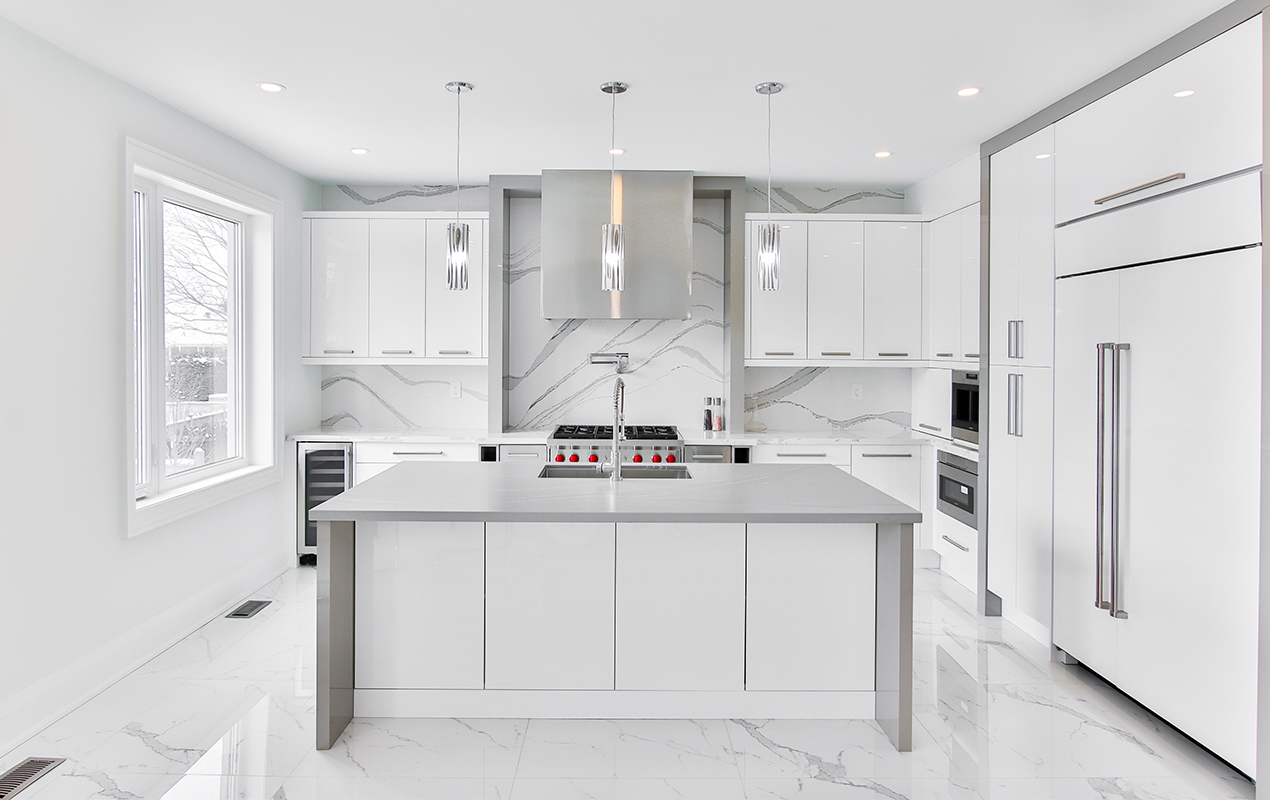




There’s no better time to re-decorate and rejuvenate your …



Selling your first home can feel like a lot all at once: pricing, prep, showings, and timing. A steady plan can turn a big project into clear steps you can follow. Here, you will learn how to read the market, set the right price, prep for photos and showings, and compare offers beyond the headline number.
Image source: https://pixabay.com/illustrations/residence-rent-housing-online-3663528/
Before you list, zoom out and study pace. Days on market, new listings, and price cuts shape your strategy. A slower market calls for extra patience and stronger fundamentals.
Recent data shows supply has grown in many areas, while homes are taking longer to sell. The inventory has climbed, and the typical listing spent more time on the market compared with last year. That shift means first-time sellers should plan for a longer runway and focus on clean pricing and standout presentation.
Sometimes speed and simplicity are the goal. If you need to sell a mobile home as-is, you can skip repairs and the traditional listing process. As you can see at coastalnccashoffer.com, buyers let you explore a direct sale for cash, without showings, agents, or long timelines. You’ll trade a bit of price for a lot of certainty and a quick close, which can be the right move when time is tight.
Get your facts together before you start. Have the title, VIN, park approval details, and lot lease terms ready. Know that having clear documentation at hand makes a fast sale faster.
Think ahead about where you will live next, how you will finance it, and who will help you move. If you will buy and sell at the same time, speak with your lender early about bridging options or rent-backs so you are not rushed into a poor decision.
Ownership length matters, too. An NAR profile reported that recent sellers owned their homes for a median of 11 years, which translates to solid equity and more choices when timing the sale. If you have a decade of equity, you can fund repairs, offer credits, or cover overlap costs without upending your budget.
Pricing is your loudest signal to buyers. Study comparable sales within the last 60 to 90 days, adjust for condition, updates, lot, and school zone. Round to price tiers buyers search, like $399,000 or $425,000, instead of oddball numbers that bury your listing.
Watch the first 10 to 14 days closely. If you get many showings but no offers, your photos or price need attention. If you get a few showings, the price is likely high. A fast, small adjustment is better than a stale listing that invites bigger cuts later.
Declutter to half of what you think is reasonable, and half it again. Deep clean kitchens and baths, brighten lighting, and fix the obvious stuff like leaky faucets and sticky doors.
Small, focused updates beat large renovations right before a sale. Paint in light neutral tones, refresh cabinet hardware, and add fresh mulch and simple plants by the entry. Staging can be DIY if your furnishings are modern and scaled to the room. If not, partial staging can highlight key spaces without blowing the budget.
Plan for prep costs, staging, professional photos, commissions, transfer taxes, and closing fees. Add moving costs, temporary housing, and utility overlaps if you are changing homes.
Closing fees can surprise first-time sellers. A consumer guide explains that typical buyer closing costs run about 2% to 5% of the loan amount, and sellers have their own line items like transfer taxes, title work, and concessions. Build a simple net sheet that tests 3 scenarios (optimistic, likely, and conservative), so you understand your floor.
Make your home easy to see. Approve common showing windows, use a smart lockbox, and keep the place showing-ready with a daily 15-minute tidy. Leave during showings so buyers feel comfortable exploring.
When offers come in, compare more than just price. Look at financing type, lender reputation, appraisal gaps, inspection terms, and closing date. Counter cleanly and once if you can. Aim for clarity over cleverness: spell out inclusions, deadlines, and how disputes will be handled so everyone stays on track.
Selling your first home is a project. Set a smart price, prep with purpose, and stay flexible on timeline. Keep your eyes on the calendar and your net sheet, and you will land the deal that fits your next chapter.