5 Types of Made-to-Measure Curtains Best for a Living Room
-
Posted by
Made-to-measure curtains are an easy way to give your space a tailored fini...










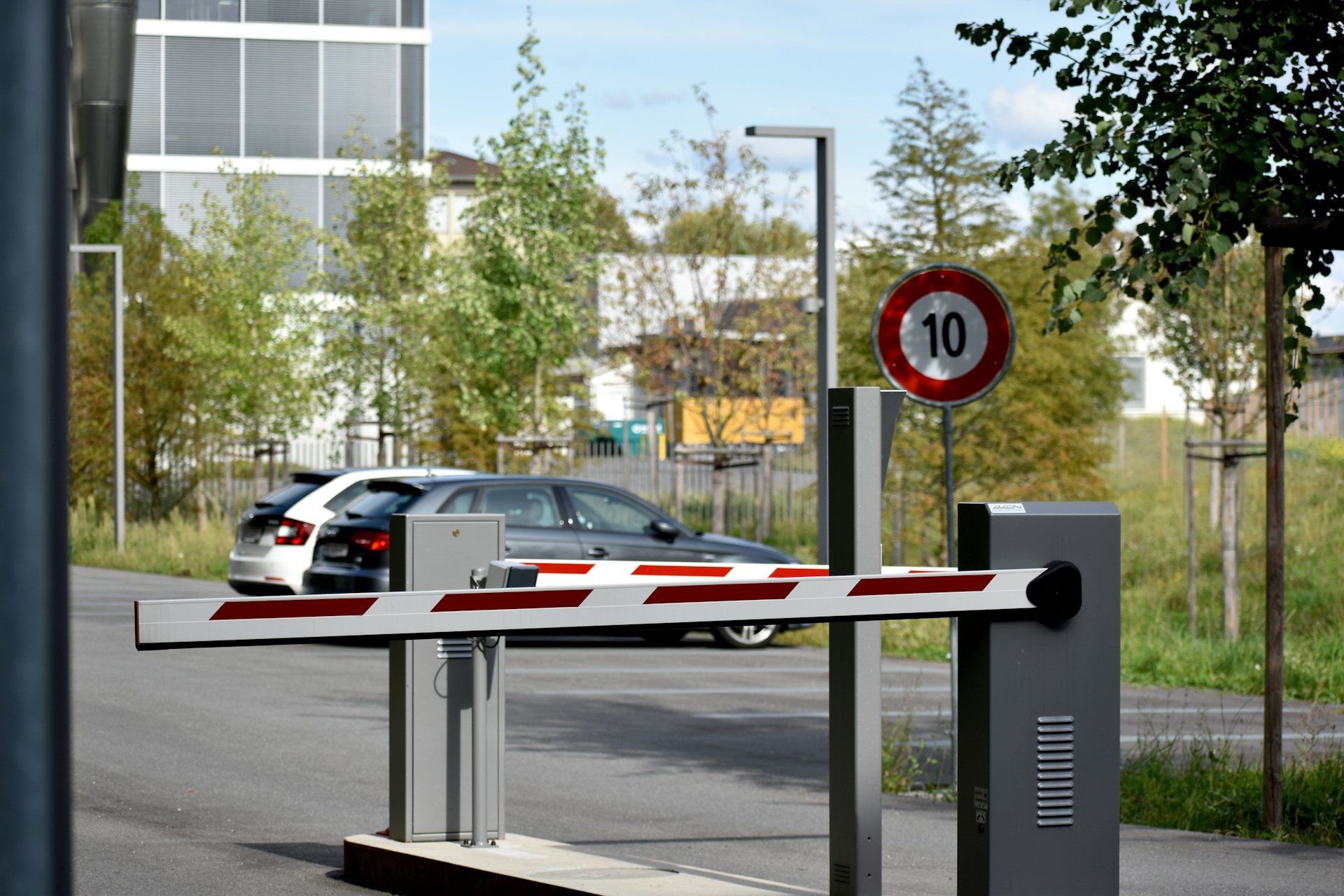
Modern properties need controlled access that is smart, safe, and reliable. Automatic security gates solve that need while adding curb appeal and peace of mind. Still, the hardest part is not choosing a style or motor type. It is finding an installer you can trust.
This guide breaks down six practical ways to identify proven providers. You will learn how to read real signals of quality, avoid common pitfalls, and compare options with confidence. Use these steps to move from guesswork to a short list that fits your site, budget, and risk profile.
Start by checking how long a provider has specialised in automatic gate repairs, as experience with these systems often determines how accurately issues are diagnosed and resolved. Look for a clear track record with commercial, industrial, and residential sites. A team that installs across sectors usually understands different access patterns, safety zones, and compliance duties.
Ask about projects that match your use case. For example, multi-tenant car parks need loop detectors and traffic logic that differ from those of a private driveway. A provider that can explain these differences without jargon is more likely to deliver a stable system.
Look for signs of staying power. A recent industry review noted steady growth for gate openers through 2032, suggesting a maturing field where seasoned installers continue to refine best practices. That kind of market context supports choosing companies that have evolved with the technology rather than chasing a trend.
Reputation is built locally. Ask nearby facility managers which installers show up on time, document work, and stand by their fixes. One detailed review from a comparable site is worth more than a dozen generic testimonials.
Gather two or three like-for-like quotes. Reputable installers such as BETA DOORS usually provide itemised pricing that lists motors, controls, safety gear, and civil works. Read beyond the total to see what is included and what sits in the exclusions.
Look for clarity on trenching, power supply, and access control licenses. Surprises often hide in those lines. A transparent quote lets you compare value instead of chasing the lowest upfront number.
Safety is not optional with moving gates. Ask how the provider designs for entrapment prevention, controlled force, and safe stopping distances. Request a simple explanation of how photocells, edges, and loop detectors work together.
Expect the installer to reference current Australian Standards in plain language. They should describe how risk assessments feed into layout and component choice. Clear documentation shows they plan safety from the start, not as an add-on.
Use a quick checklist during your first call:
Great installers think beyond the first day of operation. Ask which motor brands, control boards, and access devices they trust and why. The best providers standardise on proven ecosystems, so spare parts and firmware support are straightforward.
You want modularity. If a card reader fails, you should not need a whole control panel swap. A provider who designs with replaceable parts and clear wiring diagrams makes future service faster and cheaper.
Confirm how they handle obsolescence. Do they track end-of-life notices, and can they migrate you to compatible boards without a full rip and replace? The answer will reveal if they build for a 10-year lifespan or a 2-year quick fix.
Downtime costs money and patience. Before signing, ask for written targets for fault response, on-site attendance, and average repair closure. The numbers should be specific and measurable, not vague promises.
Maintenance is your insurance policy. A strong provider offers tiered plans that match your risk. High traffic sites may need quarterly checks with force testing, battery swaps, and software updates. Light residential use might be fine with a lighter schedule.
Make sure the same team that installs will maintain. Technicians who know your site layout and wiring logic solve issues faster. If they outsource service, ask who holds liability, parts stock, and records for your gate.
Access control is now software-driven. Ask how the provider integrates remotes, keypads, license plate recognition, and cloud platforms. They should explain how credentials are issued, revoked, and audited without exposing your network.
Request a demo of their configuration process. A clean interface and clear naming rules reduce mistakes when you add users or zones. If they manage settings via undocumented laptop tools, you may be locked into one technician forever.
Security is more than a password. Confirm how they handle firmware updates, encrypted transmitters, and event logs. Good providers bake in cyber hygiene, so your gate is not the weakest link on site.
Finding the right installer is a process, not a guess. Use the six checks above to filter noise and build a shortlist that fits your needs. Take time to compare safety expertise, service depth, and clarity of documentation.
When you choose, look for a partner who designs for the full lifecycle. That mindset protects people, reduces downtime, and keeps your access smooth. With a structured approach, your automatic security gate becomes a long-term asset rather than a recurring headache.