Interior Design Mistakes That Can Sabotage a Chic Home
-
Posted by
Decorating a new home or refurbishing an old one can be an …


Decorating a new home or refurbishing an old one can be an …


So recently you’ve been cooking up plans to revamp your kitchen …

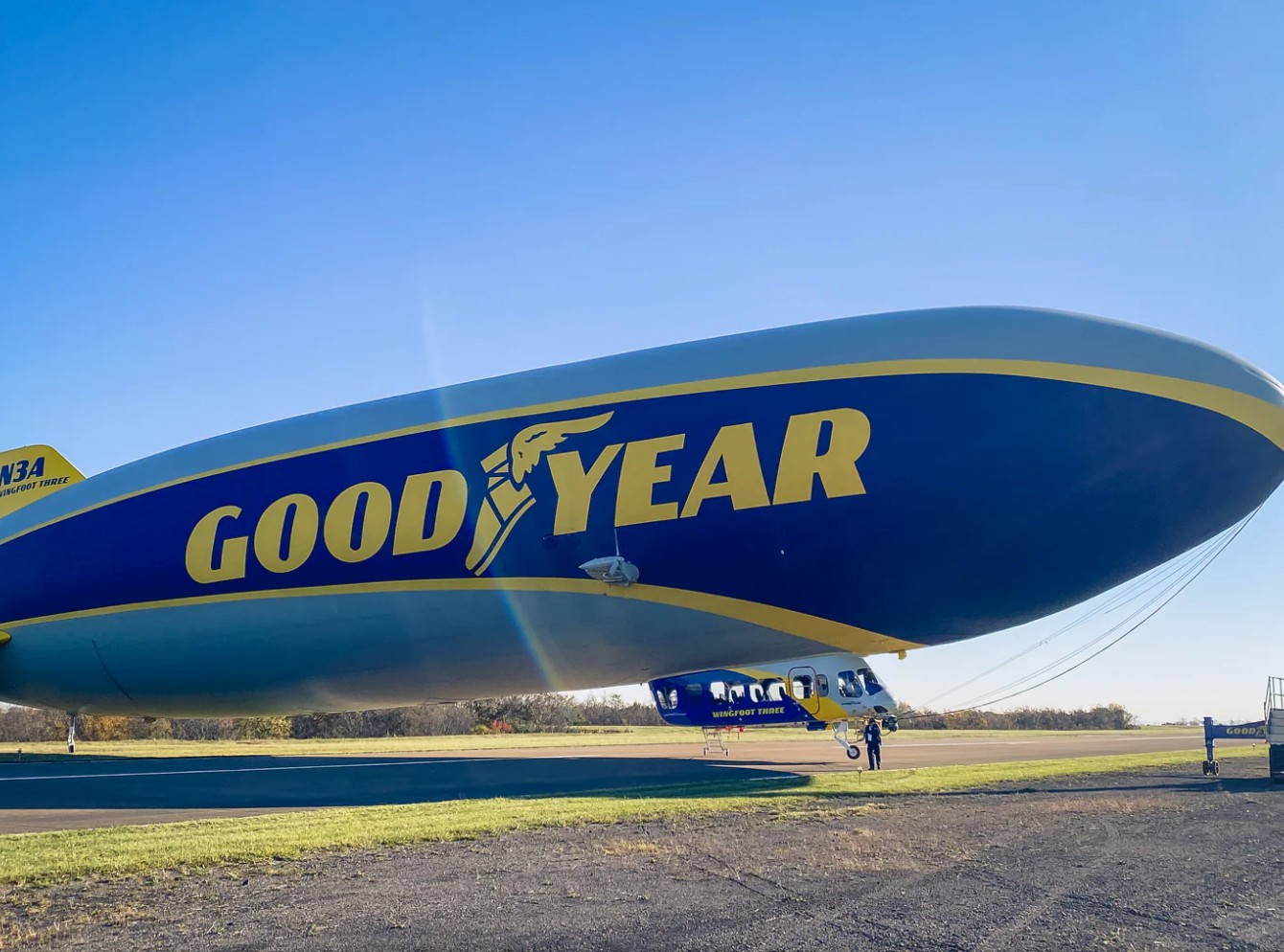
Picking the right size for your advertising blimp depends on where you plan to use it. Urban areas need different considerations than rural locations due to space limits, visibility distances, and crowd density.
In urban settings, 13-15 foot blimps work best because they fit in tight spaces and comply with height restrictions, while rural areas benefit from 20-30 foot blimps that can be seen from miles away on open roads and highways.
The difference between city and country advertising comes down to visibility range and physical space. Cities have tall buildings, overhead wires, and zoning rules that restrict how large your display can be. However, you get more foot traffic and closer viewing distances.
Rural locations offer open skies and fewer obstacles, but you need larger displays to catch the attention of drivers on distant highways. Choosing the right scale for your environment ensures that eye-catching advertising blimps grab attention effectively, whether navigating the visual clutter of a city or standing out across open rural landscapes.
Your business type also plays a role in size selection. A downtown retail store benefits from a compact 13-foot blimp that hovers above the storefront without blocking views or violating city codes.
Meanwhile, a car dealership along a rural highway needs a 25-foot blimp to draw in drivers from a mile or more away. Both approaches deliver results as long as you choose the right scale for your environment.
Urban areas demand taller blimps that rise above buildings and compete with visual clutter, while rural spaces allow smaller options to stand out against open skies. The population density, viewing distance, and physical obstacles in each environment determine which inflatable blimp size delivers the best return.
Cities present unique challenges for inflatable advertising. Tall buildings block sightlines and create wind tunnels that affect blimp stability. You need to position your advertising blimps high enough to clear rooftops and attract attention from pedestrians and drivers alike. The average city block contains dozens of competing signs, billboards, and digital displays that fight for attention.
Rural environments offer fewer obstacles but require different strategies. Your audience spreads across larger distances, which means visibility from far away becomes more important than competing with nearby distractions. Open fields and highways provide clear sightlines, but you must account for vast spaces between potential viewers.
Population density affects how you use inflatable blimps. A single city intersection might expose your brand to thousands of people per hour. Rural locations require placement near major roads, festivals, or community events where people gather. However, rural audiences often remember advertisements better because they see fewer marketing messages daily.
For downtown areas and busy streets, you should choose blimps between 20 and 30 feet long. These larger advertising blimps float high enough to clear three-story buildings and remain visible from several blocks away. A 25-foot blimp can be seen from up to three miles, which covers significant urban territory.
Indoor city events like conventions, trade shows, or arena sports need smaller 6 to 11-foot blimps. These fit through standard doorways and float at appropriate heights inside venues with 15 to 30-foot ceilings. You can also use remote-controlled models that move around indoor spaces to attract attention.
Best urban blimp sizes:
High-rise areas require additional height considerations. You must check local regulations because many cities restrict aerial advertising near airports or above certain heights. Most urban ordinances limit tethered inflatables to 50-100 feet above ground level.
Rural advertising works well with 15 to 25-foot inflatable blimps. These sizes provide excellent visibility across open spaces without the extra cost of larger models. A 20-foot blimp placed near a highway or at a farm stand attracts drivers from a mile away or more.
For county fairs, outdoor markets, and agricultural events, 15-foot advertising blimps offer the right balance. They’re large enough to see from across fairgrounds but manageable for you to transport and set up without professional help. The reduced wind interference in many rural areas means these mid-size options stay stable even in moderate breezes.
Small-town storefronts benefit from 11 to 15-foot blimps. Main streets in rural communities have fewer competing advertisements, so a modest-size inflatable blimp still captures attention effectively. You’ll save on helium costs while achieving your visibility goals.
Consider your venue type and surroundings. Open fields and farms allow smaller 13-foot options to shine, while highway-adjacent locations demand 20-foot or larger inflatables. The lack of tall structures means you don’t need to fly your blimp as high, but the extended viewing distances require adequate size for recognition.
The visual impact and structural design of your inflatable blimp shape how audiences respond to your message. Your choice of features, materials, and customization directly affects visibility and campaign success.
Your brand identity requires a design that matches your specific audience and location. Urban campaigns benefit from bold colors and sharp graphics that cut through visual noise. Rural areas allow for more detailed designs since viewers have more time to process the information.
You can add logos, text, and unique shapes to create a memorable brand presence. A shoe company might select a giant sneaker shape, while a restaurant could choose a blimp shaped like their signature dish. The design flexibility lets you match your exact marketing goals.
Size restrictions vary between settings. Urban locations often have building height limits and airspace regulations that affect your design choices. Rural areas typically offer more freedom for larger, more complex shapes.
Custom colors help your blimp stand out. You should match your brand’s color palette while also selecting shades that contrast with the typical environment. Bright colors work well in both settings but serve different purposes—they grab quick attention in cities and remain visible from greater distances in open spaces.
LED technology transforms your blimp into a 24-hour advertisement. These lights make your message visible after sunset, which extends your advertising hours significantly. Urban areas benefit most from this feature because city crowds remain active during evening hours.
The brightness level matters for different locations. Cities require brighter LEDs to compete with streetlights and building illumination. Rural areas need less intensity but still maintain visibility in darker environments.
You can program LEDs to display different colors or patterns. This creates movement that attracts more attention than static displays. Some custom inflatable advertising blimps offer programmable LED systems that change messages throughout the day.
Power requirements affect your setup process. Battery-powered systems work well for temporary events, while tethered blimps in permanent locations can use direct power connections. Solar panels offer an option for rural areas where power access might be limited.
Polyurethane offers superior helium retention compared to PVC alternatives. This material keeps your blimp inflated longer and reduces maintenance costs. The difference becomes significant for long-term campaigns where you need consistent visibility.
Urban environments expose blimps to more pollutants and temperature changes. You need materials that resist UV damage and maintain color vibrancy despite air quality issues. Thicker material weights provide better wind resistance near tall buildings.
Rural settings present different challenges. Extreme weather conditions and temperature swings require materials that remain flexible in cold weather and resist degradation in intense sunlight. Birds and other wildlife might also interact with your display, so tear-resistant materials prove valuable.
Seam quality determines how long your blimp lasts. Double-stitched or welded seams prevent air leaks better than single-stitch construction. This becomes important for blimps that stay inflated for weeks or months at a time.
The right blimp size depends on where you plan to advertise. In urban areas, smaller blimps between 7 to 13 feet work best because they fit tight spaces and avoid strict city regulations. For rural locations, larger blimps from 20 to 30 feet deliver better results since they need to be visible across open spaces and longer distances.
Your choice should match your goals and budget. A smaller blimp costs less and works well for storefronts or local events in cities. However, a larger blimp makes more sense for highways, festivals, or outdoor venues in less crowded areas. Consider your venue, your audience, and how far you need your message to travel before you make a decision.