5 Types of Made-to-Measure Curtains Best for a Living Room
-
Posted by
Made-to-measure curtains are an easy way to give your space a tailored fini...



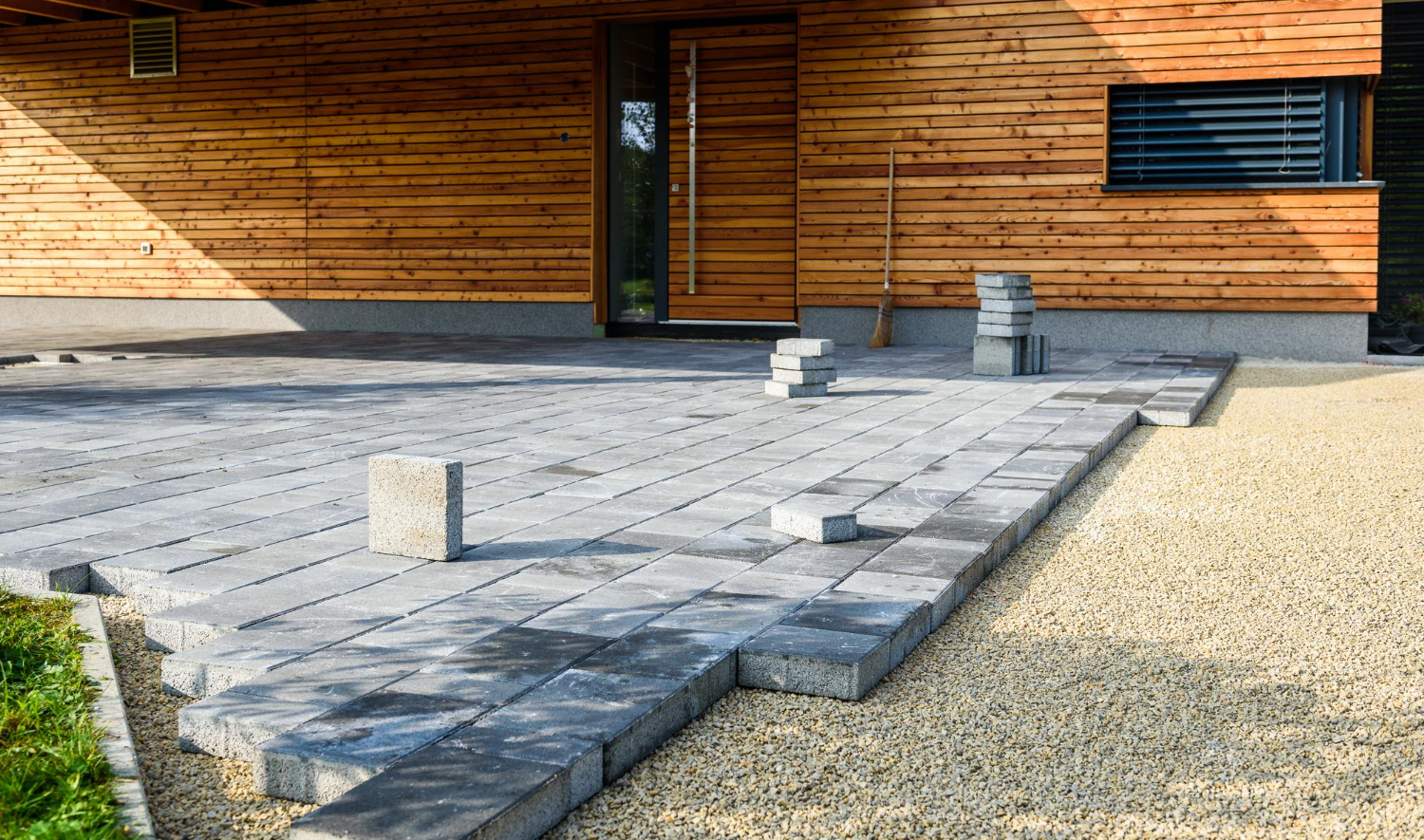
Outdoor living spaces have become true living zones, shaped as much by daily habits as by visual appeal. They host quiet mornings, weekend gatherings, and everything in between. Getting the foundation right matters because surfaces influence how a space feels and how long it lasts.
Within modern landscape design, concrete pavers have earned attention for balancing clean structure with understated character. Chosen thoughtfully, they support movement, frame key areas, and lend outdoor settings a sense of order that never feels forced.
In outdoor construction, longevity is never an afterthought. Surfaces must cope with constant foot traffic, shifting temperatures, and seasonal downpours without losing their shape or charm. Individual pavers are engineered to spread load evenly, which reduces stress points and helps prevent cracking over time. This makes them a dependable choice for patios, walkways, courtyards, and pool surrounds where failure quickly becomes visible.
There is also a practical advantage when repairs are unavoidable. If one section chips or stains, it can be lifted and replaced without disturbing the surrounding surface. That flexibility saves time and avoids the expense of large-scale repairs. Over years of use, this efficiency becomes one of the strongest arguments for choosing a segmented surface rather than a single poured slab.
Durability alone does not explain their popularity. Visual flexibility plays an equally important role. Pavers are produced in a wide range of sizes, tones, and surface textures, which opens the door to creative layouts. Subtle colour variations can echo nearby planting, while sharper contrasts introduce definition and rhythm across open areas.
Surface finish further shapes the mood of a space. Lightly textured faces add grip and a relaxed, natural feel underfoot. Smoother finishes lean toward a more refined look, well suited to contemporary homes. Pattern selection also matters. Herringbone, stack bond, and offset arrangements influence how the eye moves, quietly guiding attention and reinforcing structure without shouting for it.
Successful outdoor spaces feel intuitive. People should know where to walk, where to sit, and where to gather without being told. Defined paving zones help achieve this. Changes in pattern or layout can signal transitions between dining areas, lounge spaces, and connecting paths, all while keeping the area visually open.
This works particularly well in open landscapes where walls would feel heavy-handed. A paved entertaining area can flow naturally into garden beds or lawn, creating a clear purpose without visual clutter. When combined with materials such as timber decking or stone accents, the result gains depth and texture, making movement through the space feel natural rather than choreographed.
Ease of care is often what turns a good design into a lasting one. Outdoor surfaces that demand constant attention rarely hold their appeal. Well-installed pavers form tight joints that discourage weed growth and allow water to drain effectively, reducing surface wear.
Routine upkeep is straightforward. Regular sweeping and occasional washing usually keep the surface looking fresh. In areas that see heavier use, resealing from time to time helps maintain colour and protect against staining. The payoff is a surface that matures well, developing character rather than deterioration.
Outdoor design succeeds when all elements work together. Paving provides a visual anchor that ties planting, furniture, and architectural features into a coherent whole. Clear lines bring order to open spaces, while thoughtful patterns introduce personality without overwhelming the setting.
Be it shaping a calm poolside retreat or a welcoming courtyard, this type of surface supports both function and atmosphere. It holds its form, complements surrounding materials, and continues to perform long after trends fade. When structure and style are aligned, outdoor spaces become easier to use, more enjoyable to occupy, and better equipped to stand the test of time. It also allows future adjustments as lifestyles change, ensuring the space remains relevant, functional, and visually balanced year after year.