Transforming Homes with Inspired Design and Remodeling Expertise
-
Posted by
Home remodeling is more than just upgrading a house - it’s about transformi...




9 Tips for Your A-Frame Interior Design An A-frame home …


A farmhouse coffee table is among the foremost home decor choices due to its …




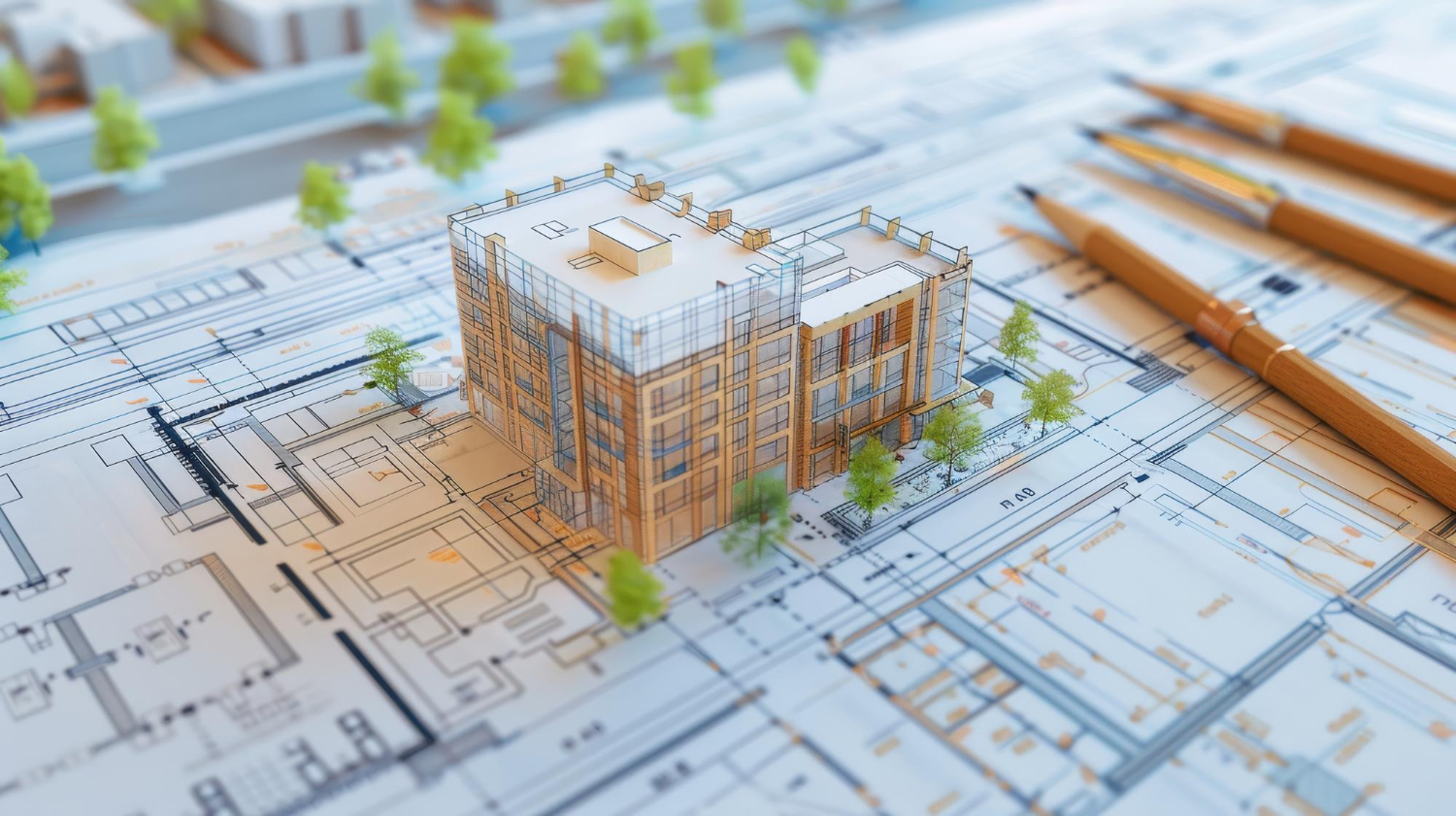
Suppose you are sitting at the table, having a set of construction drawings on it. The deadline is near, and you are confused about the accuracy and precision of illustrations. Pressure is increasing, and nothing works.
Well, that’s why smart contractors are leaning harder on construction estimators and CAD drafters this year. In 2025, the stakes are higher, mistakes cost more, and the ones who win understand the tech and the craft.
Let’s dig into what that looks like and what you should be doing.
Here are some key numbers to give you the context:
| Data Point | 2025 Insight |
| Global market size for construction estimation services (est.) | ~ USD 4.5 billion in 2023, projected to grow strongly. |
| Construction bid activity increases in the U.S. | +7% year-over-year for new bids. |
| Labor shortage in the construction industry | Average of ~382,000 job openings monthly in the US (Aug 2023–Jul 2024) — especially affecting estimators. |
It means demand is up, resources are stretched, and accuracy matters even more than before.
When I say estimator, I don’t mean someone who throws numbers together quickly. I mean someone who serves as the bridge between design, cost, and buildability. Here’s what the best ones bring:
Tools like Bluebeam, PlanSwift, and Trimble, integrated with cost databases. These reduce manual errors.
Whether it’s sitework, MEP, or structural, the estimator must know typical productivity, local labor/ material rates, and codes.
Not just “how much will it cost no,w” but “what variables could change it?” Estimators now use predictive analytics and real-time data.
Detailed breakdowns–material, labor, equipment, mark-ups. The contractor should walk away with a bid they feel confident submitting.
Your estimator can only be as accurate as the drawings allow them to be. You’re already at a disadvantage if the CAD data is sloppy, outdated, or missing layers.
Reliable CAD drafters provide:
AutoCAD, Revit, Civil 3D formats, clean layers per trade.
The drawing data should plug directly into takeoff tools; less time „reading the drawing”, more time quoting.
2025 projects move fast, plans change. Drafting teams that offer cloud versioning and collaborative tools save time.
Valuable drafters don’t just draw; they flag issues that might affect cost or schedule (which your estimator will love).
When a CAD drafting service provider and your estimator sync well, you’re not working for each other; you’re working with each other.
Here’s what a streamlined workflow might look like:
The CAD team drafts schematic drawings, layered and clean.
The construction estimator pulls quantities from the CAD file (instead of manual measurements).
Estimator applies live pricing databases + regional labor data.
The finalized estimate is clear, defensible, and built from solid data.
When work starts, tracking actuals vs. estimates becomes easier if everything was modeled well.
Here’s a quick checklist you can use when you’re vetting:
Professional estimators rely on cloud-based systems. They combine AI-driven budget insights and real-time material rates APIs. Tools help contractors and estimators stay up to date with the market trends by automating quantity takeoffs, compliant with CAD drawings.
To streamline workflow and avoid conflicts, CAD drafters create models using Revit and join it with the BIM tool. This ensures all have the same version of the model, working on the same phase of construction, and nothing is confusing, ultimately ensuring precision and accuracy in design and estimates.
Construction estimators also use project management tools to ensure the report is delivered on time. They use open-format exports (CSV, XML, or API integration) to sync with tools, ensuring everything is going as planned, eliminating the chances of cost and time overruns.
You’re juggling enough already: crews, permits, deadlines, change orders. You don’t need estimates and drafts that add more stress. What you need is precision, clarity, responsiveness, and a team behind you that understands cost and construction.
By smartly leveraging construction estimating services and CAD drafting this year, you give yourself an advantage: faster bids, fewer surprises, better margins.
In 2025, the market’s moving fast. Don’t let outdated workflows slow you down!
A 2025 benchmark study shows professional construction estimating companies maintain accuracy within ±2–3%, while in-house manual estimates often vary ±8–10% depending on project complexity. This accuracy difference can save contractors tens of thousands on mid-size bids.
Top drafting firms offer shop drawings, fabrication details, and as-built documentation in addition to standard plans. This ensures that every drawing is build-ready and compliant with local code and fabrication standards.
They perform scope gap analysis, comparing design intent, specifications, and trades to ensure all costs are covered. They also run what-if pricing simulations, testing how material inflation or labor delays might affect total cost so that contractors can adjust bids before submission.