7 Reasons a Stretch Tent Is Perfect for Any Outdoor Occasion
-
Posted by
Did you know that one well-chosen tent can completely change the atmosphere...


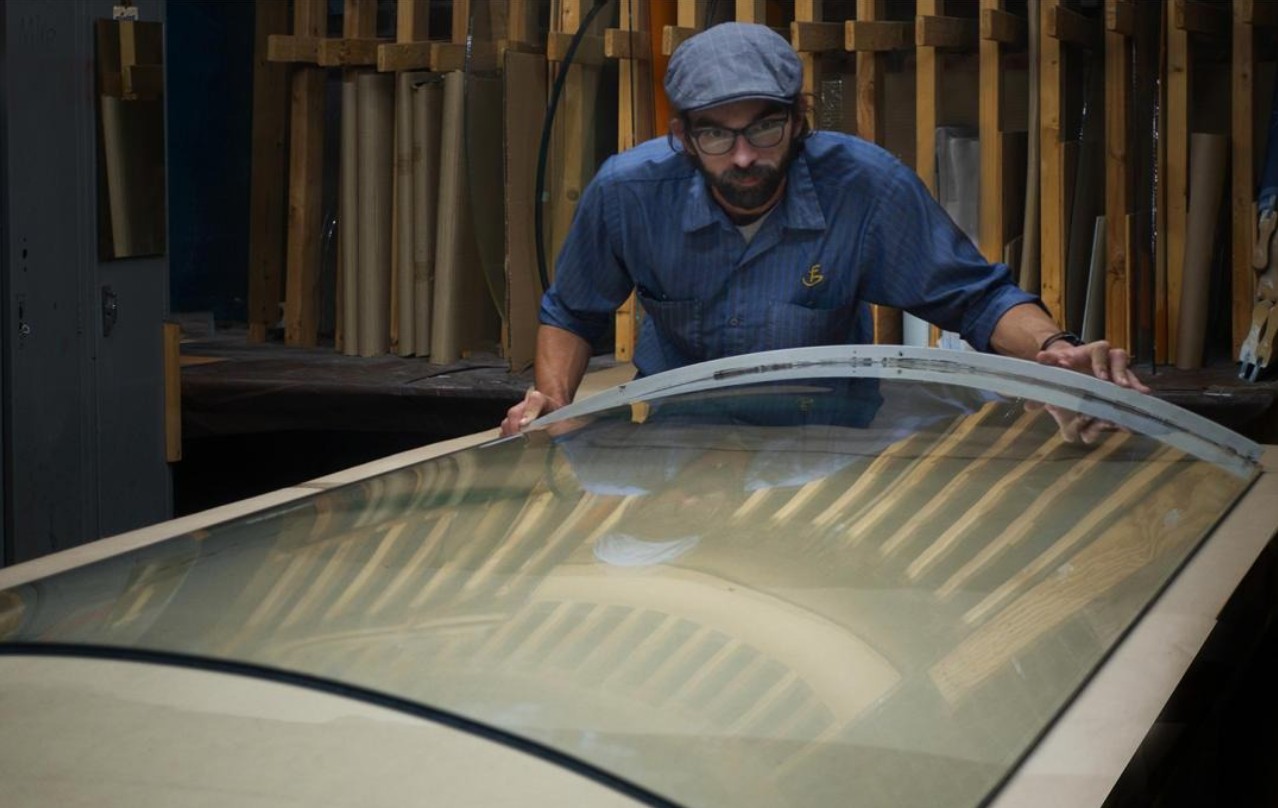
In the world of home design, sustainability is no longer optional, it’s essential. From energy-efficient appliances to circular design principles and the use of sustainably sourced wood, architects and homeowners alike are rethinking how to build and live more responsibly. One sustainable design trend that’s gaining serious momentum in 2026 is curved windows.
Once reserved for futuristic buildings or luxury spaces, curved glass is now becoming a practical, eco-conscious choice in both residential and commercial architecture. These smooth, flowing glass forms do more than just catch the eye, they help shape light, regulate temperature, and support energy-efficient building strategies.
As the push for greener living grows, curved windows are proving to be both a design statement and a smart environmental choice.
While traditional flat windows offer a clean and functional look, curved windows introduce movement, softness, and innovation. Their unique geometry allows them to wrap around corners, follow the contours of a building, or create panoramic views with fewer interruptions from frames or mullions. But their impact goes beyond aesthetics.
Curved windows can better distribute natural light, reduce glare, and improve thermal performance, features that directly support sustainability goals in architecture. By reshaping how light and air interact with a space, curved glass enhances comfort while decreasing energy dependence.
Behind every curved window is a meticulous process that turns raw glass into an architectural masterpiece. The process of creating curved windows and glass in general is a blend of art, engineering, and precision craftsmanship. It begins with the creation of a custom steel mold, carefully designed to match the exact curvature needed for the window.
This mold is then heated to a specific temperature, hot enough to allow the glass to soften, but controlled enough to maintain its integrity. The glass is gently laid onto the mold and placed inside a kiln, where it undergoes a gradual heating and cooling process.
This slow, carefully monitored cooling, known as annealing, allows the glass molecules to stabilize into their new shape. The result is a perfectly curved, structurally sound pane of glass, ready to be integrated into high-performance architectural systems..
Each window is a custom-made element, tailored not just to the building’s structure but also to its environmental goals.
One of the most important contributions of curved glass to sustainable design is its effect on daylighting. Thanks to their shape, curved windows allow light to flow more evenly into a space, minimizing harsh shadows and overexposure. This gentle diffusion reduces the need for artificial lighting during the day, cutting energy consumption and creating a more comfortable indoor environment.
In buildings where light must be balanced, such as offices, galleries, or residential spaces, curved windows provide more consistent illumination without the intense glare often associated with direct sunlight on flat panes.
Curved windows also play a role in managing internal temperatures, which can lead to significant savings in heating, ventilation, and air conditioning (HVAC) costs. Their design can reduce areas where hot or cold air may collect, supporting better airflow and temperature regulation throughout a room.
When paired with low-emissivity (low-E) coatings, curved windows can reflect infrared radiation, keeping interiors cooler in the summer and warmer in the winter. This not only enhances comfort but also lowers energy bills and reduces the building’s carbon footprint.
Adding solar control films to curved glass takes it one step further, helping to block harmful UV rays and control heat gain—all without sacrificing the benefits of natural light. These smart upgrades make curved windows an integral part of a passive design strategy.
Incorporating curved windows into sustainable building designs can also contribute to certifications such as LEED (Leadership in Energy and Environmental Design) and WELL Building Standard. Both programs reward strategies that reduce environmental impact and promote occupant well-being, goals that curved glass directly supports.
By improving natural lighting, reducing energy use, and enhancing thermal comfort, curved windows can help projects earn credits in areas like Energy & Atmosphere, Indoor Environmental Quality, and Sustainable Materials. Their use also supports biophilic design principles by strengthening the connection between indoor spaces and the surrounding environment, another key aspect of modern green architecture.
Around the world, curved glass is already making a noticeable impact. The Tiffany & Co. flagship store in Tokyo, redesigned by Jun Aoki and completed in 2025, features a sculptural curved glass façade that captures and diffuses light beautifully while contributing to energy efficiency and thermal performance.
Another example is Apple Park in Cupertino, where enormous curved glass panels wrap the circular campus, seamlessly integrating indoor and outdoor spaces while maximizing daylight and minimizing HVAC loads. Similarly, the Elbphilharmonie in
Hamburg uses curved glass to control acoustic and thermal conditions while creating a striking architectural statement. These iconic buildings prove that curved glass isn’t just visually impressive, it’s a high-performance material for sustainable design.
As architecture continues to evolve alongside environmental awareness, curved windows are becoming a defining feature of sustainable design in 2026. They blur the lines between beauty and function, creating light-filled, thermally efficient spaces that reduce environmental impact and elevate everyday experiences.
From bespoke craftsmanship to advanced coatings, curved glass offers a versatile and forward-thinking solution for architects and homeowners looking to build with the future in mind. As more people embrace sustainable living, curved windows are lighting the way, literally and figuratively.