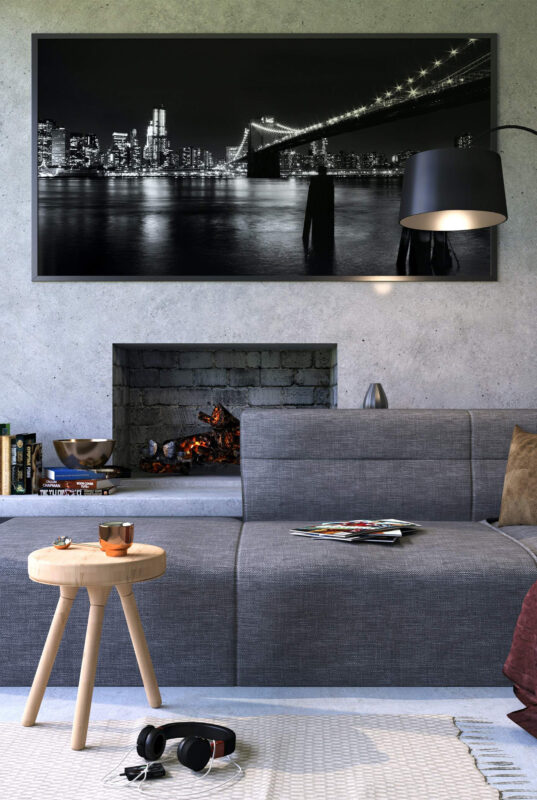
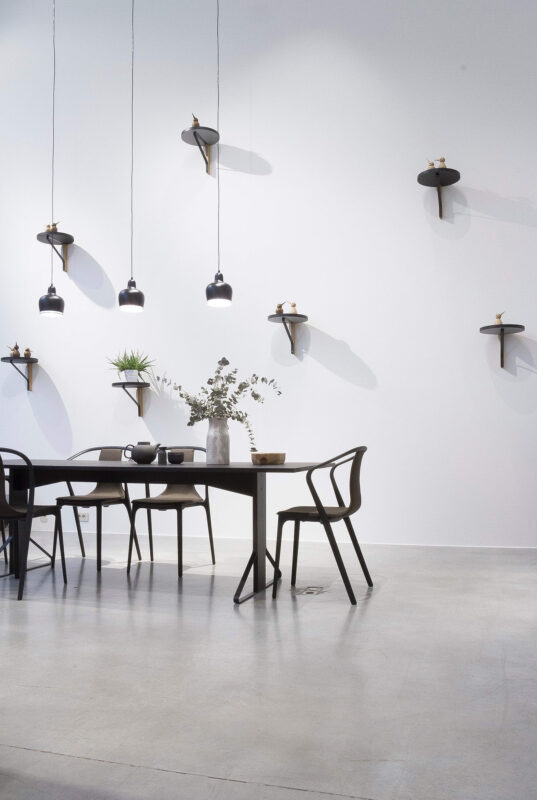
Interior Design Mistakes That Can Sabotage a Chic Home
-
Posted by
Decorating a new home or refurbishing an old one can be an …

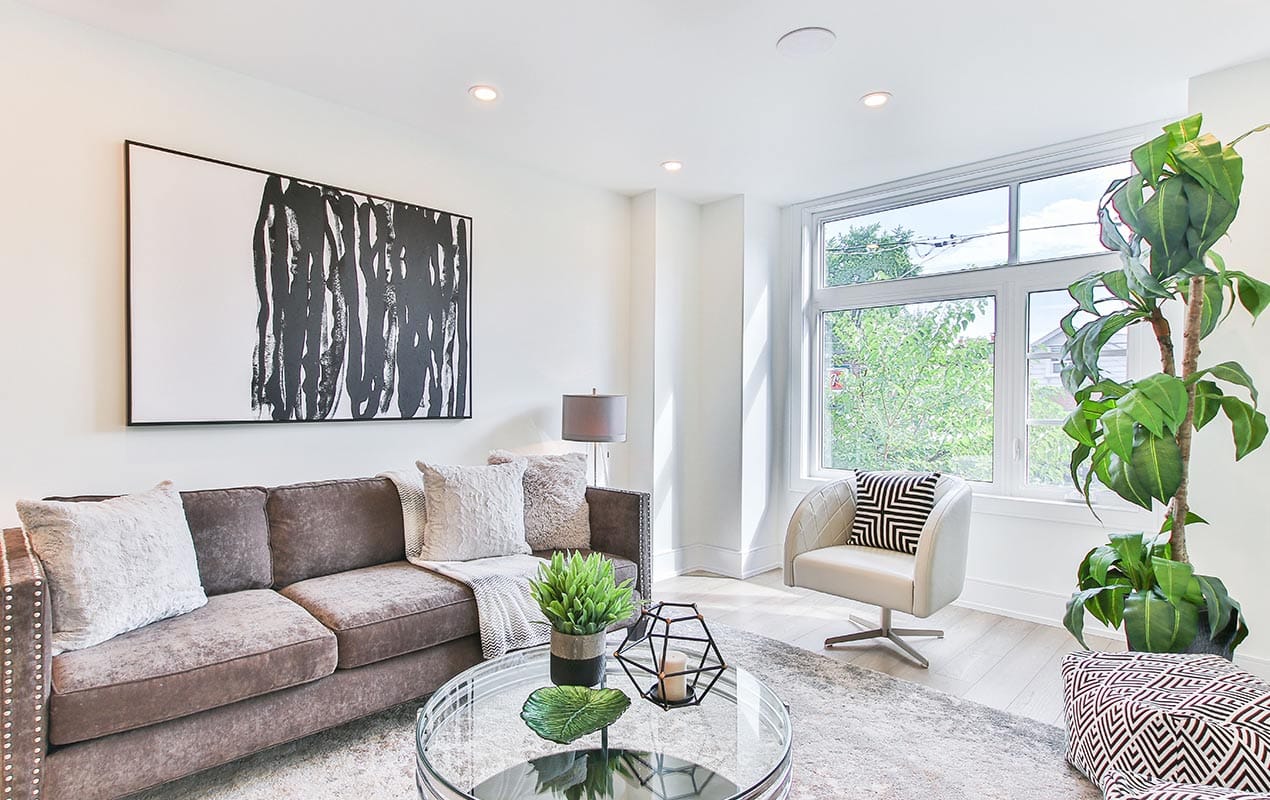

Decorating a new home or refurbishing an old one can be an …

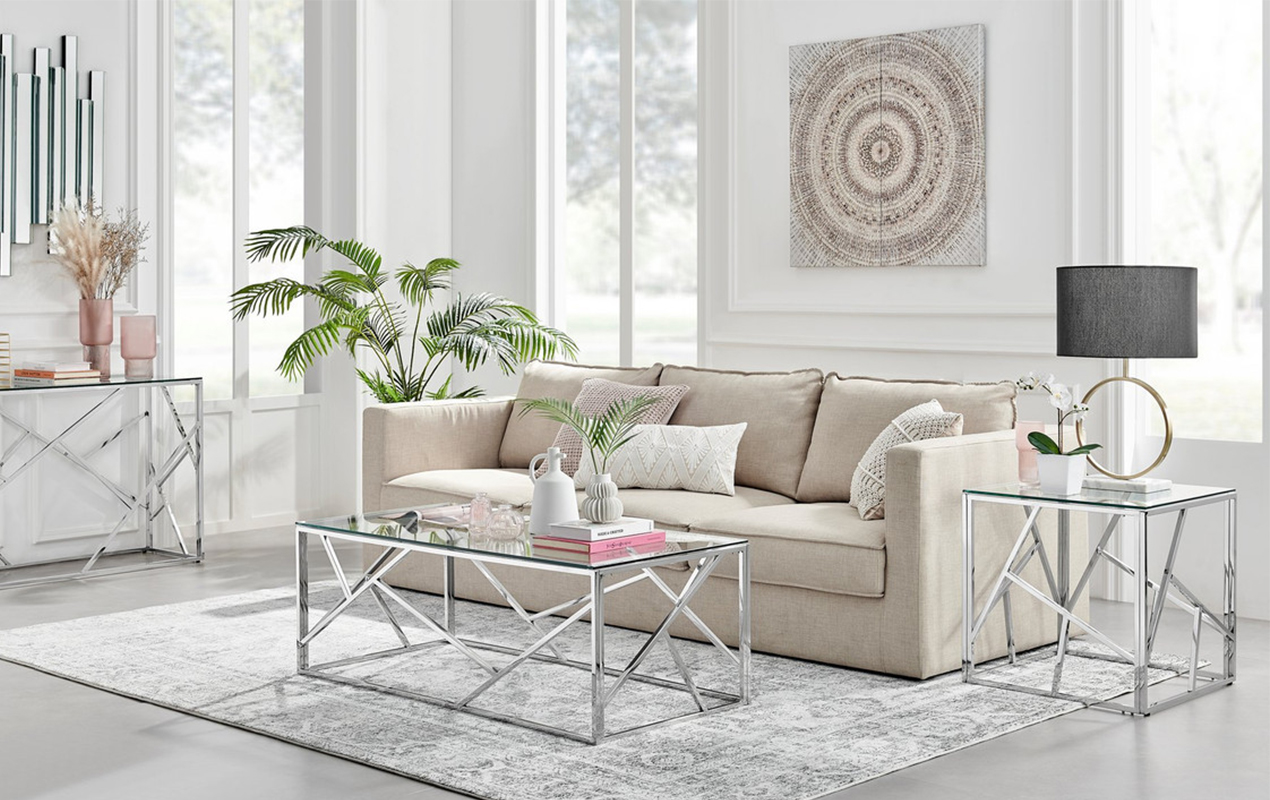
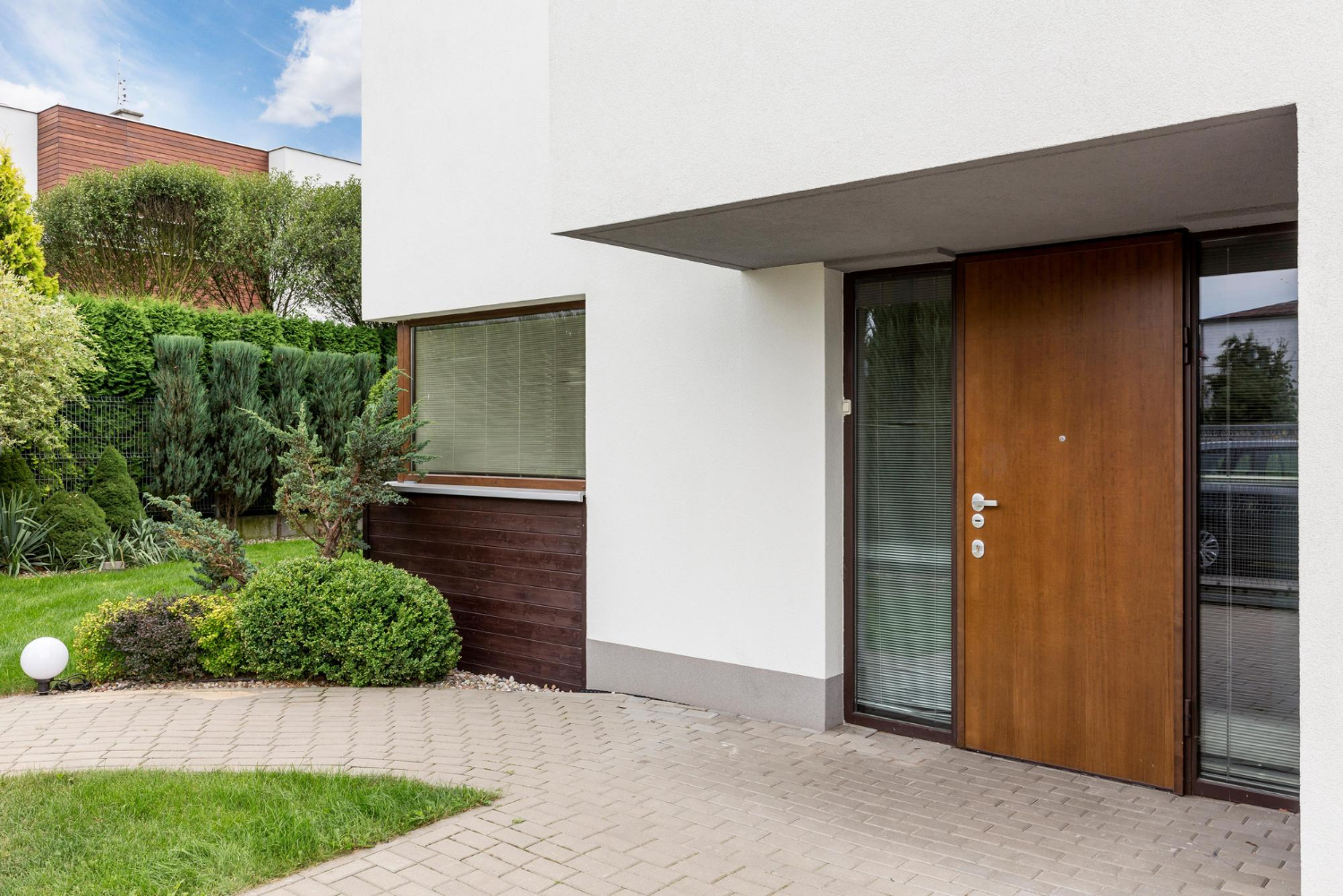
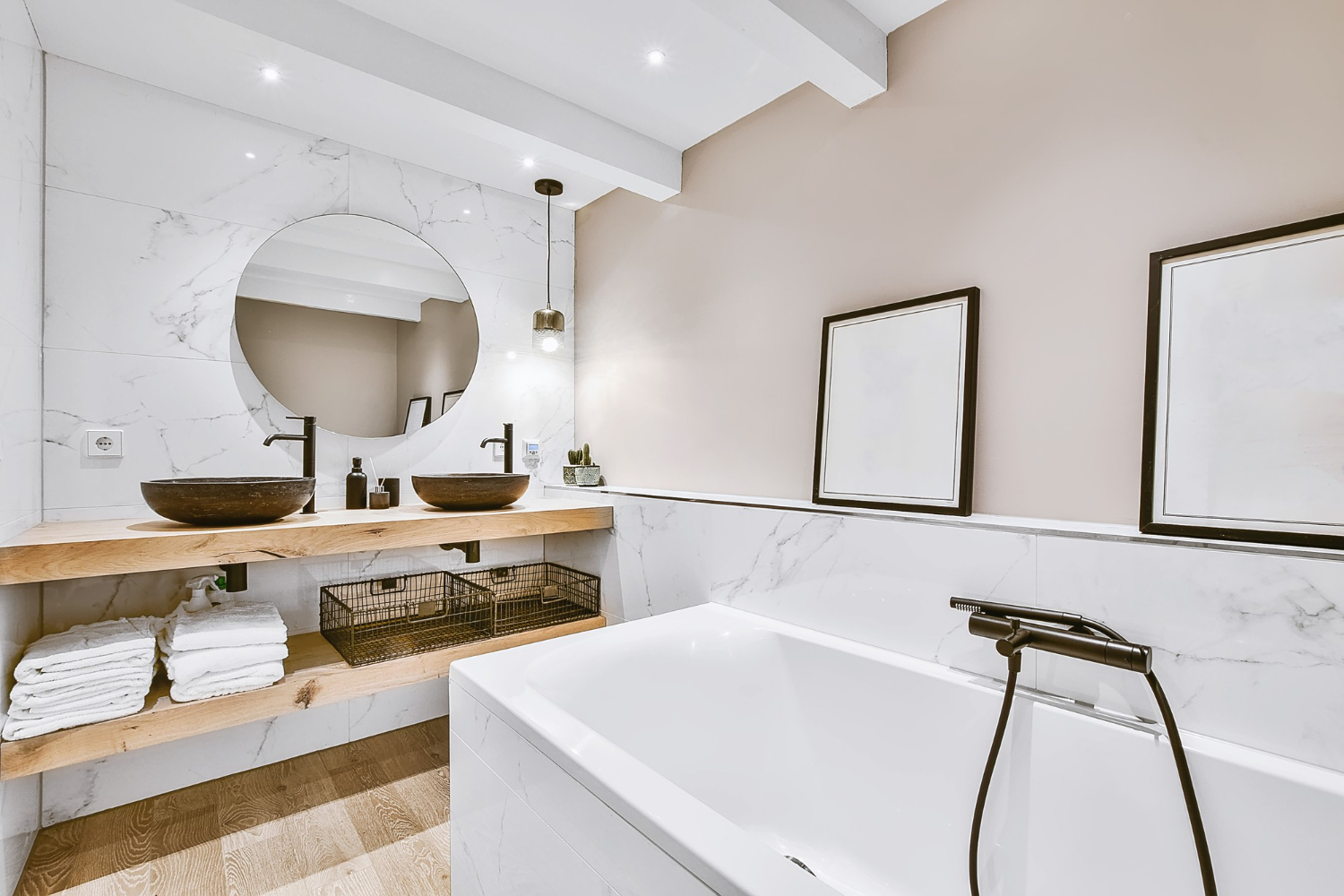
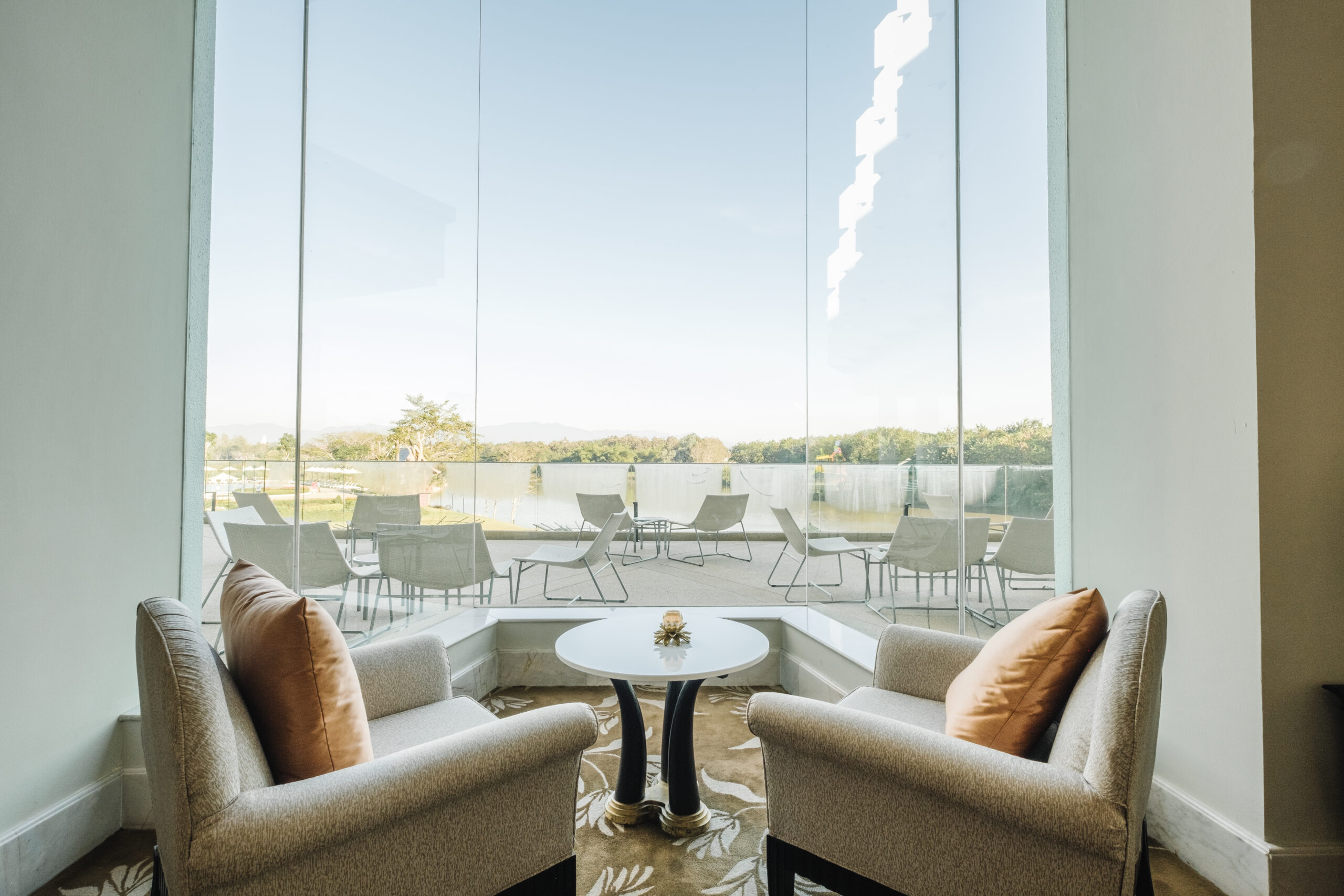
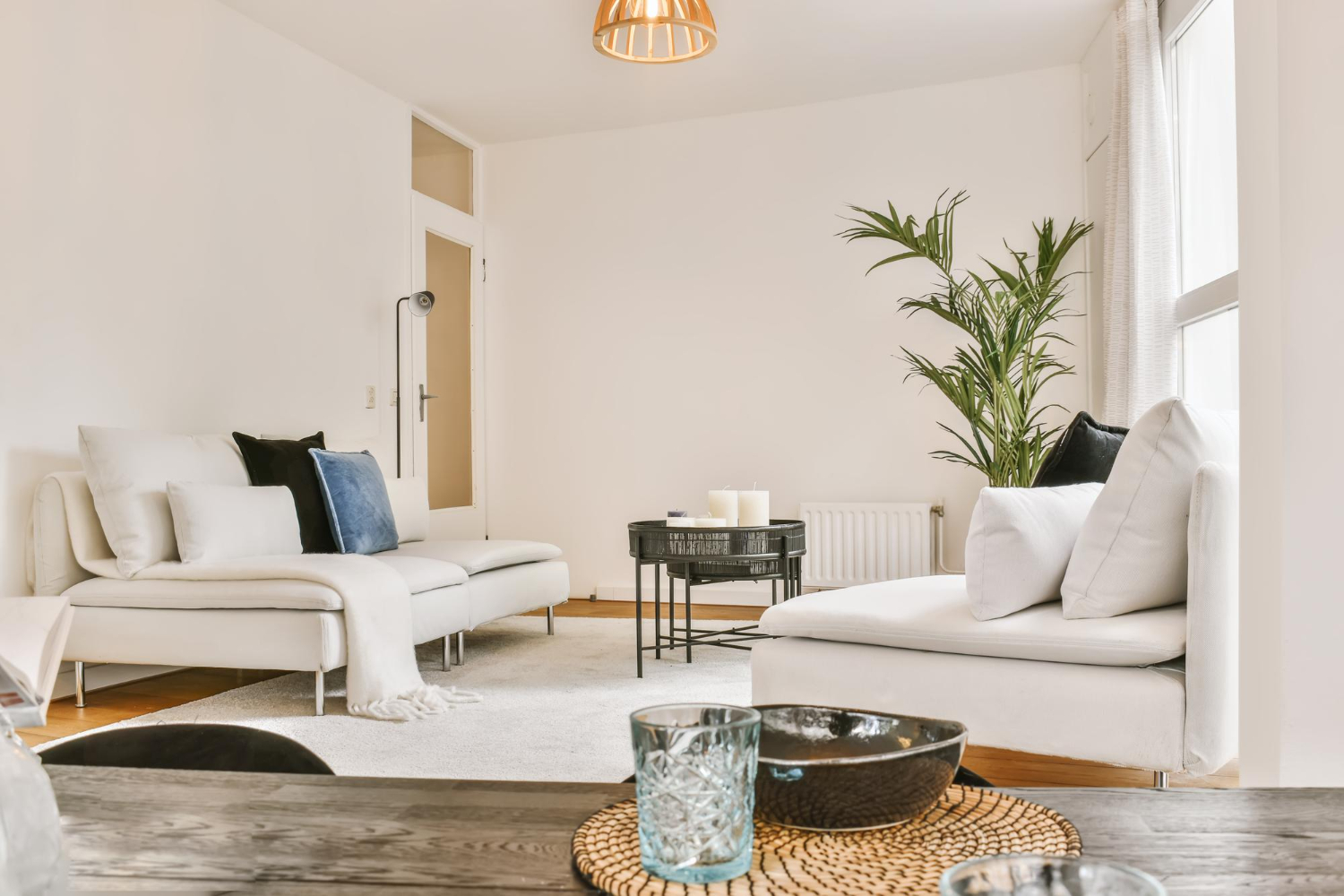
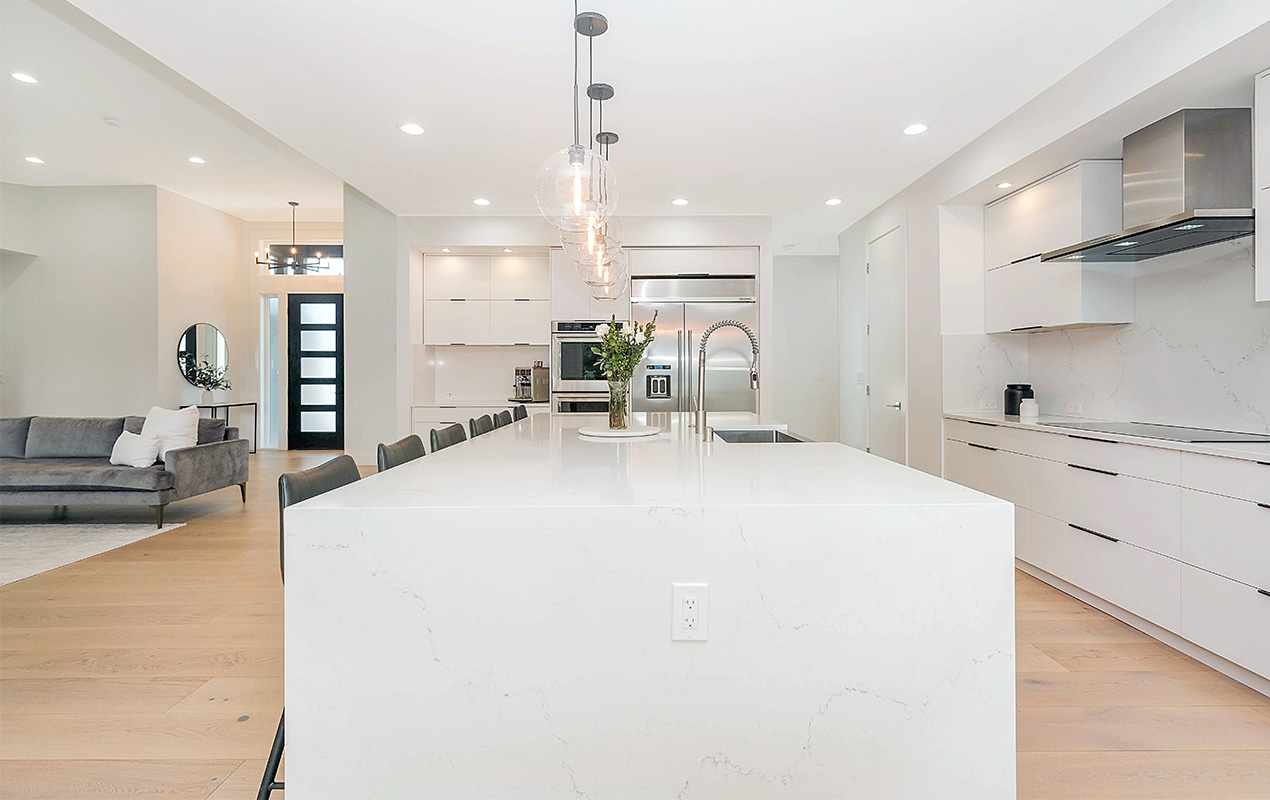
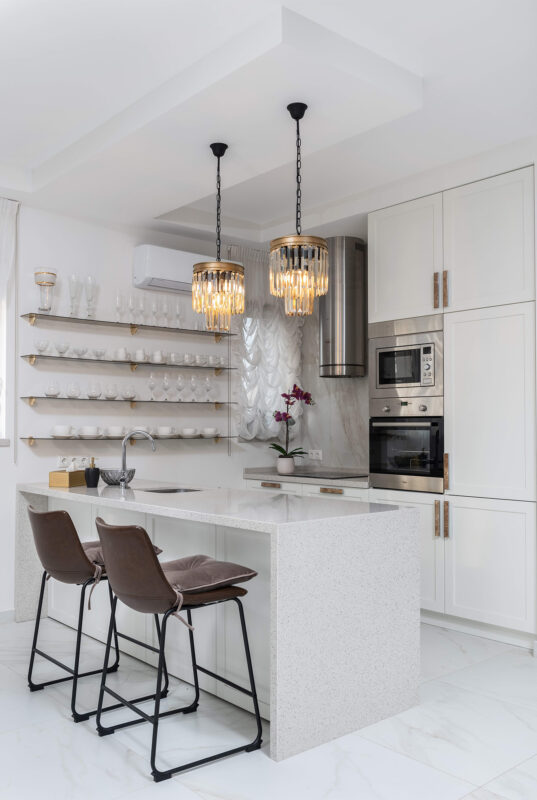
So recently you’ve been cooking up plans to revamp your kitchen …



A home’s outdoor space can feel like a forgotten corner or a favorite destination. Patios, decks, and yards gain charm when they invite people to sit, talk, and relax without effort. Furniture, plants, lighting, and texture all shape that experience. When you treat the exterior as an extension of the interior, the whole property starts to feel more complete.
You do not need a huge yard to create a strong outdoor living area. Even a small balcony or townhouse courtyard can serve as a calm retreat or a lively gathering spot. The key lies in a few core elements that work together with a clear purpose. Comfort, flow, and atmosphere matter more than expensive materials or complicated designs.
Thoughtful choices turn plain slabs into favorite hangouts. When each piece supports a specific way of living outdoors, the space starts to feel natural, practical, and welcoming in every season.
Outdoor living feels strongest when movement from the inside to the outside happens without effort. Doors, sightlines, and furniture placement all contribute to that sense of flow. A patio that sits near the kitchen helps with meals outside. A deck near the living room encourages quiet reading or small gatherings.
You can start with one main path that guides people from interior spaces to a clear outdoor “room.” A set of pavers, a rug, or a change in decking boards signals that transition. When doors open onto a seating area rather than a blank wall or stray grill, guests understand where to go.
Matching or complementary colors between inside and outside surfaces support this link. Similar wood tones, metals, or fabric colors give the impression of one continuous zone. That continuity makes the property feel larger and more intentional without structural changes.
People linger when chairs feel supportive, and surfaces sit at the right height. Comfort always outranks trend in outdoor seating. Deep cushions, sturdy frames, and practical fabrics encourage long conversations and lazy afternoons. A hard bench that digs into shoulders sends people back indoors after a few minutes.
You might explore lounge pieces for reading corners, dining sets for shared meals, and flexible stools that move around as guest numbers change. Design shops and outdoor retailers often group these pieces in vignettes, and you can mirror that approach at home for a balanced layout. You can browse inspiration, compare layout ideas, and click for details when you feel ready to invest in a set that suits your climate and style. That level of research saves money and frustration, since the final arrangement matches how you actually use the space.
Shade plays a direct role in comfort, too. Umbrellas, pergolas, or simple shade sails protect skin and keep cushions cool. Even a slim strip of shade along one side of a patio gives guests a choice between sun and relief, which encourages longer visits.
Lighting transforms outdoor living after sunset. Harsh floodlights flatten every surface and wash out the atmosphere. Softer, layered lighting creates depth and warmth. Paths need clear visibility. Seating areas benefit from a gentle glow rather than glare.
String lights, lanterns, and low-voltage fixtures all contribute to a calm evening mood. Mount fixtures where they cast soft pools on walls, table surfaces, and plants. When lights reveal texture on stone or wood, the space gains character at night that differs from daytime views.
Task lighting supports specific activities in certain zones. A reading chair near a lamppost, a grill with a dedicated light, or a dining table with a pendant fixture above it all keep functions clear. Guests then know where to gather for each part of an evening.
A strong outdoor space functions well on ordinary days, not just during parties. Clear paths and defined zones help with that. A direct route from the house to the grill encourages regular cooking outside. A simple loop path through garden beds invites short walks while coffee brews.
Zones can stay flexible without strict walls or dividers. A rug and a low table define a lounge area. A long bench and narrow table signal a dining or work zone. Raised beds and tool hooks mark a garden corner. When each zone supports a specific daily activity, the yard becomes part of the routine rather than a separate project.
Storage keeps those zones ready. Weatherproof boxes, benches with interior compartments, or small sheds hold cushions, toys, garden tools, and covers. Quick access means you spend less time hunting for items and more time enjoying the space itself.
Home outdoor living comes alive when structure and feeling meet. Flow from indoors to outdoors, comfortable furniture, thoughtful lighting, greenery, atmospheric features, clear zones, and personal touches all work together. Each element strengthens the others.
You do not need a huge budget or a perfect yard, only steady attention to how you want to live outside day after day. With that mindset, any property can gain an outdoor space that friends admire, family members use, and you enjoy every time you open the door. Visit DeCasa Collections.