Revive & Renew: 10 Old Home Decor Ideas for a Fresh Update
-
Posted by
Is your home in need of a makeover? Whether you’ve been …


Is your home in need of a makeover? Whether you’ve been …

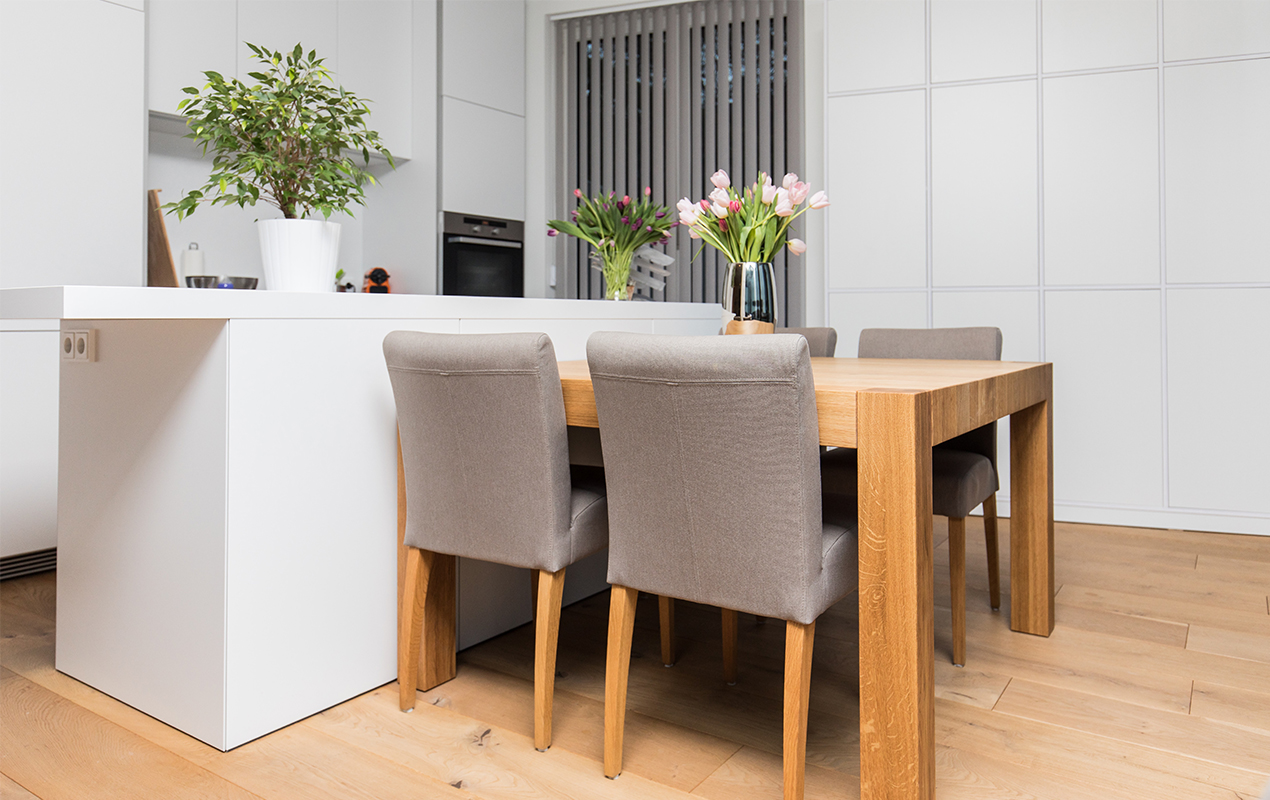
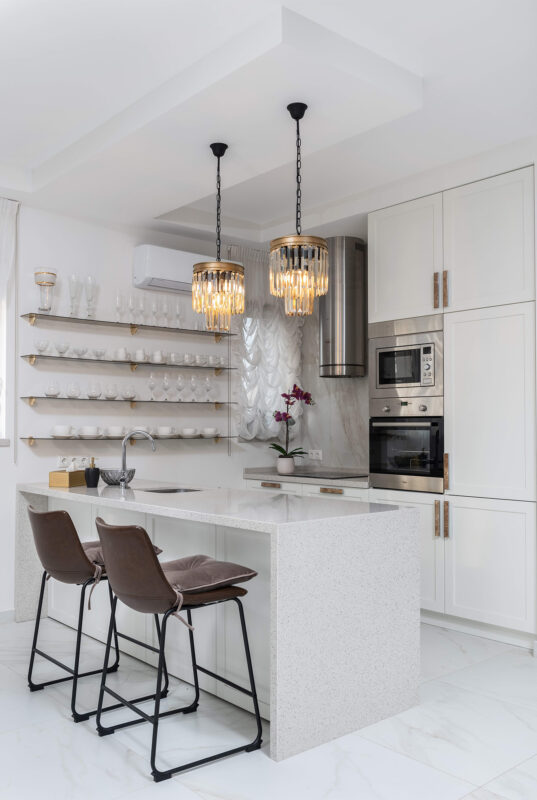
So the decisions made, you know you want an island in your kitchen …




You ever walk into a room you’ve styled perfectly and think, Something’s just… off? The lighting’s right, colors blend like they should, but the vibe feels wrong. You can’t quite name it—maybe it’s a faint smell, a weird shadow, or the sound of air moving behind a wall.
That’s the thing about homes: the beauty you see depends on what you don’t see. Sometimes, the most expensive candle or designer throw can’t hide what’s happening behind the paint. And when that happens, your style starts to lose its edge without you realizing why.
If any of this sounds familiar, it might be time to check beneath the surface—literally. Because unseen repairs could be quietly messing with your design. And if they are, you’ll want real pros (like GCLHomeServices.com) who understand that fixing a home means protecting both structure and style.
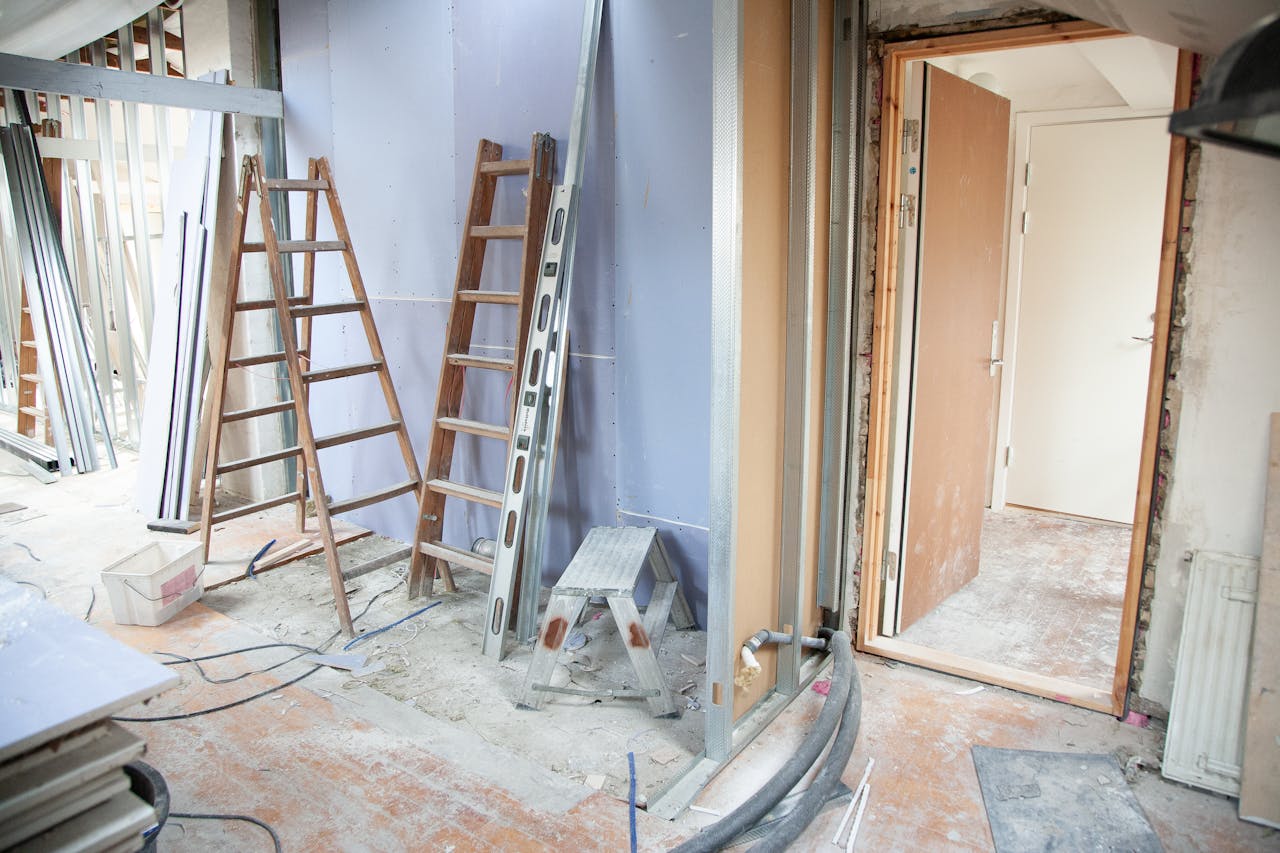
Image from Pexels
Water doesn’t have to gush from a burst pipe to wreck your space. A slow drip inside a wall can be enough. One drop at a time, it warps wood, stains paint, lifts tiles, and curls your baseboards.
I remember helping a friend who had this stunning, spa-like bathroom—everything white, minimal, calm. Then one morning she spotted a faint yellow stain on the ceiling above the tub. A week later, the drywall puffed up like bread dough. Turns out a tiny pinhole leak behind the wall had been seeping for months. The entire ceiling had to go.
What to watch for:
If you see even one of these, it’s not “just moisture.” It’s your design begging for help.
Picture this: your new pendant lights look incredible… until they start to flicker every time you run the dishwasher. That’s not mood lighting; that’s a wiring issue.
Old or sloppy electrical work can make your beautiful lighting feel unstable. Worse, it can be dangerous. Sometimes, it’s not just the wiring—it’s the way outlets were placed, forcing you to run visible cords that ruin your visual flow.
Look out for:
A home with poor wiring feels uneasy. You don’t always see it, but you sense it—like the energy’s literally off.
Homes settle over time, and that’s normal. But when one side settles faster than the other, it shows up in ways that make even the best design look flawed. Tiny cracks near door frames, uneven trim, walls that look “tired” no matter how often you repaint.
You might think a crack is just cosmetic, but sometimes it’s your home whispering that something’s shifting beneath. And when your walls move, your design symmetry disappears.
Telltale signs:
Those tiny imperfections add up. And once you notice them, you can’t unsee them.
Ever leaned against a wall and thought, Why does this feel colder than the rest of the room? That’s a hint your insulation might be off. Poor insulation doesn’t just make you uncomfortable—it changes how your space looks and feels.
Humidity sneaks in, paint starts to sweat, wallpaper edges lift. In winter, you get condensation around trim that leaves little grayish marks. It’s not glamorous, but insulation is the unseen hero of every stylish room.
Watch for:
Without proper insulation, even the most elegant design loses its comfort. And comfort is half of style, isn’t it?
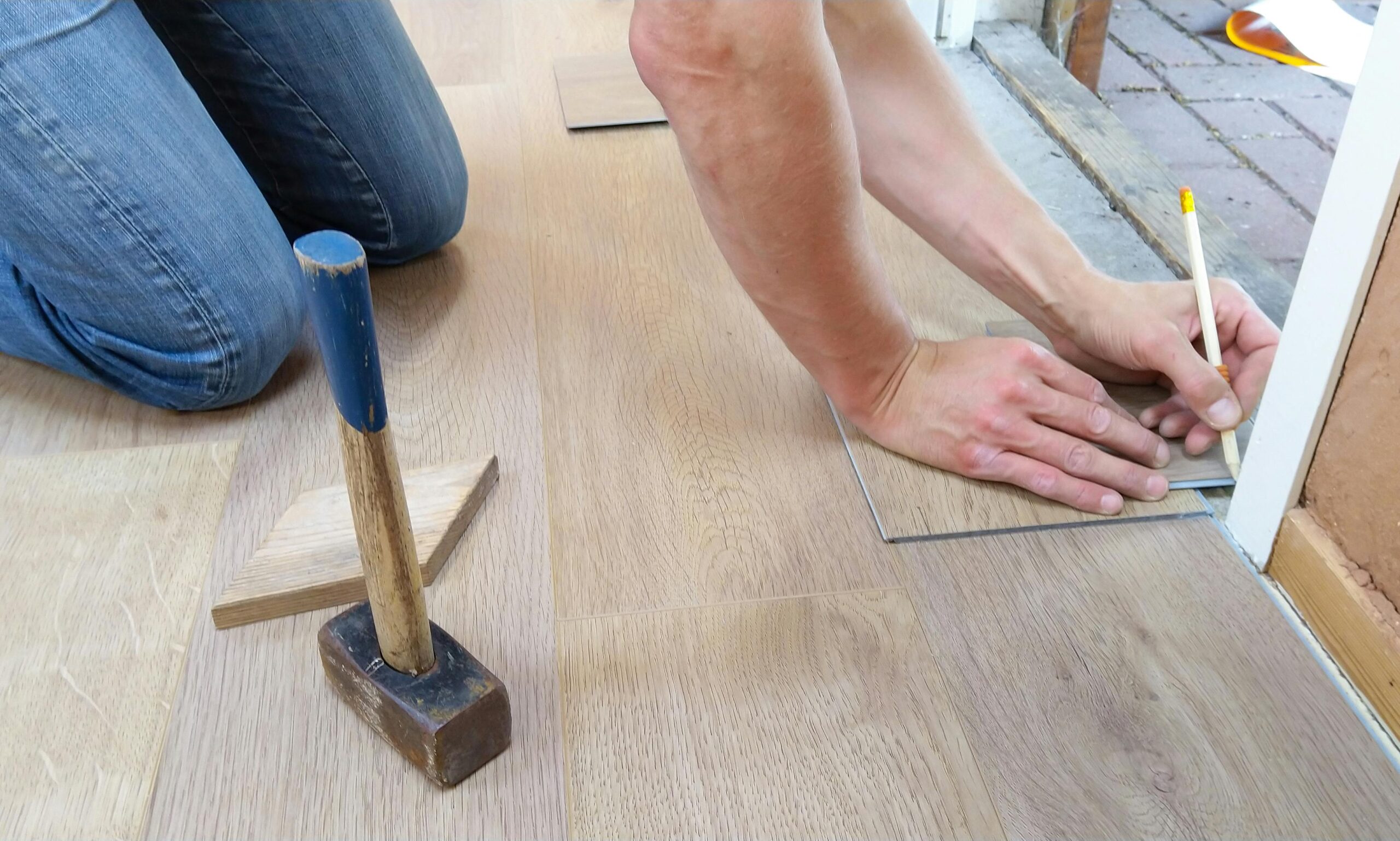
You picked out that perfect tile or engineered wood. The pattern’s stunning, the texture’s rich. But a few months in, you start hearing a hollow sound underfoot. Then a line of grout cracks. Maybe a plank starts to cup.
That’s not bad luck. It’s bad prep. When the underlayment isn’t level or secure, the surface can’t stay stable. The finish you see depends entirely on the foundation you don’t.
Check for:
Fixing it isn’t fun—it often means pulling up flooring—but it’s worth it. Because a flawless surface isn’t just about what’s on top; it’s about what holds it up.
Let’s be honest: this is the part no one wants to talk about. But termites, rot, or hidden mold can destroy more than structure—they eat the soul out of a home’s style.
You can scrub, repaint, re-decorate, and it’ll still feel off. Because mold leaves behind stains and smells that paint can’t hide. Termites chew through beams that support your trim, making everything subtly uneven.
Red flags:
These aren’t just gross—they’re expensive. The sooner you handle them, the sooner your space feels clean and solid again.
Ever touched a wall and felt it bounce? Or noticed wallpaper that wrinkles in one odd spot? That’s usually a cavity or old repair hiding underneath. Maybe someone patched drywall without replacing the framing. Maybe insulation shifted.
Either way, the wall loses its tension. Paint doesn’t sit right, finishes warp, trim lifts. It’s subtle, but it disrupts the calm of a well-designed space.
Signs to notice:
Fixing it means opening the wall, but it restores integrity—both structural and visual.
You don’t need special tools. You just need curiosity. Every few months, walk through your space like you’re visiting it for the first time. Look. Listen. Smell.
Try this:
The key is to stay observant. Most hidden problems whisper before they shout.
If you’ve spotted a few of these red flags, don’t panic—but don’t ignore them either. Hidden damage rarely fixes itself. You need experts who see beauty and mechanics, who repair with care.
That’s where teams like GCLHomeServices.com come in. They diagnose, repair, and restore without treating your space like a construction zone. You want someone who’ll patch the wall and match the paint, who’ll fix the leak and save your tiles.
When you hire, ask:
A good contractor will treat your home like a living system, not a list of problems.
Design isn’t just about what meets the eye. It’s about trust—trust that your walls, your wiring, your flooring all hold up the beauty you built. When something hidden breaks that trust, your space feels unsettled, even if no one else notices.
But when structure and style work together, the energy shifts. The light feels softer. The air feels fresher. You relax because you know the beauty is built on something solid.
So the next time you feel like your room’s “off,” don’t just swap pillows or paint. Listen to your home. It might be trying to tell you something.
Your home deserves to look good and feel right. Because what’s behind the walls matters just as much as what’s hanging on them.
If anything here rings a bell, take a quiet weekend to investigate. Notice what’s working, what’s not. And if you find something that doesn’t feel right—call someone who respects your space as much as you do. Because the best designs aren’t fragile. They’re honest, grounded, and built to last.
A blog about interiors? More like a journey—welcome to DeCasa Collections.