How to Choose the Right Design-Build Firm in Toronto
-
Posted by
Creating your dream home isn’t just about design or construction — it’s abo...


Ready to get innovative with your kitchen and do something …
Elegant Interiors to Transform Your Home – and Your Life! …
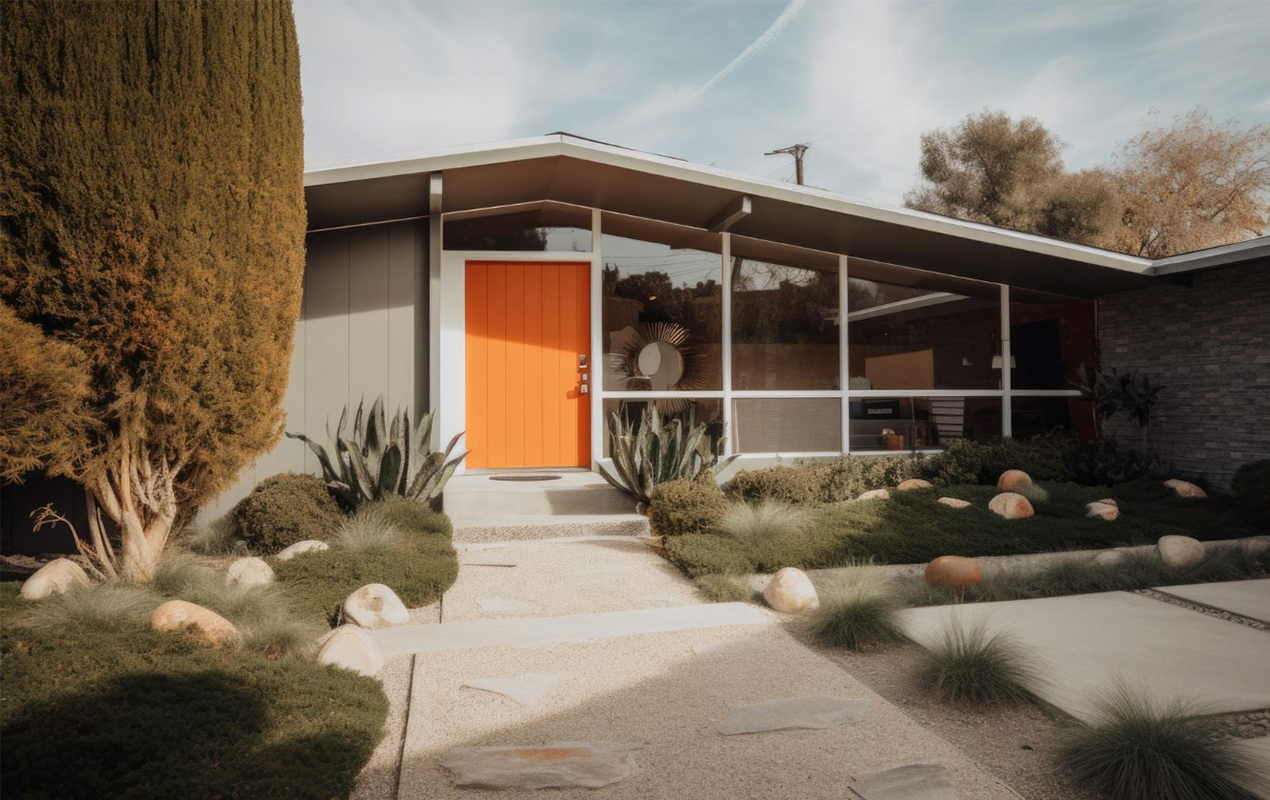
Creating a sense of flow in your home is about more than clever furniture placement or a cohesive colour scheme. The doors you choose play a crucial role in how spaces connect, how light travels and how comfortably you move from room to room.
With the right design choices, doors can transform a house from a series of separate rooms into a harmonious, well-balanced living environment.
Before choosing any door style, consider how you use your home day to day. Do you entertain regularly and need easy movement between kitchen and garden? Do you work from home and need quiet separation between spaces? Or are you trying to make a smaller property feel more open and airier?
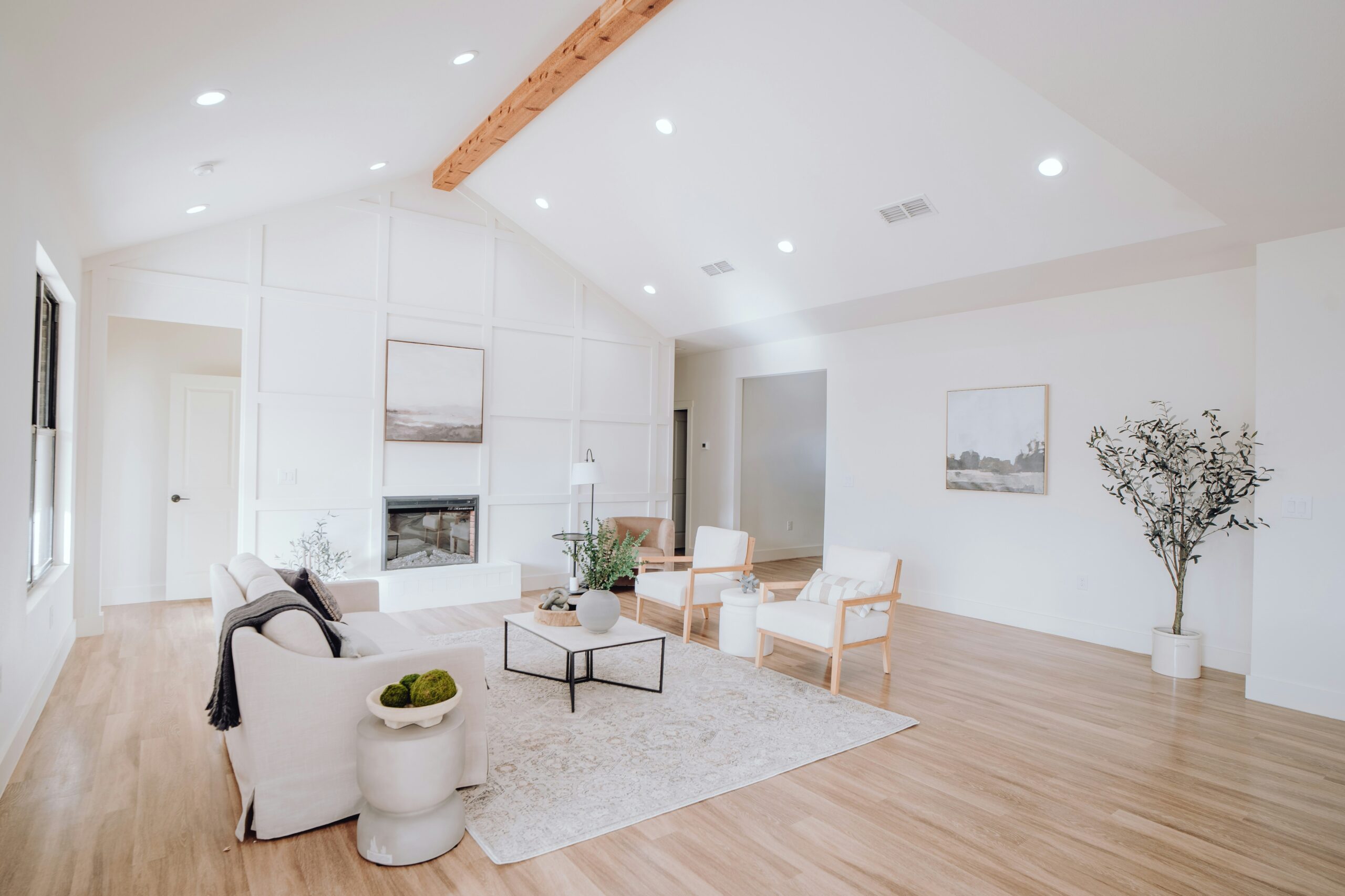
Understanding your lifestyle helps you decide where you need openness and where you need privacy. For example, open-plan living areas often benefit from wide glazed doors that can be left open for continuity or closed when needed.
Natural light is one of the biggest contributors to flow. When light travels freely from one room to another, spaces feel larger and more connected. Internal doors with glass panels allow light to pass through while still defining each area.
For external spaces, large sliding or bi-fold doors can blur the line between indoors and outdoors. When open, they create a seamless transition to patios or gardens. When closed, they still maintain visual connection thanks to generous glazing.
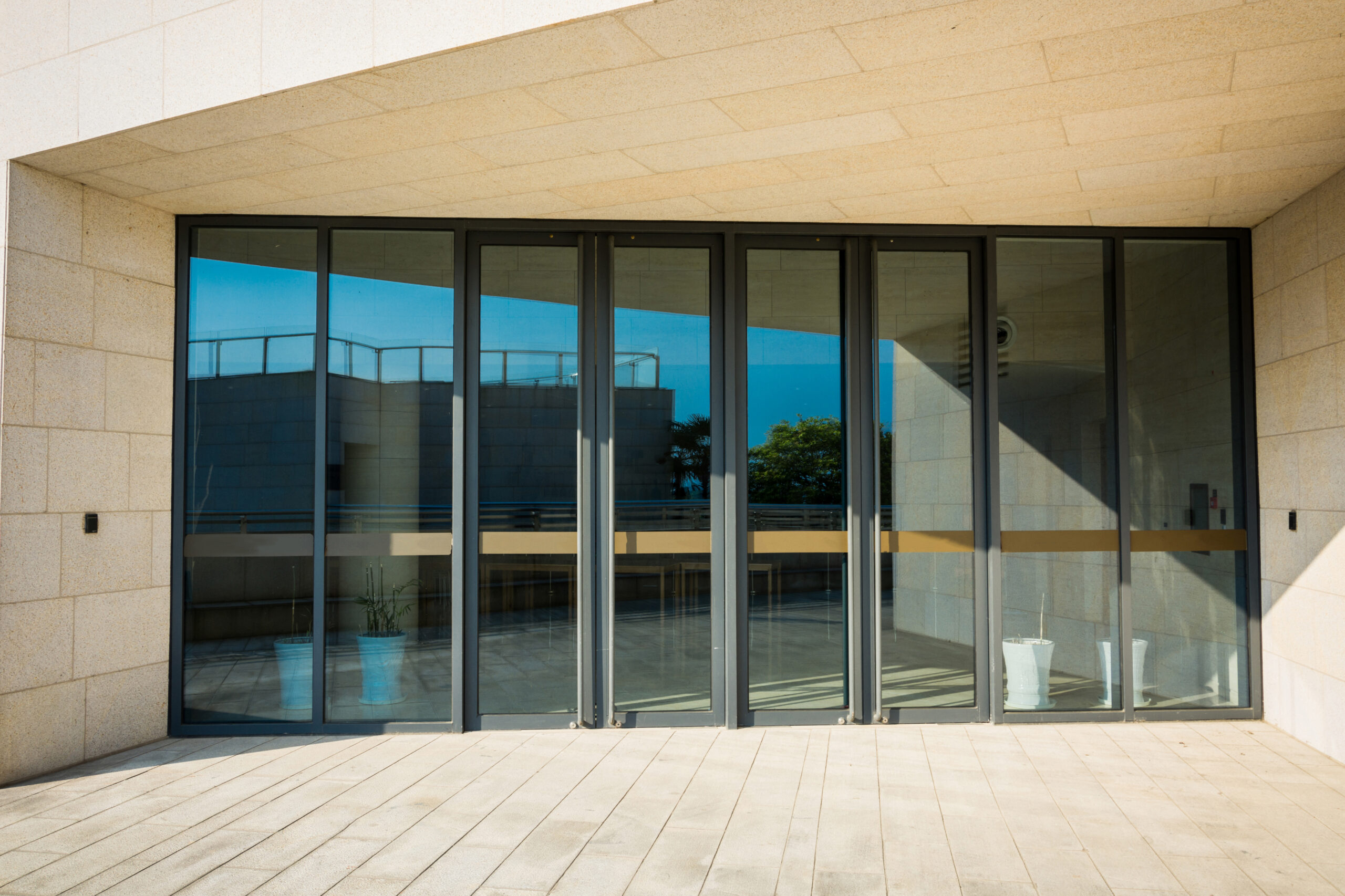
Choosing slim framed aluminium doors can maximise the glass area and keep sightlines clean. Suppliers such as nowaluminium.co.uk offer contemporary aluminium door systems that prioritise slim profiles and smooth operation, making it easier to achieve that effortless, modern flow many homeowners are looking for.
Flow is not only about the door itself but also where it sits within the room. Poorly placed doors can interrupt natural walkways or make spaces feel cramped. Ideally, doors should align with the way people naturally move through a home.
Think about sightlines as well. When standing in your hallway, what do you see through the next doorway? A well-placed door can frame a garden view or draw the eye towards a focal point, subtly guiding movement and enhancing the sense of openness.
Different door types create different spatial effects:
Selecting the right mechanism for each area ensures that circulation feels natural rather than obstructed.
Consistency in materials and finishes helps reinforce flow. If every door in your home looks entirely different, the result can feel disjointed. Choosing complementary colours, handles and frame styles creates visual continuity.
For modern homes, aluminium doors in neutral tones such as black, anthracite or white can tie different areas together. In more traditional settings, matching timber finishes across rooms can achieve a similar sense of cohesion.
While open spaces are desirable, complete openness is not always practical. The key is flexibility. Doors that allow you to open up spaces when desired and close them off when needed provide the best of both worlds.
Ultimately, creating flow around your home is about thoughtful design. By considering light, movement, materials and functionality, the right doors can enhance comfort, improve aesthetics and make everyday living feel easier and more connected.