Top Deck Builders in Overland Park: How to Choose Right
-
Posted by
The demand for deck builders in the United States is at an all-time high. A...



They say that size isn’t everything, and we’re here to prove it …

Houseplants are a great way to decorate a rental property …



Get Inspired by Our Top Flooring Tips For 2022 When it …

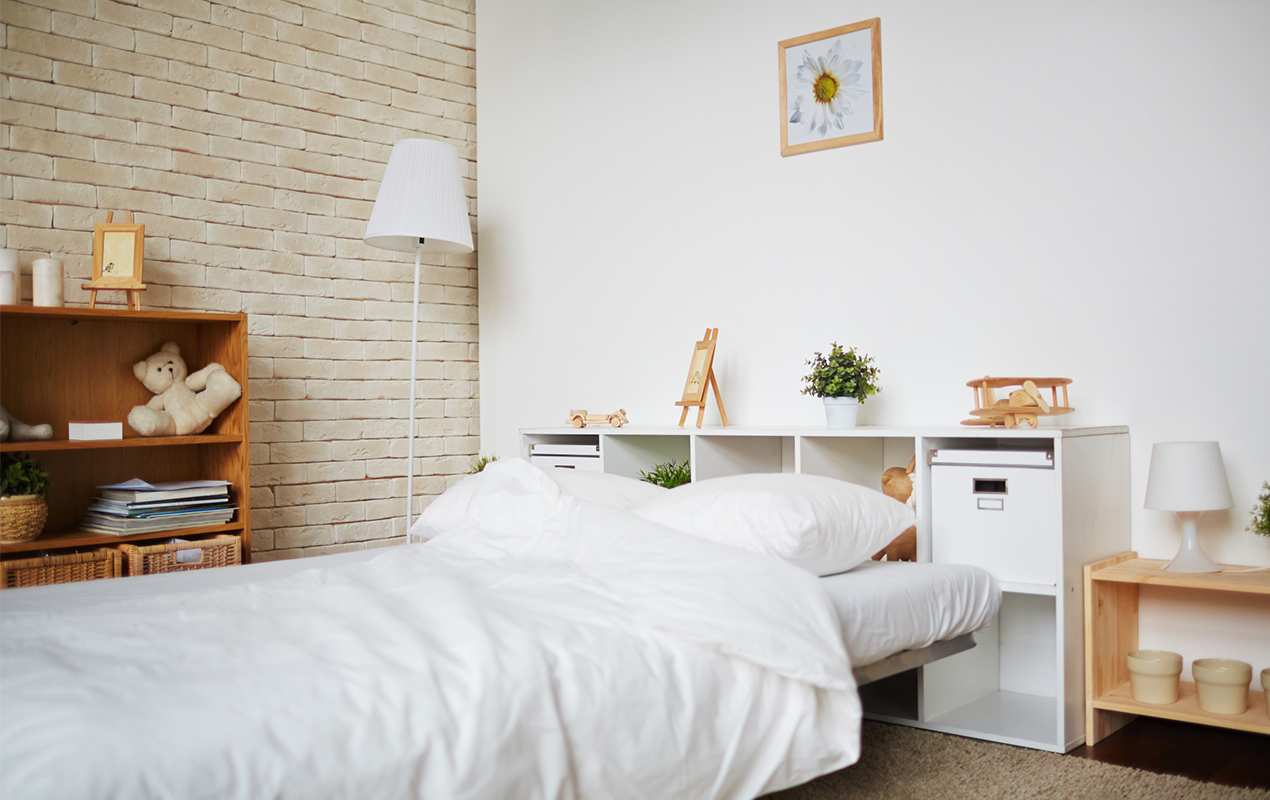
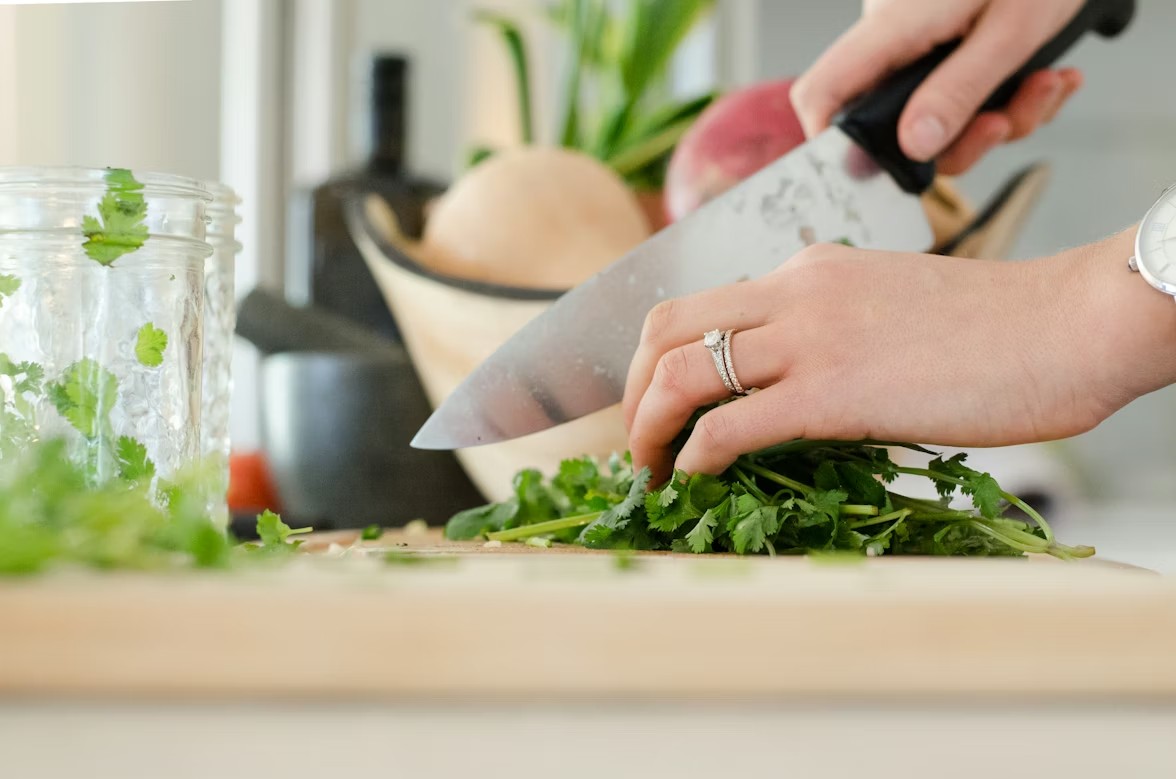
A growing family puts real pressure on the kitchen. Snacks multiply, schedules clash, and the room that once worked fine can suddenly feel crowded and slow.
Practical updates help the space work harder without wasting square footage. With a few smart changes, you can boost safety, storage, and flow so everyone gets fed and out the door on time.
Start by mapping how mornings and dinners actually unfold. Create clear prep, cook, clean, and serve zones so people can work side by side. When tasks have lanes, you cut down on bottlenecks.
Look for one or two strategic changes that relieve the biggest pain points. For neighbors who want ideas without starting from scratch, Glenn Ellyn Kitchen Remodeling can spark a plan that fits your lot and code, and it grounds choices in real homes. This keeps upgrades focused on what your family will use every day.
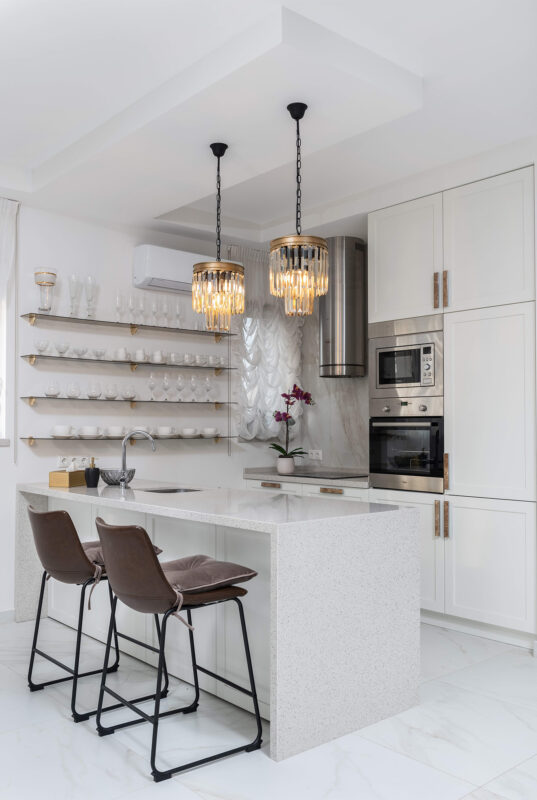
If space allows, widen aisles and nudge seating to the edge of traffic. A small island or peninsula can separate kid snack land from the hot zone. Hooks, rails, and a drop spot near the entry keep bags and bottles from piling up on counters.
As kids grow, storage needs shift from bottles to lunch kits to team gear. Flexible systems keep pace without a full remodel. Aim for deep drawers low on the perimeter and taller cabinets in the pantry.
Label the easy-reach spots so kids can help themselves and put things back. A simple snack zone limits counter clutter at peak times. Inside the pantry, use clear bins and a lazy Susan to keep extras visible so you do not overbuy.
Hot surfaces, sharp tools, and fast moves make the kitchen risky during rush hour. A national fire safety group reports that cooking equipment is a leading factor in home structure fires, so better ventilation and clear sightlines around the range are smart first steps. Consider induction for cooler surfaces and auto shutoff features.
Food safety matters just as much on busy nights. Health officials estimate that tens of millions of people get sick from foodborne illness each year, so give yourself the tools that make safe habits easier. Add a prep sink near the fridge, a hands-free faucet, and a cutting board system that separates raw proteins from produce.
Choose materials that wipe clean fast. Durable quartz, simple slab cabinet doors, and a deep single-bowl sink save time when spills happen. Bright task lighting over prep areas helps you spot crumbs and cross-contamination risks before they spread.
Design for the next five years, not just this season. A breakfast bar can become a homework perch, then a laptop spot for teens. If you plan outlets and task lighting now, the same corner can shift roles as your family changes.
Keep the heavy-use items within a few steps of the main counter. Store plates by the dishwasher, lunch gear by the fridge, and baking tools near the oven. A charging drawer or wall nook gathers phones and school devices without tangling cords across the worktop.
Small touches pay off daily. Add a message strip or magnetic panel for calendars and permission slips. A narrow cart or shelf beside the fridge makes room for bulk buys without crowding walkways. These upgrades make your kitchen adapt instead of asking your family to.
Growing families do not need a giant kitchen to feel at ease. They need a clear plan, a few well-placed features, and materials that keep up with real life.
When the room supports how your household moves, meals come together faster, and cleanup is simpler. Practical updates reduce stress, encourage independence, and make space for the moments you want to remember.