9 Ways To Transform Your Living Room into a Stylish Haven
-
Posted by
The living room is the heart of your home. It’s where you chill after a lon...


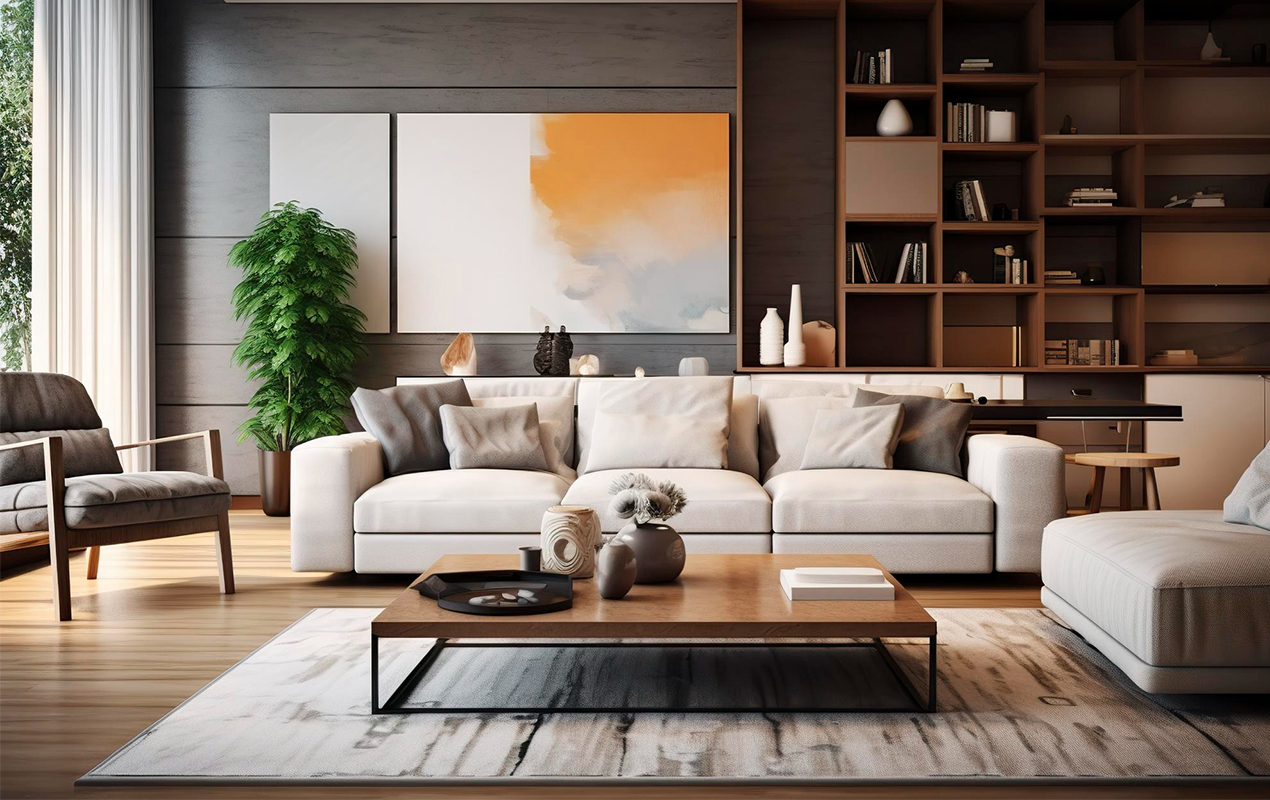

Interior design and mental health may be two phrases that you …
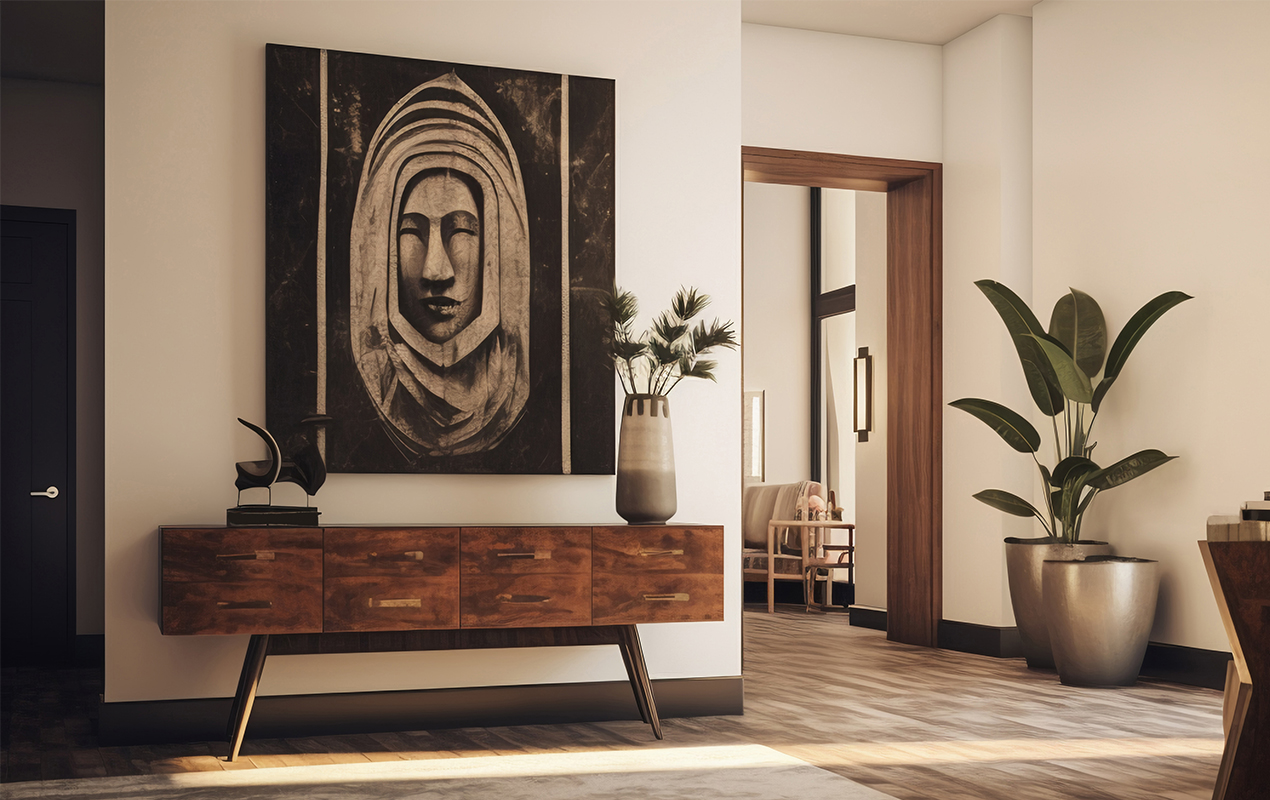
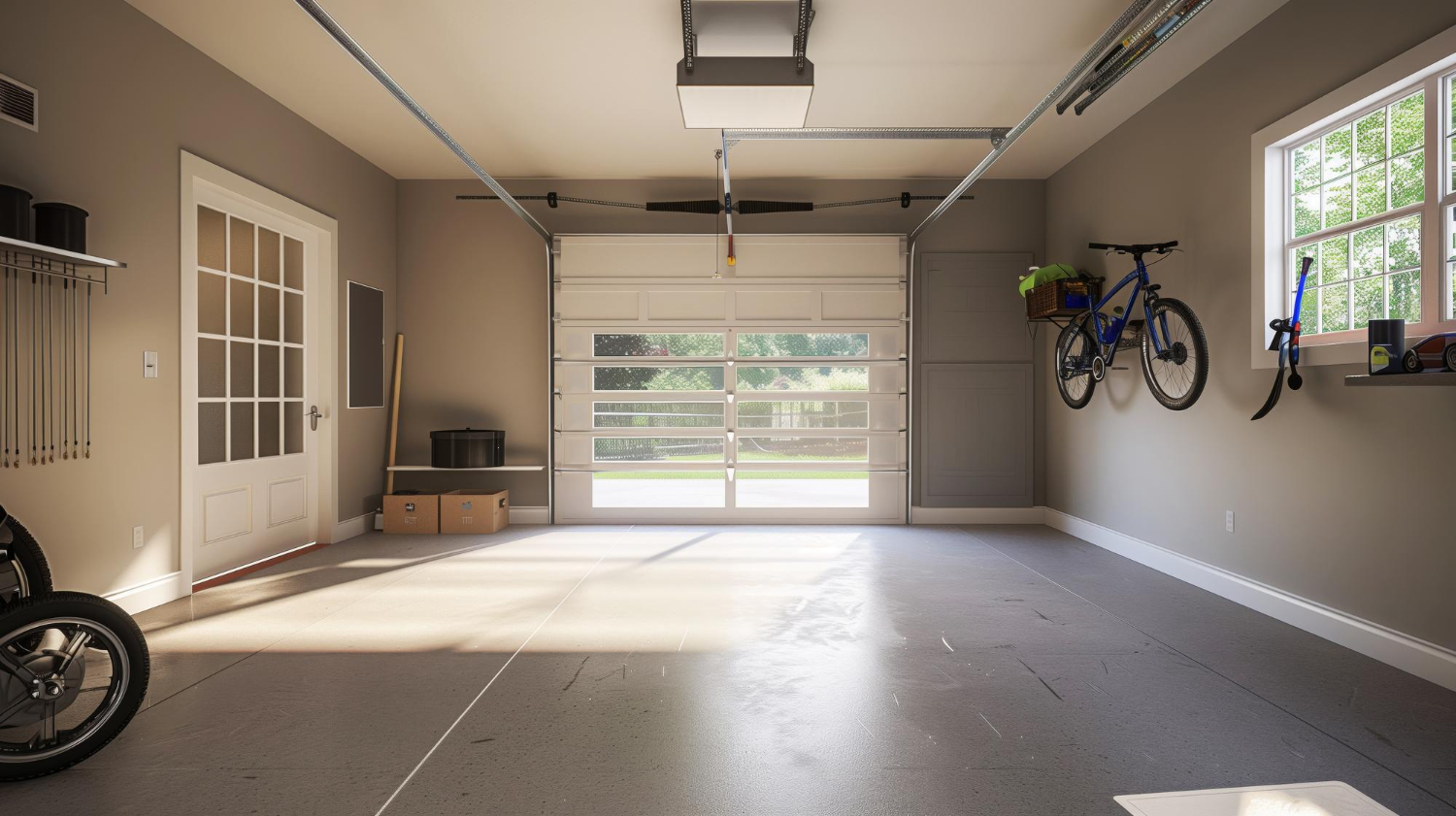
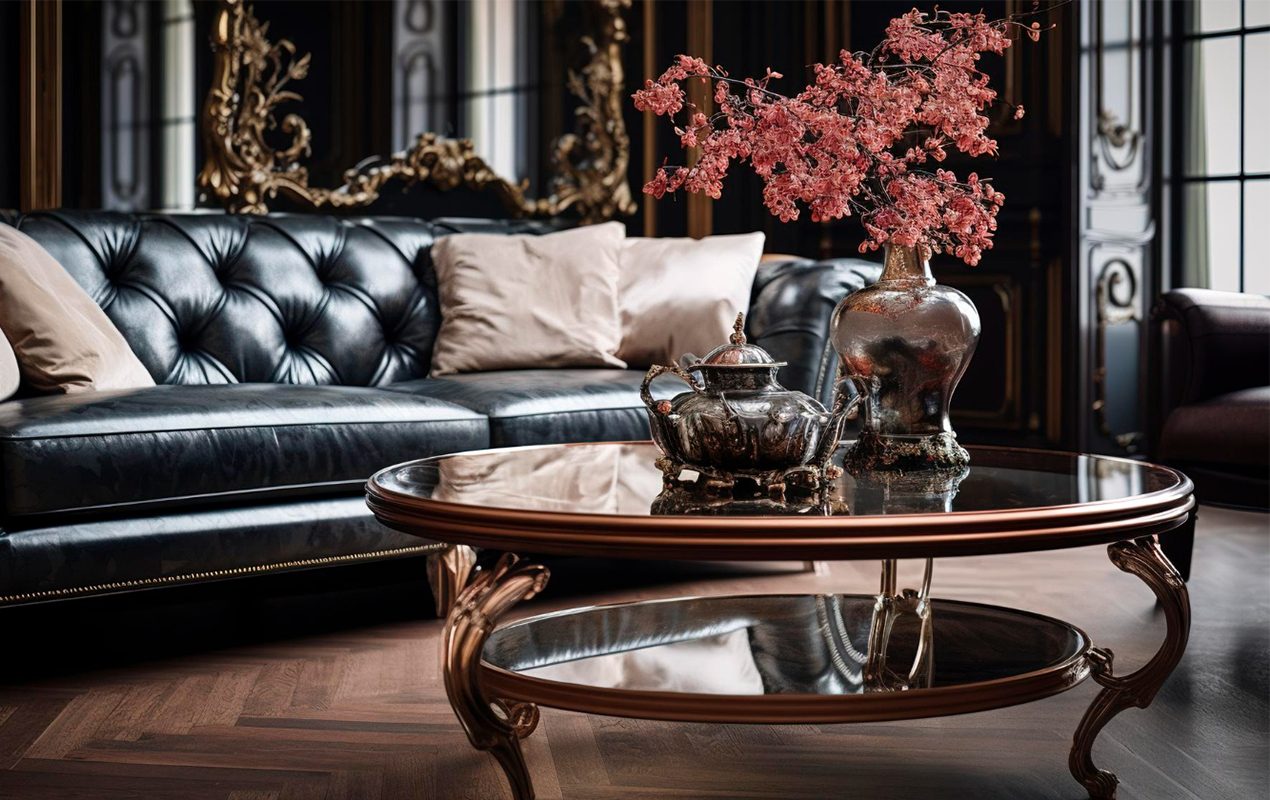

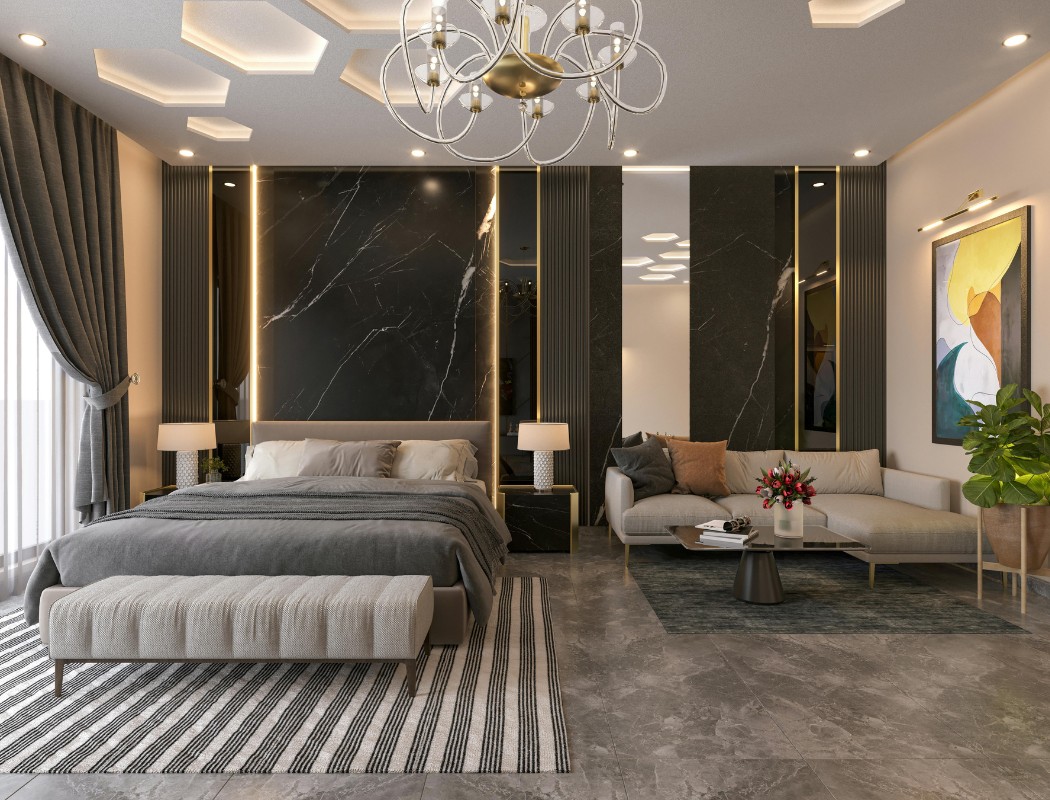
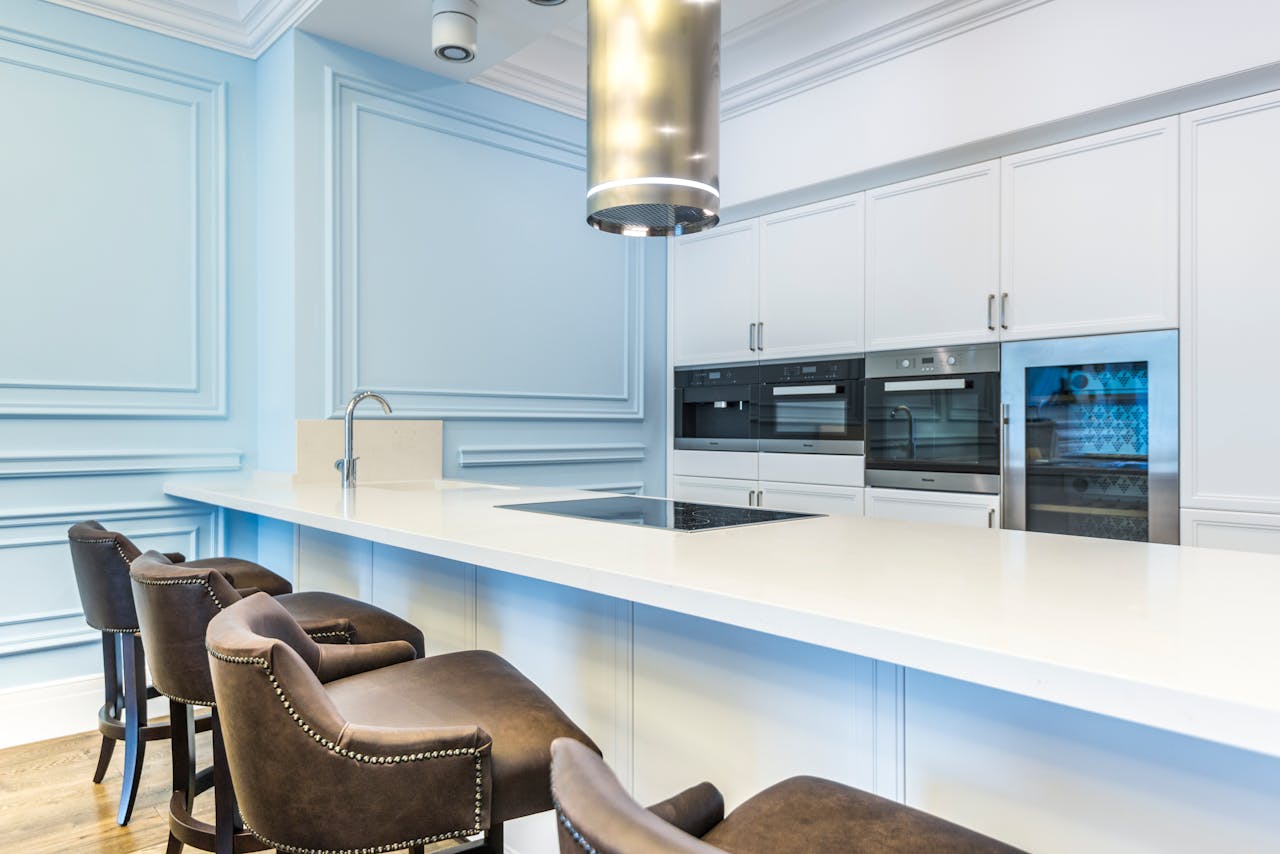
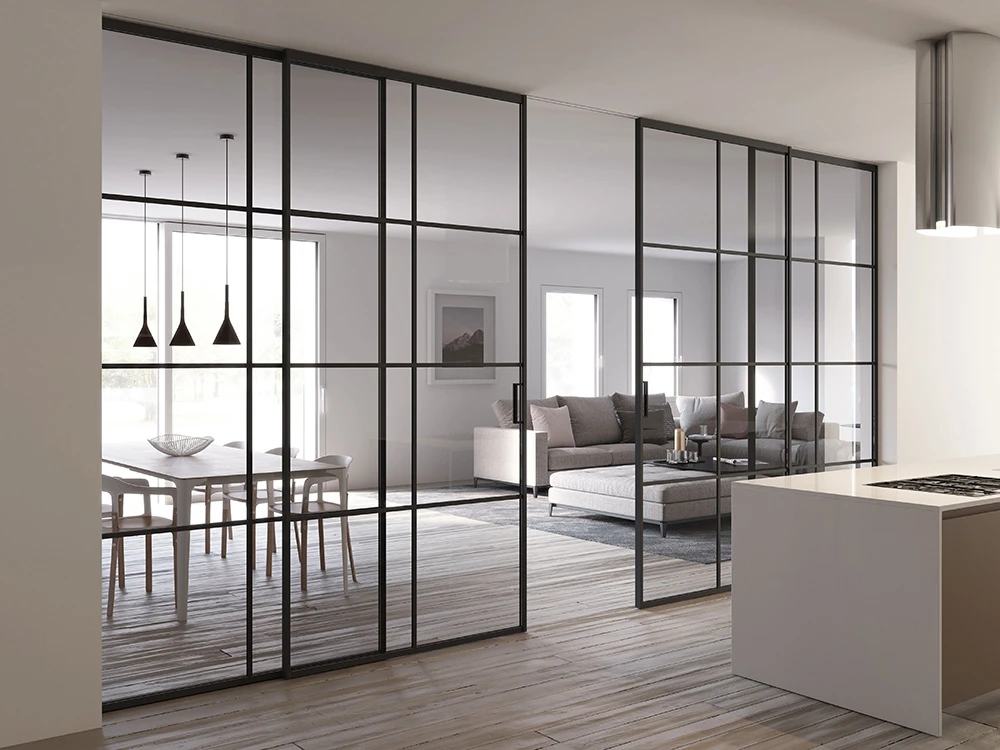
Room divider systems have become a key element of modern interior planning, especially in open-concept apartments, townhouses, and commercial spaces. Instead of building solid walls, designers and homeowners increasingly rely on flexible wall dividers that help organize space, manage privacy, and preserve light. A well-designed divider does not just split a room — it creates structure, rhythm, and visual balance while allowing the layout to evolve over time.
Today, room dividers are closely connected with interior architecture. They combine thoughtful materials, reliable hardware, and refined aesthetics, making them suitable for both residential and professional environments. This approach aligns with current design trends where adaptability and functionality matter as much as appearance.
Modern wall dividers are designed to solve practical problems without turning interiors into closed, heavy spaces. In homes, they are often used to separate living and dining areas, create a home office, or define a bedroom zone in a studio apartment. In offices and showrooms, they help structure workflow while maintaining transparency and openness.
Compared to traditional construction, wall dividers offer several clear benefits:
Because they are not permanent structural elements, wall dividers allow interiors to adapt to lifestyle changes, new work formats, or growing families. This makes them especially attractive in urban properties where space must be used efficiently.
A room divider with door is one of the most practical solutions for spaces that need occasional separation. Unlike a fixed wall, this option allows rooms to be visually and functionally connected when needed, and fully closed when privacy is required. It works equally well in residential interiors and professional settings.
Door-based dividers are available in hinged and sliding formats. Sliding doors are particularly popular because they save space and operate smoothly even in narrow layouts. Glass panels, slim aluminum frames, and neutral finishes help these systems blend naturally into modern interiors rather than dominate them.
In everyday use, a room divider with door offers a balance between openness and isolation. It allows sound reduction, visual separation, and controlled movement between zones without sacrificing the feeling of space.
Among all modern solutions, sliding room dividers are considered the most versatile. They are ideal for wide openings and areas where traditional swing doors would be impractical. Sliding systems can divide a room temporarily or permanently, depending on how often they are used.
These dividers are commonly chosen for:
Their clean lines and concealed tracks support minimalist interiors, while glass or mixed materials maintain a light, contemporary look. When opened, sliding room dividers virtually disappear, restoring the original open layout.
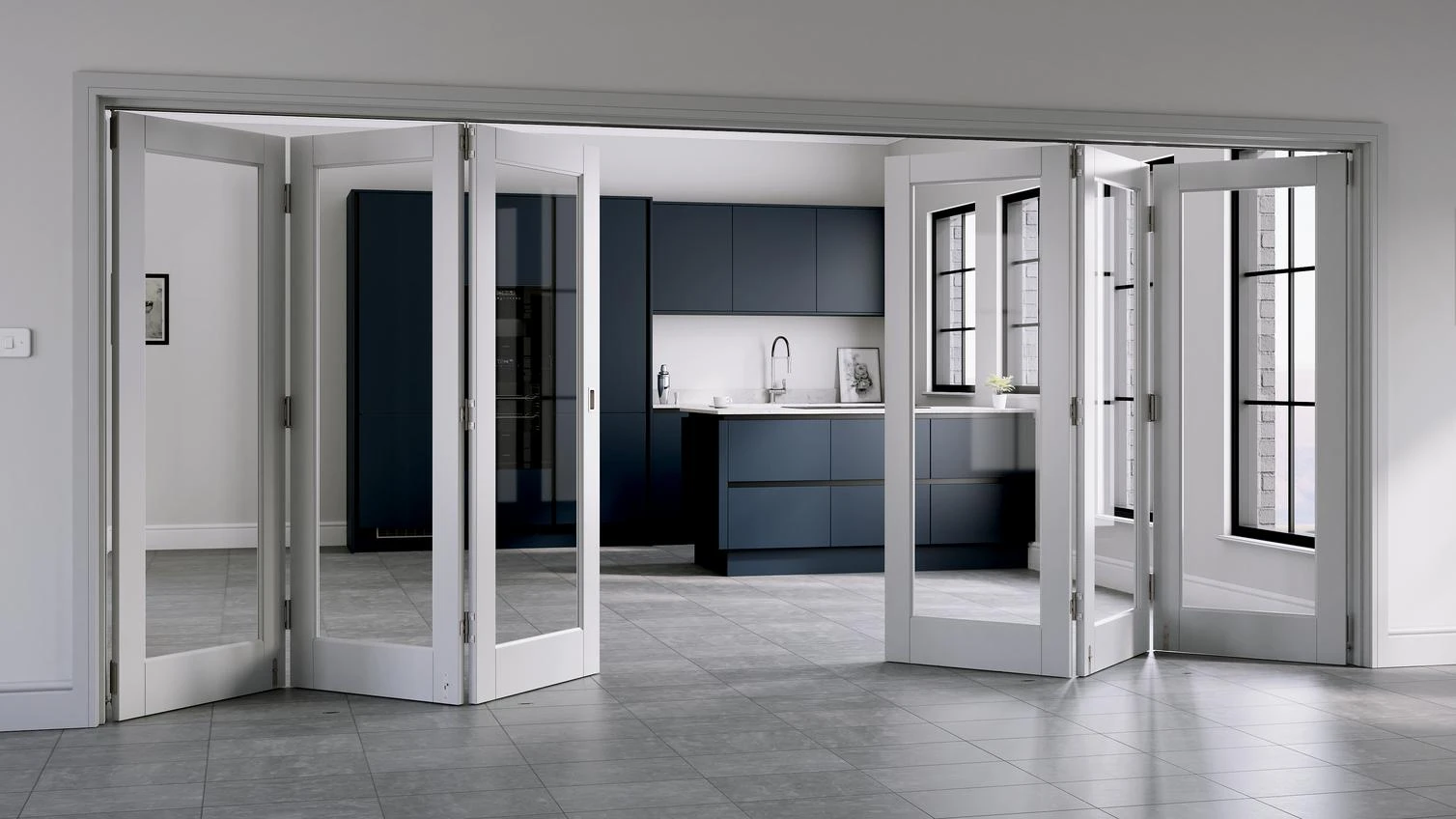
The choice of materials plays a crucial role in how a room divider performs and feels. Glass wall dividers are widely used to preserve daylight and visual connection between spaces. Wood-based panels add warmth and work well in residential interiors. Metal frames and neutral tones are often preferred in modern offices and commercial environments.
Practical considerations are just as important as design. Smooth sliding mechanisms, durable hardware, and easy-to-clean surfaces determine how comfortable the divider will be in daily use. Acoustic properties may also matter, especially in workspaces or shared living areas.
At Triodoors, clients can find a curated range of room divider solutions designed for contemporary interiors. The door store Triodoors in Toronto focuses on modern sliding systems, glass dividers, and door-integrated partitions that meet current design and quality expectations.
Selecting the right divider starts with understanding how the space will be used. A compact apartment may benefit from sliding room dividers that allow the layout to change throughout the day. Larger homes often use wall dividers with doors to create private zones without permanent construction. Offices rely on transparent solutions to maintain openness while improving focus.
A room divider should be viewed as an architectural element rather than a temporary accessory. When chosen thoughtfully, it improves comfort, supports daily routines, and enhances the overall interior concept — all while offering flexibility that traditional walls simply cannot provide.