Interior Design Mistakes That Can Sabotage a Chic Home
-
Posted by
Decorating a new home or refurbishing an old one can be an …



Decorating a new home or refurbishing an old one can be an …







So recently you’ve been cooking up plans to revamp your kitchen …


Most homeowners think about roofs, windows, and heating systems long before they ever consider what’s happening underground. Yet the systems beneath your property are often the ones keeping your home running the smoothest. At the center of that hidden network is the wastewater setup, a part of daily life that rarely gets attention until something goes wrong. That’s why understanding the role of septic systems matters, especially for households in areas like septic tanks New Hampshire, where weather and soil conditions make proper care even more important.
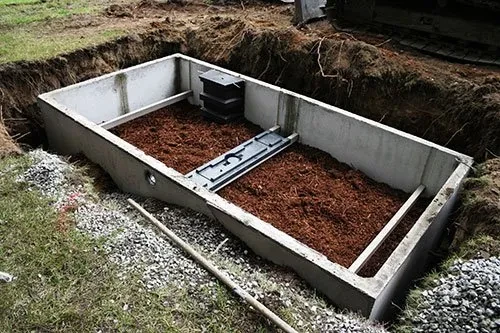
Every time water leaves your sink, shower, or toilet, it enters a cycle designed to manage waste safely without relying on city sewer lines. The tank itself separates solids and liquids, allowing bacteria to break down material naturally. Effluent then moves into the drain field, where soil filtration completes the process. When everything works correctly, homeowners barely notice it. But when the system is strained or ignored, problems escalate fast. For families relying on septic tanks New Hampshire, the freeze-thaw cycle and heavy seasonal moisture make staying ahead of issues even more essential.
A septic system isn’t a “set it and forget it” part of the property. Tanks require routine pumping, regular inspections, and smart water habits to keep everything operating smoothly. When solids build up or the drain field becomes saturated, backups can spread into plumbing fixtures and even into the yard. The cost and stress of sudden home repairs often dwarf the minimal effort it takes to maintain the system in the first place. This is especially true in regions with older properties or higher groundwater levels, common in septic tanks New Hampshire communities.
Your septic system sends early signals when something isn’t right. Slow drains, gurgling toilets, wet soil above the drain field, or strong odors near the tank all point to issues that need immediate attention. These signs show that the system is struggling to move wastewater the way it should. Catching problems early protects your property from major damage and prevents costly remediation. Because weather shifts can intensify these symptoms, homeowners in colder climates must pay close attention.
Seasons affect everything beneath your home. Heavy spring rain can overload a drain field, while winter frost slows natural breakdown inside a tank. Rapid temperature swings cause soil to expand and contract, which puts pressure on underground pipes. Homeowners in regions with harsh winters must understand how freezing temperatures impact system flow and microbial activity. Good landscaping, proper insulation, and correct tank placement all help support long-term performance.
Your septic system can only handle so much at once. When household water use spikes, the tank doesn’t have enough time to settle and separate waste. This puts pressure on the entire system. Small, consistent changes make a big difference. Spreading laundry loads across the week, fixing leaks quickly, and using low-flow fixtures all reduce strain. The less unnecessary water entering the system, the better the filtration and breakdown process works.
The drain field is more delicate than many homeowners realize. Parking vehicles on it, planting trees nearby, or installing structures can all disrupt the soil and damage pipes. Even simple things like directing gutters toward the area can overload the ground with water. A healthy drain field keeps wastewater moving and ensures the entire system stays balanced. Protecting this space preserves both the performance of the tank and the safety of the property around it.
Routine inspections and pumping give you a clear picture of what’s happening underground. Professionals check for cracks, leaks, sludge levels, and signs of early failure. They also spot issues homeowners can’t see, such as shifting soil or declining drainage performance. Regular service intervals extend the life of a septic system significantly, especially in areas where environmental conditions demand closer monitoring.
Most of what keeps your home functioning is invisible, reliable, and easy to overlook. But the peace of mind you enjoy daily depends heavily on the systems beneath your yard doing their job without interruption. Knowing how they work, what they need, and how to recognize early signs of trouble puts you in control. For households relying on septic tanks in challenging climates, taking a proactive approach keeps everything running smoothly and protects your home from avoidable surprises.
Your septic system is out of sight, but it should never be out of mind. The more you understand what’s happening underground, the better equipped you are to keep your home safe, efficient, and functioning the way it should. DeCasa Collections shares ideas for your home.