How to Budget for a Home Renovation
-
Posted by
Budgeting for a home renovation requires careful planning and a clear under...




When it comes to a new apartment, a coffee table is essential …



So recently you’ve been cooking up plans to revamp your kitchen …


To many, the white bathroom is the ultimate symbol of class and …



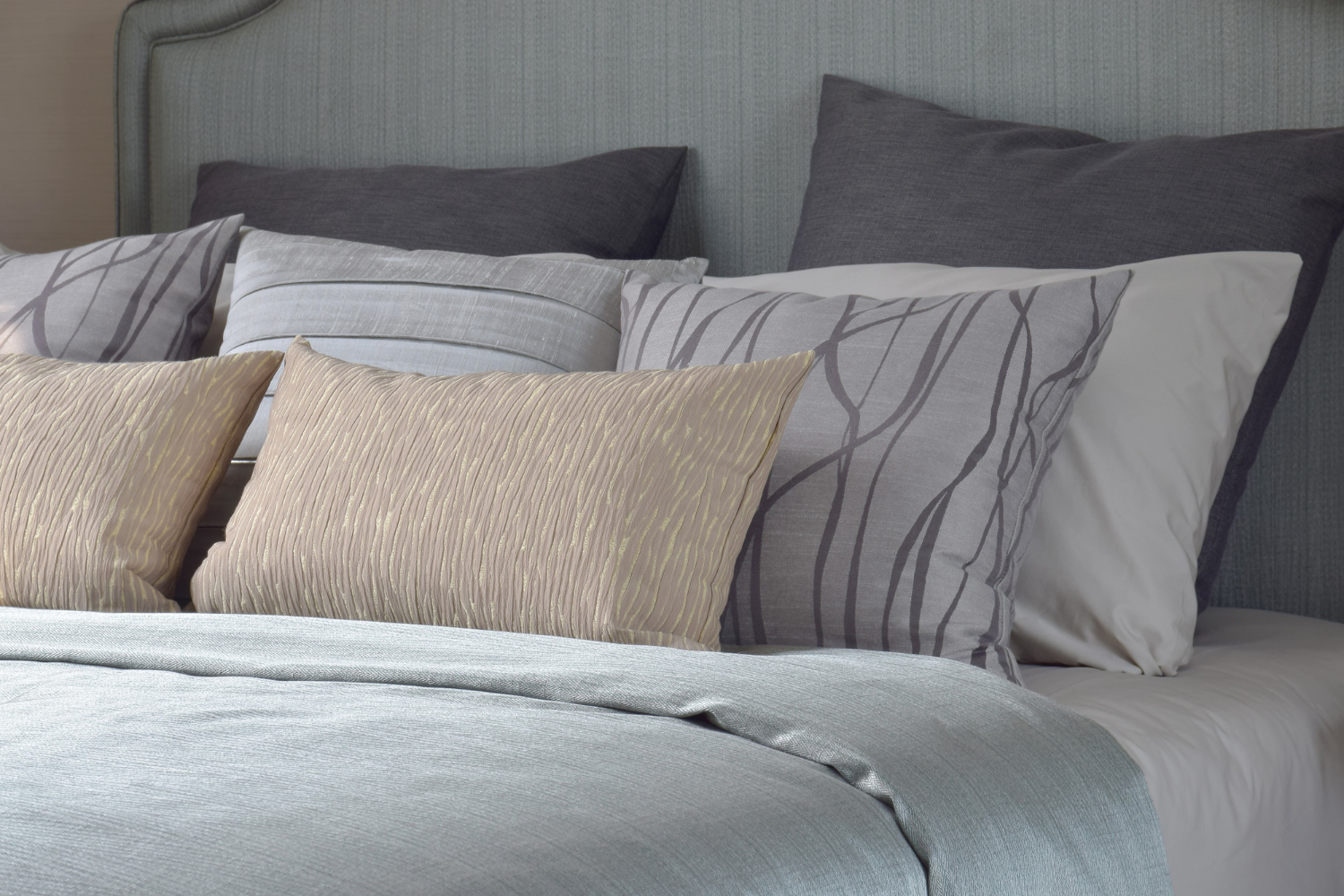
Staying cool at night is not just about cranking a fan. The right cover can help your body keep a steady temperature so you fall asleep faster and wake up rested. Natural fibers do a lot of the heavy lifting because they manage heat and moisture without trapping air.
Your body gives off heat and sweat while you sleep. The best covers pull that warmth and moisture away, then let it escape. That is why options like wool, linen, cotton, bamboo, and eucalyptus feel comfortable across seasons.
Heat moves through tiny gaps in a fabric’s weave or knit. When the structure is more open, air can circulate, and sweat can evaporate. Wired pointed out that higher thread counts are not always cooler because cramming in more yarn can choke airflow, so a balanced weave often breathes better than a heavy one.
Fiber shape, surface, and moisture behavior set the base performance. Linen has a crisp hand and strong wicking. Cotton is familiar, easy to care for, and absorbs well. Wool traps pockets of air for insulation yet can release moisture as vapor. Bamboo and eucalyptus-based fibers have smooth filaments that feel cool on the skin.
Finishing also changes the game. A sateen weave feels soft but can sleep warmer than percale. Looser textures like matelassé or waffle can lift fabric off your skin and create airflow. You can feel this difference when you move under the covers – the sheet does not cling, and heat has pathways to exit.
Regenerated cellulose fibers from bamboo or eucalyptus are known for a cool touch. Their filaments are round and sleek, so they glide across skin instead of grabbing. Many sleepers notice fewer hot spots and less clamminess during warm nights. If you prefer a plant-based set that runs cool, look for breathable bamboo bed linen as a simple swap. Pick a percale or similar balanced weave for extra airflow, and wash on a gentle cycle to keep the surface smooth. With a light quilt or duvet, this setup can handle most of the year.
Linen fibers are thick, strong, and slightly irregular, which creates micro channels for air. The initial crispness softens with washing while keeping that breezy feel. It resists sticking to skin when you sweat a little, making it go in humid weather.
Layering linen over a light blanket works well in shoulder seasons. For winter, a linen duvet cover with a wool insert balances insulation and breathability. You get warmth without the sweaty spikes that wake you at 3 a.m.
People often think wool equals hot, but bedding-grade wool is a moisture and microclimate pro. It can hold vapor inside the fiber while staying dry to the touch, then release it when the air is less humid. That keeps your skin surface in a more stable zone.
A thin wool blanket or protector under your top sheet can even out temperature swings. It acts like a buffer if your mattress is a little heat-retentive. Choose a soft, low micron option so it feels cozy, not prickly.
Cotton is everywhere for a reason. It is durable, washable, and comfortable in a wide range of weaves. For cooler sleep, aim for percale instead of shiny sateen. Percale’s matte, simple structure allows more air to move.
Quality matters, but the label does not tell the whole story. As noted in Wired’s piece on thread count, more threads do not automatically mean cooler or better. Feel the fabric in your hand, check the weight, and consider how tightly it is woven.
How you wash and dry your covers changes their performance. Over-drying can tighten fibers and reduce softness. Fabric softeners may coat fibers and decrease wicking.
Start with a breathable sheet set that suits your skin feel, then add or subtract layers by season. In summer, pair bamboo or linen sheets with a light coverlet. In winter, keep the same sheets and switch to a wool or light down duvet with a breathable cover.
Pay attention to how you feel after the first hour in bed and the last hour before waking. If you are warm early, loosen the weave or switch fiber types. If you get chilled near morning, add a thin, breathable layer rather than a dense one that traps sweat.
A small shift in materials can create a big change in sleep quality. Natural fiber covers work with your body, not against it, helping you stay in that just-right zone through the night. Pick your fibers with airflow and moisture in mind, and let the layers do the rest.