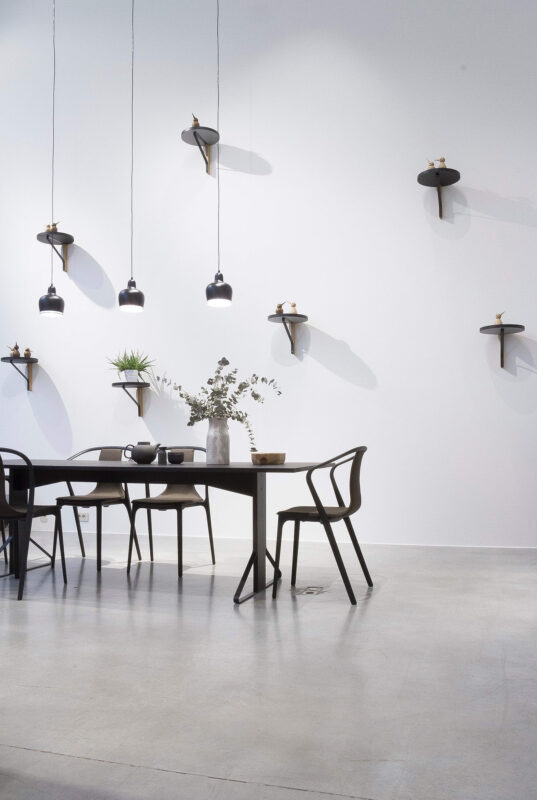
Stainless Steel Wall Mount Shelf vs Overshelf: Pros, Cons, and Key Differences
-
Posted by
Shelving is a cornerstone of any kitchen, restaurant, and industrial organi...




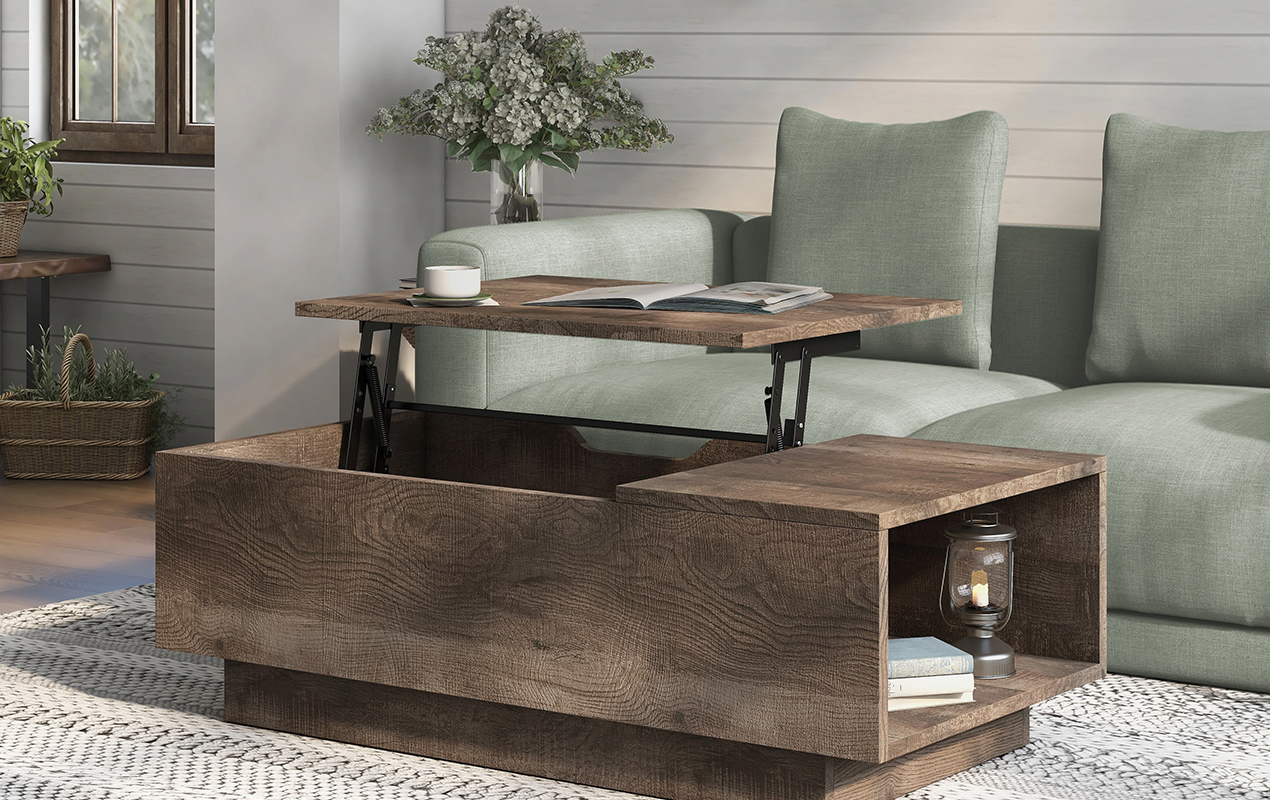


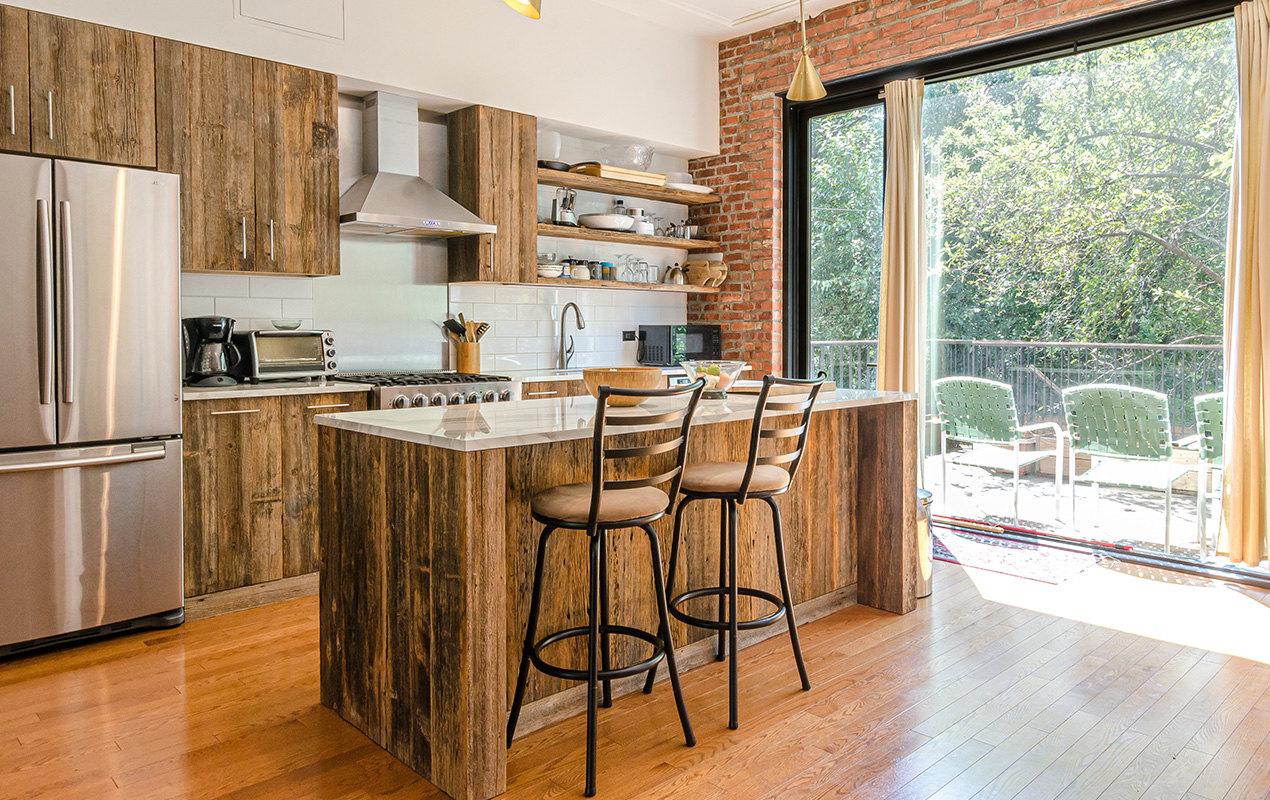
Dreaming of new kitchen island ideas? Just imagine the …
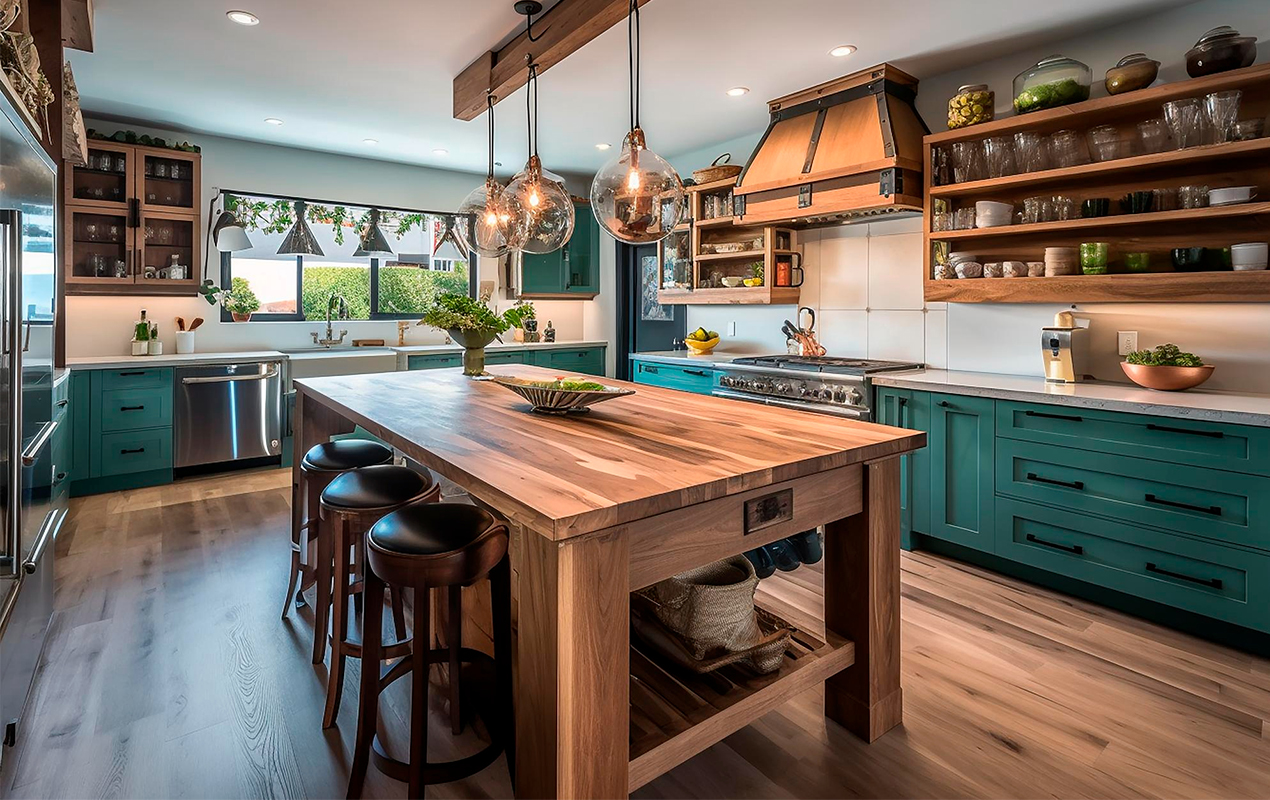
Rustic Kitchen Island designs are the epitome of character, which provides …
Every home has its own mix of climate, materials, and living patterns. The best upgrades start with noticing how your spaces perform day to day.
This guide breaks your home into key parts so you can ask the right questions. Use it to focus your budget, plan upgrades, and avoid regret.
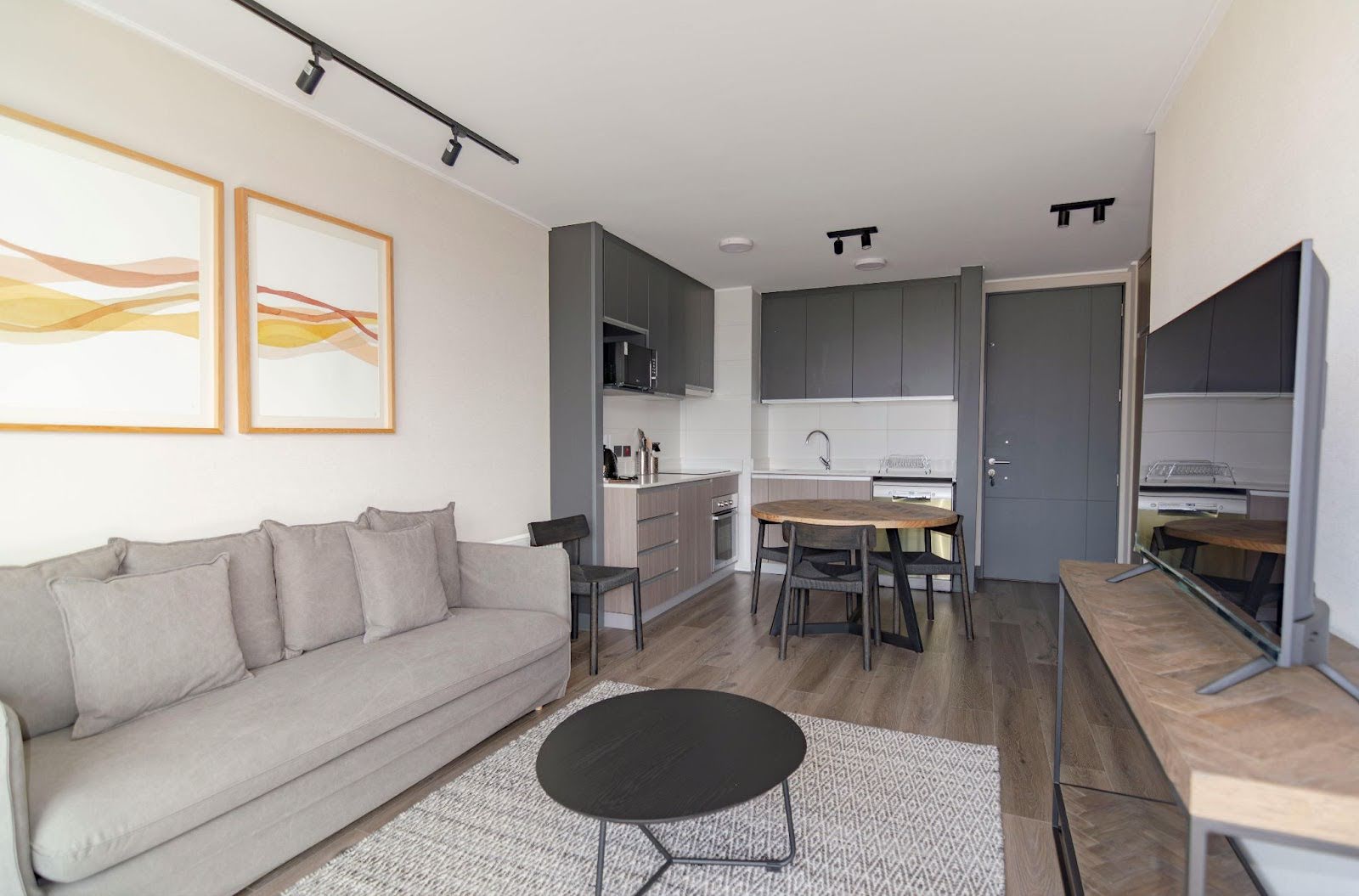
Begin by mapping your sun paths. Which rooms overheat in summer and which stay cold in winter? Track where wind enters, where shade falls, and how your roof and eaves help or hurt.
Tie these notes to the room use. Morning light suits kitchens and studies, while hot west sun needs shading and better glazing in living zones. Small changes in layout or shading can unlock comfort.
Think of your home as a system. Orientation, window placement, and insulation all shape how hard heating and cooling must work. A university briefing noted that energy efficiency improves with smart orientation, good insulation, and well-chosen double glazing.
Write down what works today and what does not. This simple record will guide later choices and stop you from overbuilding or missing obvious wins.
Windows affect temperature, noise, and safety. List the rooms that need clear views, those that need privacy, and those that need airflow. Add notes about tricky spots like narrow side paths or high windows over benches.
Match opening styles to use. Sliding windows save space in tight areas, and tilt options can vent during light rain. If you want to explore frame and glass choices in more detail, click here or visit any other reputable website to compare how designs handle drafts, seals, and security.
Glazing is more than a single choice. Think about solar gain, glare, and local noise. Acoustic or laminated glass can calm busy streets, while low solar-gain glass can help west-facing rooms.
Do not forget shading and seals. External shade, snug weather strips, and well-sized openings often deliver quick comfort gains without heavy mechanical cooling.
Your thermal envelope is the shell that keeps comfort in and weather out. Check ceiling, wall, and floor insulation levels against current guidance. Look for gaps, compressed batts, or missing sections around downlights and hatches.
Air leakage can undo good insulation. Test for drafts with a simple incense or tissue check on windy days. Pay attention to door frames, window latches, and old exhaust fans.
Plan upgrades as a set. It is better to seal obvious leaks, top up insulation, and fix window seals together than to replace a heater first. This reduces the size and cost of future mechanical systems.
Add shading where it matters. Deciduous plants, awnings, and adjustable blinds help you fine-tune heat gain across the seasons.
Fresh air supports health and protects your building from moisture. Natural cross ventilation is great, but it needs secure openings and insect screens so you actually use it. Bathrooms and kitchens need reliable extraction.
Check the ventilation rules that apply to your project. The standard outlines how mechanical ventilation should support indoor air quality and safety. Use it to guide fan sizing, duct routes, and control settings.
Right-size your fans. Oversized fans are noisy and waste power. Undersized fans let steam and smells linger. Choose quiet models with clear flow ratings and install them with smooth ducting and backdraft dampers.
Think about controls. Timers and humidity sensors keep air moving long enough to dry surfaces. In airtight homes, a balanced system with heat recovery may be worth the cost.
Moisture problems hide in corners and cupboards. Look for peeling paint, musty smells, or dots of mold on ceilings. Check behind furniture against external walls after cold nights.
Tackle the sources. Improve extraction in wet rooms, fix gutter leaks, and add subfloor vents if needed. Keep wardrobes off cold walls and leave space for air to move.
Upgrade surfaces that see heavy use. Wet area paints, sealed grout, and moisture-resistant cabinetry last longer. Good detailing at window heads and sills helps manage condensation.
Use simple habits to help build. Lids on pots, doors closed while showering, and short boost runs on fans all reduce indoor humidity and protect finishes.
List every large appliance and its age. Old fridges and resistive heaters can drain power. New induction cooktops and heat pump hot water cut bills and reduce indoor heat load.
Map your switchboard. Label circuits, check safety switches, and note spare capacity. If you plan solar or a battery later, leave room for it now with a tidy board and conduit paths.
Use a staged plan. Replace the worst performers first, then align other swaps with end-of-life dates. Smart plugs and thermostats help you measure and learn before you commit.
When choosing what to do next, a quick checklist helps:
No single home is typical. By mapping your climate, envelope, and daily patterns, you can target upgrades that do real work. This reduces wasted spend and improves comfort in the rooms that matter most.
Start small, learn fast, and build in stages. With a clear plan and good notes, each step will bring your home closer to what you need.