Facade siding – Everything You Need to Know About Exterior Siding
-
Posted by
Facade siding is a popular and practical exterior finishing method that ori...








Put simply, your home should be a safe space for you to find refuge in …
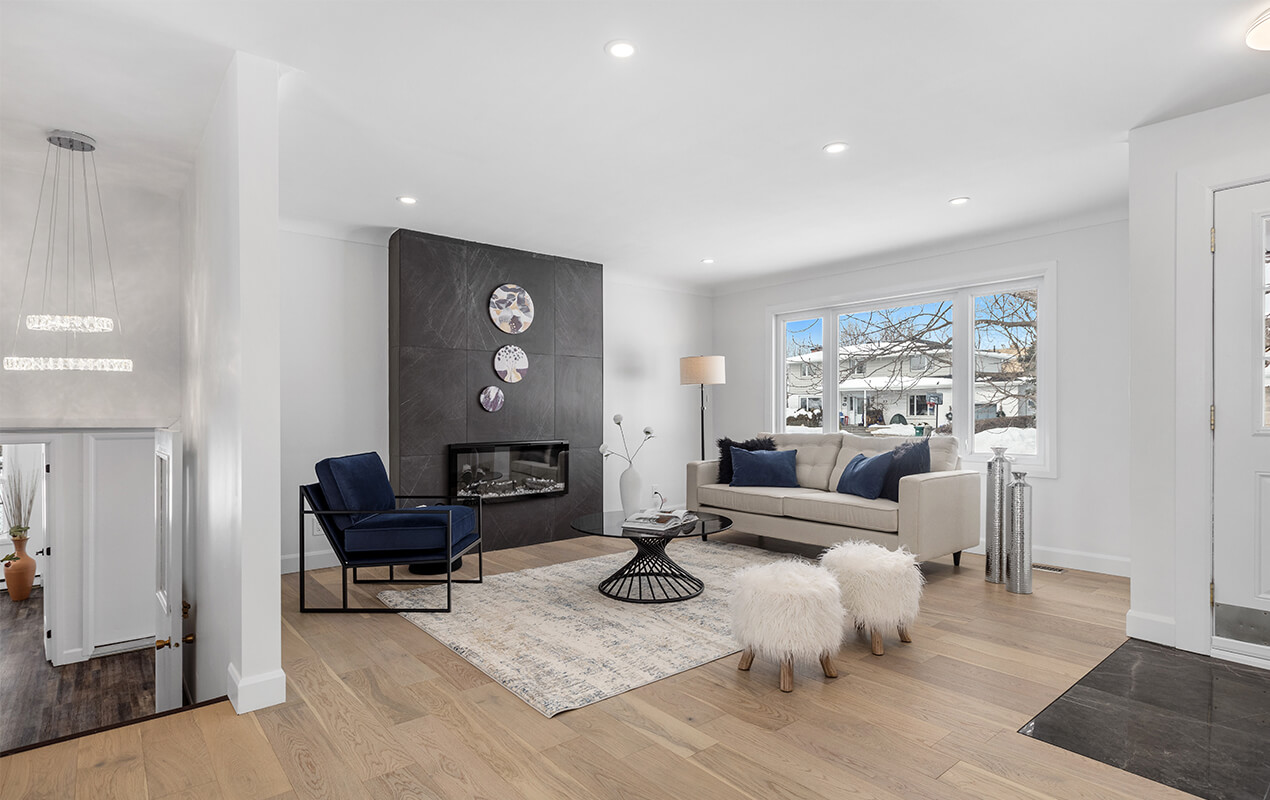
Also called a show home or display home, a model home is something …

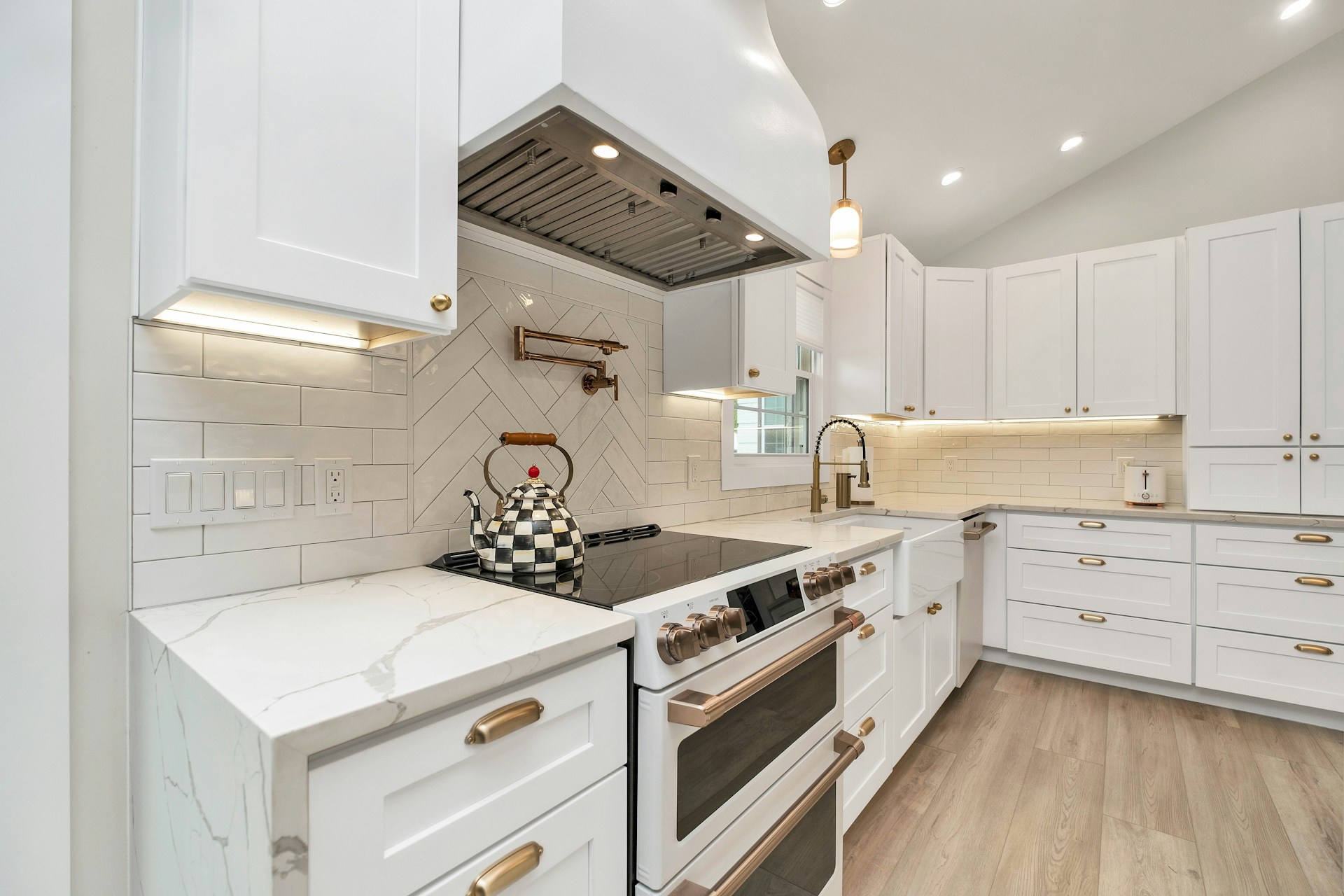
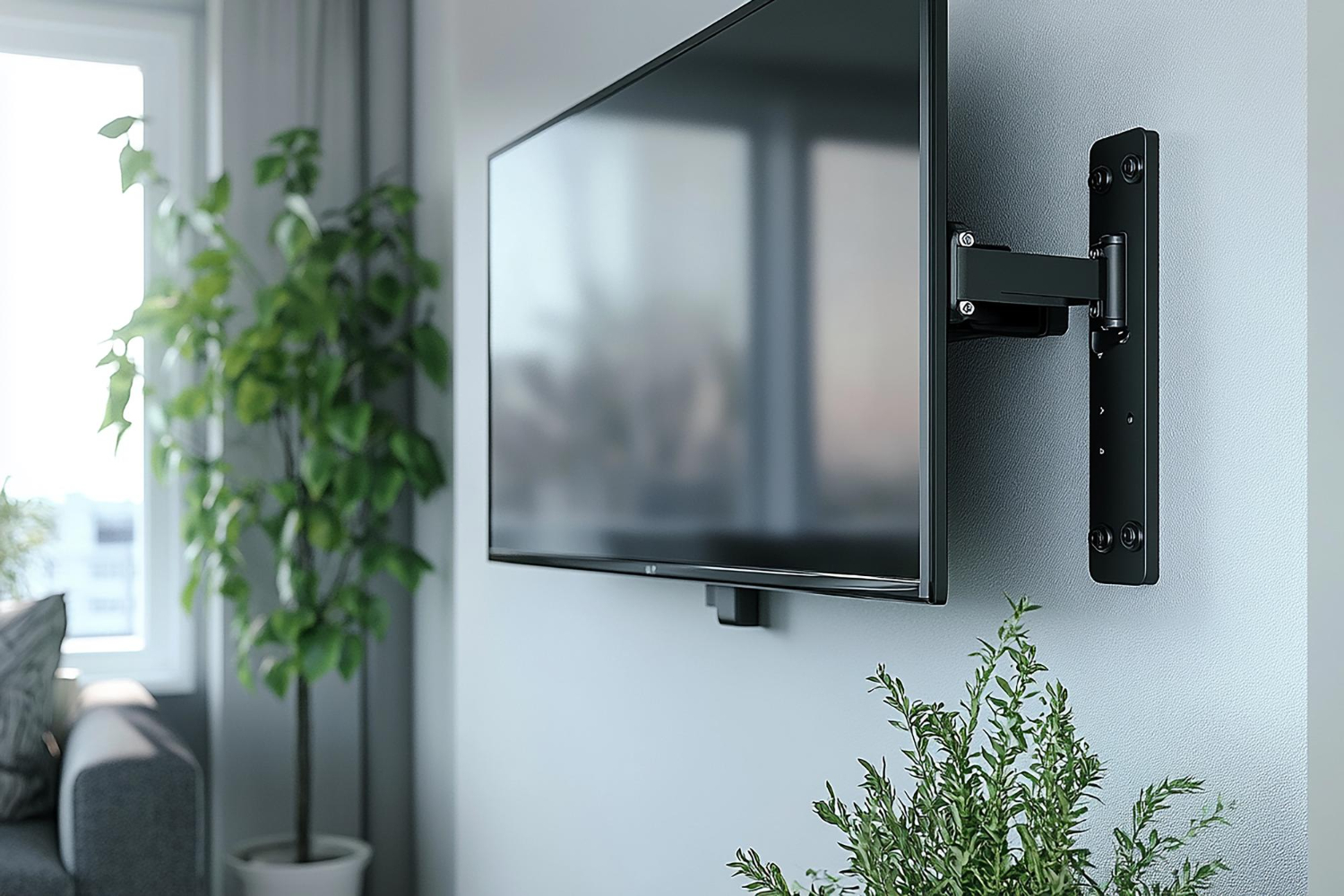
Motorized motion has quietly become a home upgrade, as familiar as new lighting or shelving. Hidden lifts raise TV panels from sideboards, toe-kick drawers glide out on cue, and vent windows crack open to cool a room without touching the thermostat. The part that turns intent into movement is the linear actuator – a compact drive that pushes or pulls on a straight path. Choosing well saves noise, space, and money, while making projects feel polished rather than improvised.
The following framework keeps selection practical for interior, furniture, and light-duty projects. Start with the job, translate it into a few core numbers, and match those numbers to a model that fits the space. Good motion looks effortless because the planning did the hard work.
Begin by describing the movement as a sentence: “Lift a 35 lb lid by 10 inches,” or “Slide a 12 lb panel 18 inches.” From there, the category becomes obvious. Push–pull applications with straight travel typically call for electric actuators – they’re clean, compact, and easy to control with simple switches or remotes. Rotary motors and belt drives have their place, yet linear actuators shine when space is tight and loads must pause precisely without drifting.
Two clarifying questions help right away. Does the project need to hold a position when power is off? And will it move a few times per day or hundreds? Holding without drift indicates that the mechanism or model is equipped with self-locking features or brakes. Frequent cycling favors higher duty cycles and improved heat management, ensuring consistent performance.
Spec sheets can feel dense, but only a handful of numbers decide daily comfort and reliability:
If you want to buy linear actuator hardware for checkout, it is better to order one unit first for a cardboard mock-up. A quick dry fit will reveal hidden clashes with hinges, cable runs, or trim.
Elegant motion starts with clean geometry. Align the actuator’s force with the direction of travel – misalignment causes binding and noise. Clevis mounts at both ends allow slight rotation as the mechanism moves, which reduces side loading. For lids and flaps, place the lower mount, so the line of action passes comfortably through the load’s center of gravity during the toughest part of the lift. Small changes in anchor points often cut perceived effort in half.
Control should be as simple as the task. Momentary rocker switches provide intuitive “up–down” behavior. For multi-position stops, select a controller with presets and current sensing to protect the drive at the end of the stroke. Synchronizing two actuators on a lift eliminates racking – models with built-in feedback or matched control boxes maintain panel levelness even when loads are uneven.
Well-behaved motion stays safe by design, not by luck. Anti-collision features detect spikes in current and stop the drive before fingers or fabric get pinched. Limit switches prevent overtravel; they should be factory-set or easily adjustable in the field. In spaces with children or pets, a short press-and-hold requirement reduces accidental activation. For window or vent projects, plan for a manual override, so ventilation isn’t dependent on electricity.
Longevity follows a few habits. Keep wiring runs short and secure with strain relief near moving joints. Use flexible conduit or fabric sleeves where cables bend. If the project cycles often, specify a duty cycle that leaves headroom – heat is the enemy of quiet performance. A light, periodic wipe to remove dust from exposed shafts and a quick check of mounting bolts keep mechanisms silent for years.
The best projects blend into the room’s rhythm. Popular examples include TV lifts concealed in credenzas, appliance garages that rise at a tap, and toe-kick drawers that maximize galley kitchens. Window automation adds comfort without visual clutter, and bench storage that glides open makes small bedrooms feel more generous. In workshops, actuators handle out-feed tables, tool hoods, and camera sliders – tidy upgrades that make it easier.
Designers often prefer shorter, stronger strokes over long ones because they simplify cabinetry and improve stability. A precise 6-10 inch travel can transform a space without inviting wiring spaghetti or complex linkages.
Ordering becomes straightforward when choices are written down before adding to the cart. Match the list below to your plan, and the rest falls into place:
Clear notes help support teams recommend the right accessories – brackets, power supplies, or controllers that spare extra trips to the hardware store. Quality vendors publish drawings, wiring diagrams, and support contacts, which shortens build time and reduces guesswork during installation.
Electric linear actuators make small spaces more capable when selection stays grounded in the job to be done. Define the movement, size with a margin, design clean mounting geometry, and keep control simple. With those steps in place, projects deliver the quiet confidence that separates a quick hack from a lasting upgrade – motion that looks intentional, works every time, and fits the room as if it were always meant to be there.