The Perfect Pairing: Kitchen Styles and Interior Design Trends
-
Posted by
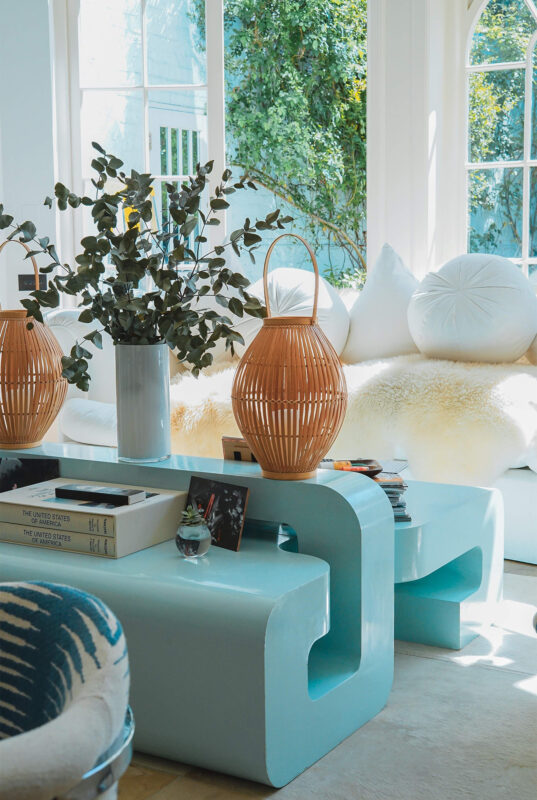
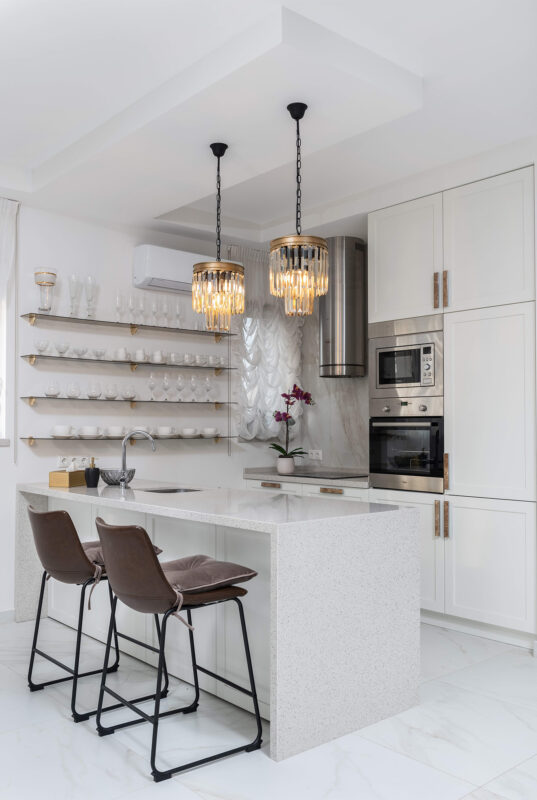
The kitchen has evolved from its simply functional role, becoming the hub o...



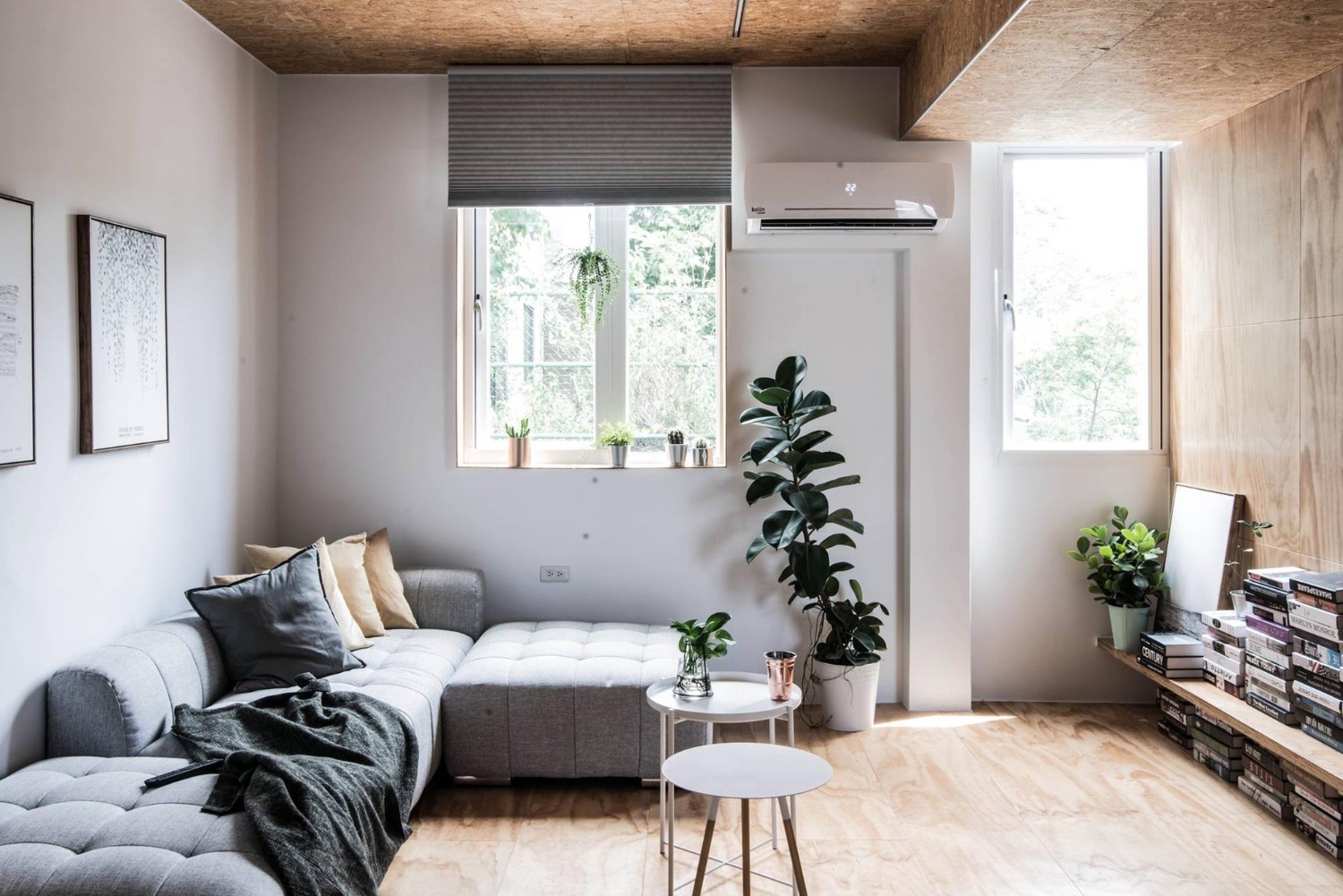

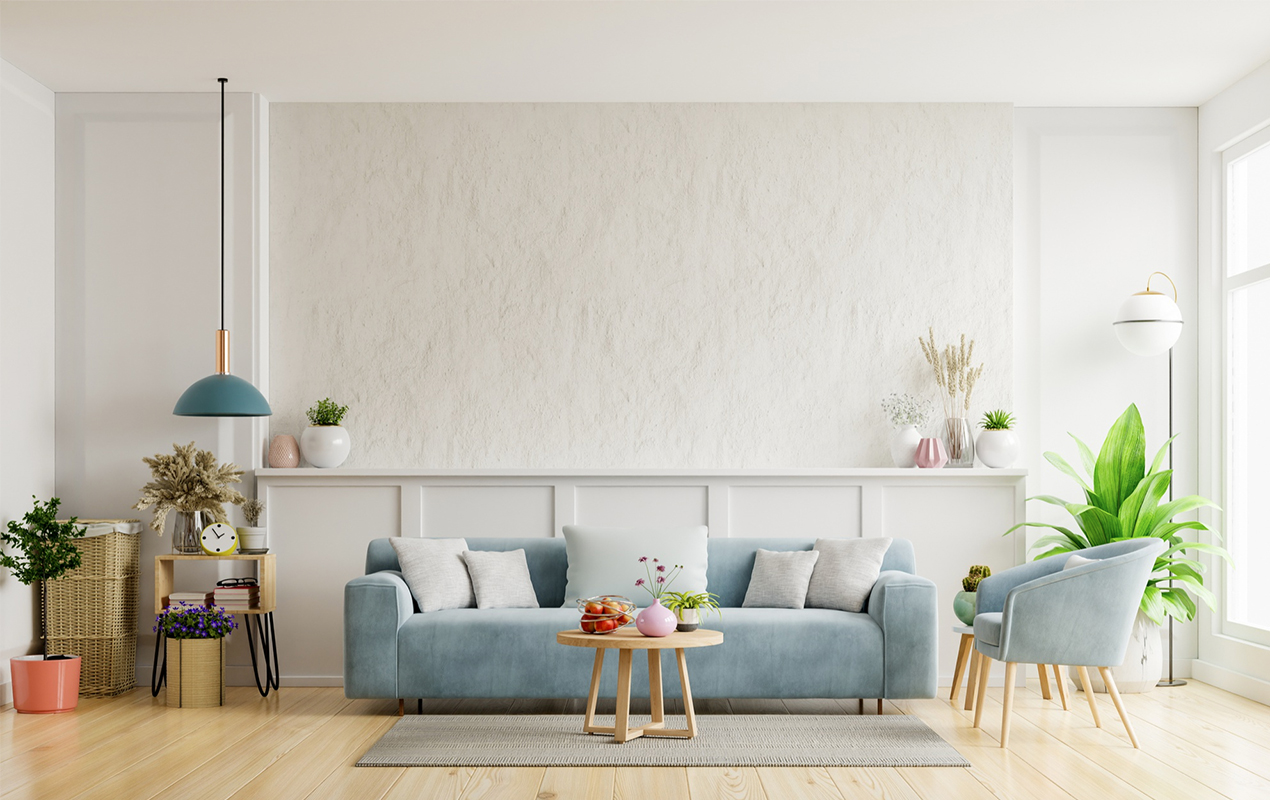
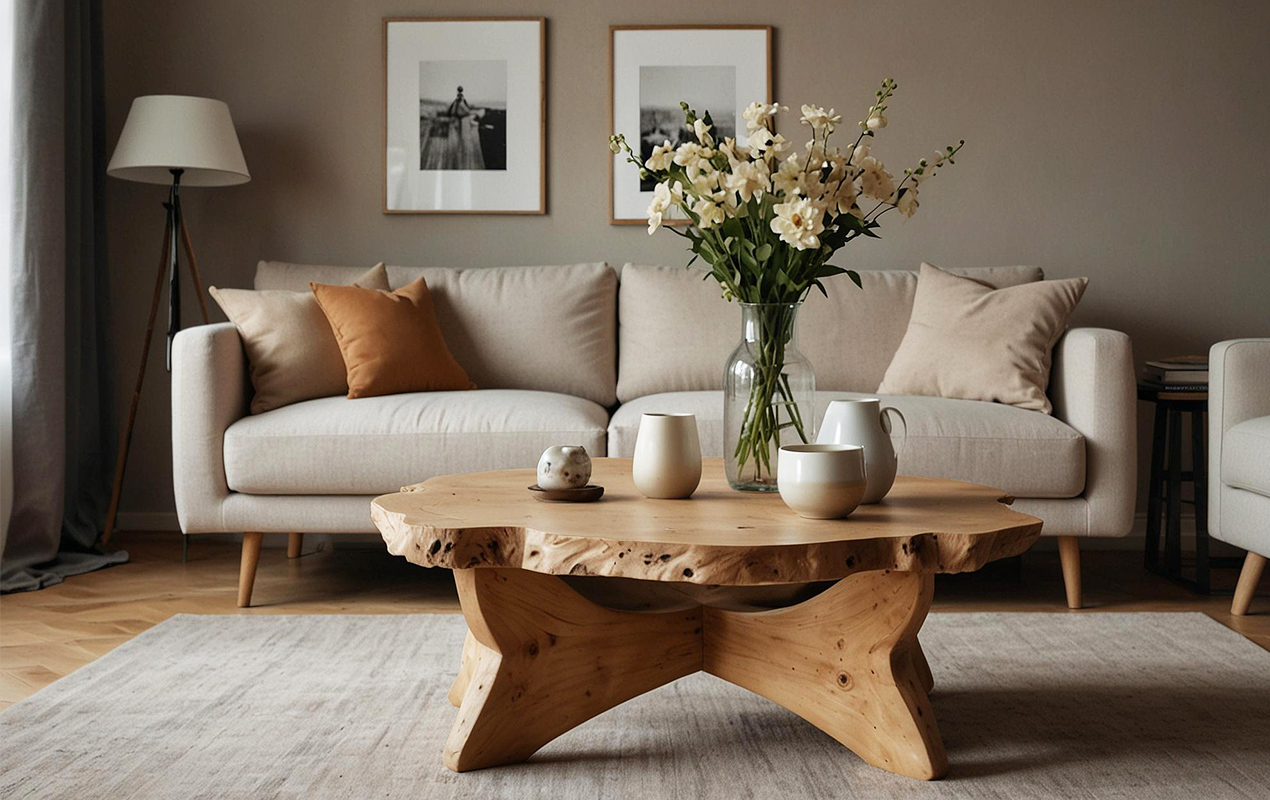
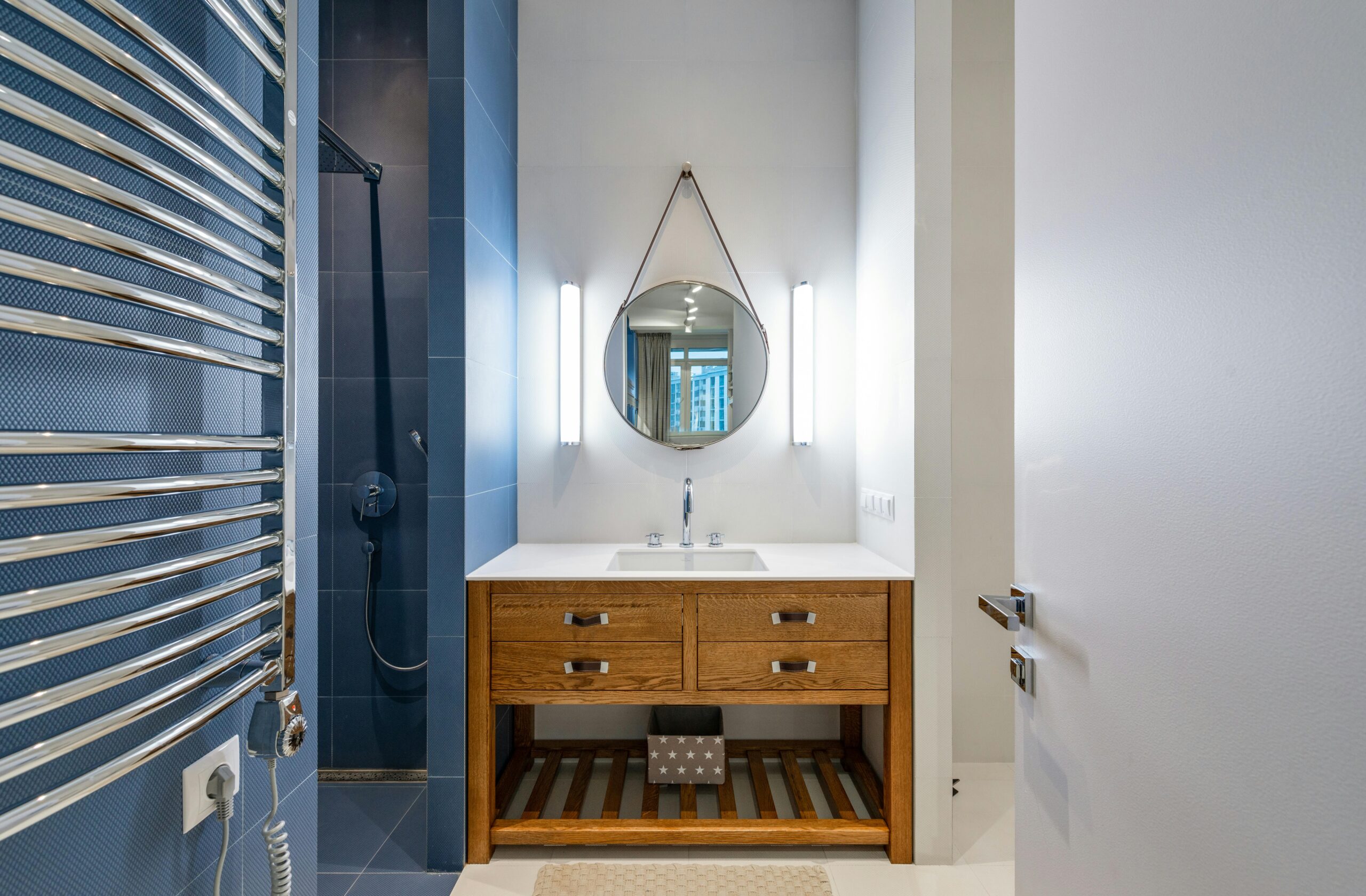

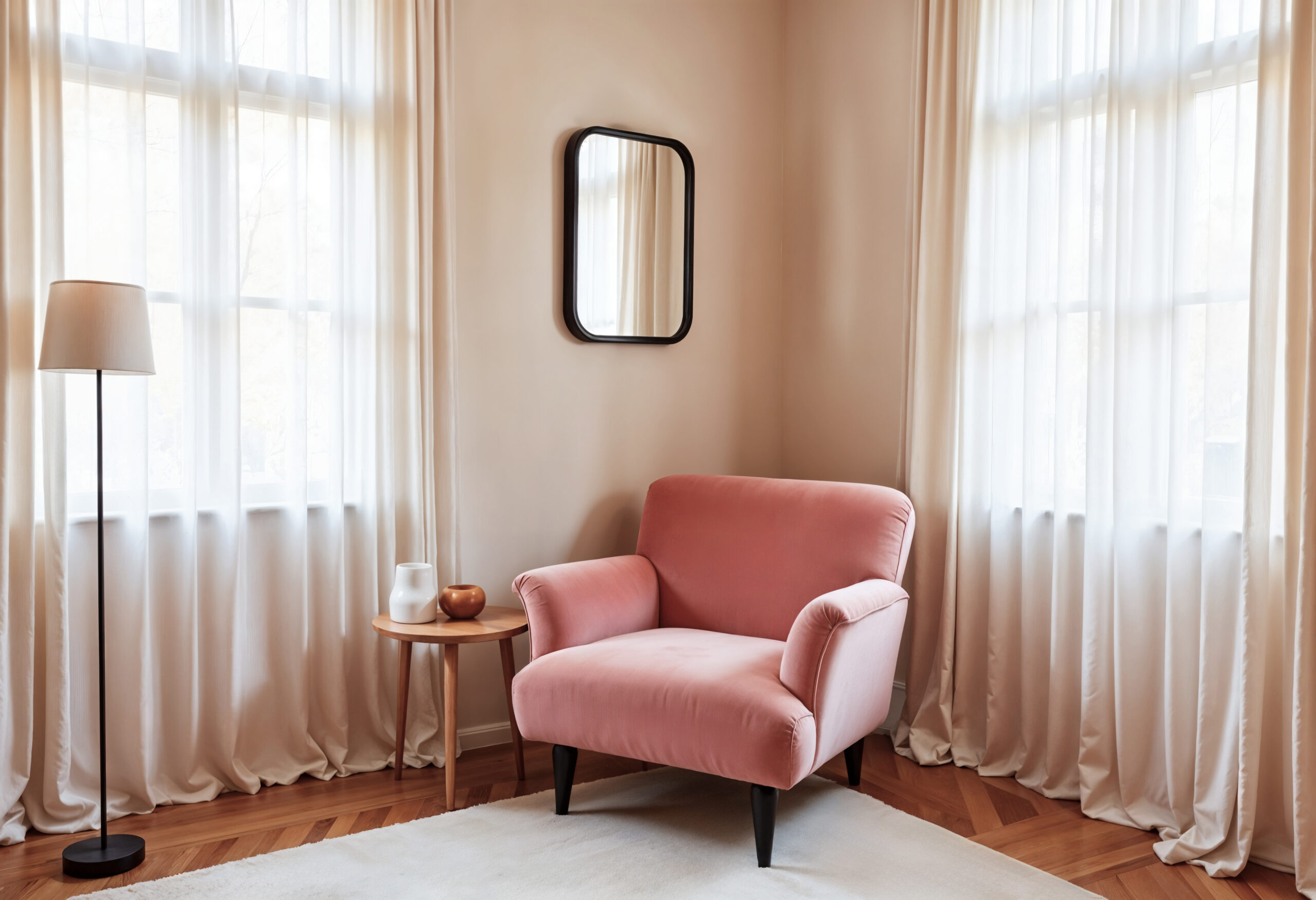
Custom curtains work best when they solve a room problem, not just a window problem. The right choice can make a ceiling feel taller, balance a sofa wall, soften hard lighting, add privacy, and make a rug or wall color feel more deliberate. Start with the whole room, then choose the fabric, size, header style, and lining that support that plan.
Curtains create lines in a room the same way trim, bookcases, and built-ins do. A rod mounted close to the ceiling pulls the eye upward, while a wider rod lets panels stack off the glass so daylight is not blocked when the curtains are open.
A beautiful fabric can still look unfinished if the panels barely cover the window, stop several inches above the floor, or crowd the trim when opened. A simpler fabric can look more considered when the height, width, and finished length match the wall.
Decide first whether the curtains need to move every day. Stationary panels can be narrower because they only soften the window and frame the view. Operable panels need enough width to close fully and enough stack-back to clear the glass.
Treat windows as one feature when they sit close together or share one wall zone. Separate them when furniture, radiators, door swings, or uneven trim would make a single rod look forced.
Rod height changes the room before the fabric does. Mounting the rod higher than the frame helps the window read as part of the wall, especially in rooms where short panels visually compress the space.
Rod width controls both style and daylight. Extending the rod beyond the window gives panels a place to rest when open, which keeps fabric from covering the glass and makes the window look wider.
Finished length is where small errors become visible. A slight float above the floor is practical in busy rooms because the hem stays clear of dust and vacuuming. A floor kiss looks tailored because the panels visually connect the ceiling line to the floor. A puddle should be reserved for low-traffic spaces because extra fabric needs arranging and collects more debris.
For windows that are extra wide, unusually tall, or difficult to style with ready-made panels, custom curtains can help the room feel more intentional while improving privacy, proportion, and light control. The value is the ability to coordinate width, length, lining, header style, and panel setup around one wall.
Curtain color should answer one design question: should the window blend into the room, connect existing colors, or become a focal point?
Blend curtains with the wall color when the room needs height, calm, or less visual clutter. This works well when the sofa, art, or rug already carries the main color story. Choose a tone slightly lighter or darker than the wall if an exact match would look flat.
Pull a secondary color from the rug, artwork, or throw pillows when the room feels disconnected. A muted blue from a rug, a warm neutral from a patterned textile, or a soft green from artwork can make curtains feel related without matching every item.
Use contrast when the window should anchor the room. Darker curtains can look sharp behind a light sofa, while patterned curtains can add energy when the upholstery and walls are quiet. North-facing rooms, shaded apartments, and spaces with heavy rugs usually need lighter fabric, sheers, or restrained fullness so the window does not feel too heavy.
Lighting changes color more than most swatches suggest. Test fabric beside the wall and sofa in daylight, then again under evening lamps. Warm bulbs can make beige, cream, rust, and olive feel richer; cool daylight can make gray, blue, and white feel crisper or colder.
Living room curtains need scale because the window competes with the largest furniture pieces. If the sofa is broad, the panels should not look narrow by accident. Use enough fabric to create real folds, and choose a rod span that frames the seating area instead of only the window trim.
Sheers soften glare and keep daylight moving through a living room, but they do not provide strong nighttime privacy on their own. Lined or heavier panels give more privacy and reduce glare from bright windows, especially near a TV or reading chair.
Bedroom curtains should begin with privacy and light control, then move to color. A pale sheer can look beautiful in the morning and feel too exposed at night. If streetlights or neighboring windows are concerns, choose an opaque fabric or lining before deciding whether the color should match the bedding or rug.
Dining room curtains should look vertical and polished without interfering with chairs, serving paths, or sideboards. A floor kiss works when the table area has enough clearance. A slight float is better when chairs scrape close to the wall, pets move through the space, or the floor is uneven.
Wide windows need enough total panel width to close without turning flat and enough stack-back so fabric does not block a large section of glass. Two panels usually operate more cleanly than one oversized panel when the window or sliding door is used often.
Tall windows need exact finished length because the vertical line is the main design feature. A curtain that stops too high can make the wall feel unresolved, while extra fabric can look heavy in a casual or high-traffic room.
Awkward windows need a layout decision before a fabric decision. A corner window may need an asymmetrical panel setup. A window behind a sofa may need stationary panels. A window near a radiator, built-in, or door swing may call for a shorter treatment or a shade.
Use one continuous rod or track when grouped windows read as one architectural feature and there is enough wall space for panels. Use separate treatments when the gaps between windows are wide enough to show wall color, artwork, or furniture placement.
Check the practical specifications in this order: rod or track span, finished length, panel fullness, header style, lining, stack-back, and furniture clearance. A good curtain plan should work when the panels are open, closed, and half drawn.
Then check the visual relationships. The curtain color should relate to the wall color, sofa, rug, wood tone, or artwork. The fabric weight should match the room’s daylight and furniture scale. Cleaner pleats read more tailored, while simpler soft-top styles read more relaxed.
Before placing a custom order, use measurement support, swatches, visualization, or a design-service review to reduce the two biggest risks: wrong size and wrong color. Measure from the planned rod or track position because moving hardware up or wider changes the finished length and panel width.
The best curtain choice is the one that makes the window, furniture, light, and wall feel planned together. If one detail still feels off, fix the proportion first, then the fabric, because the right size and placement make every material look more intentional.