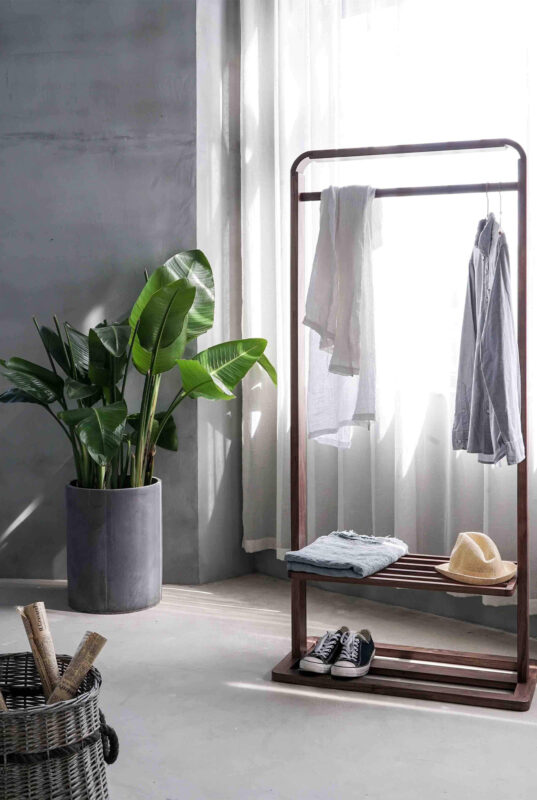
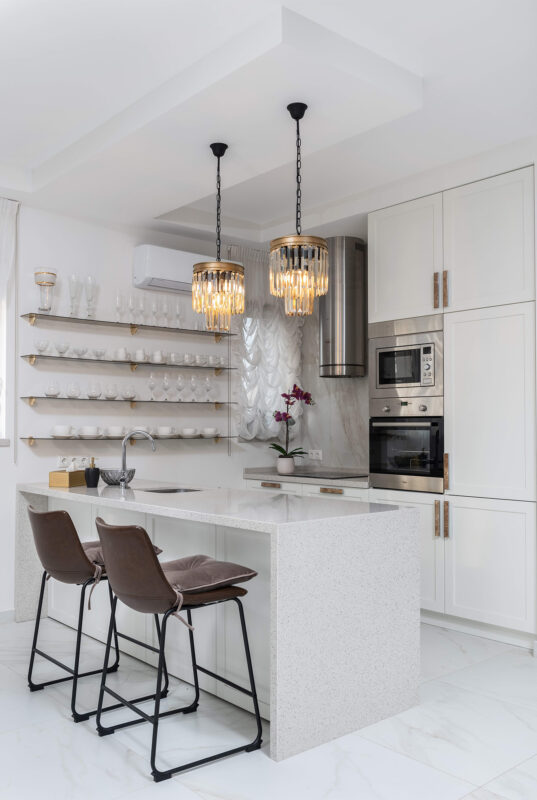
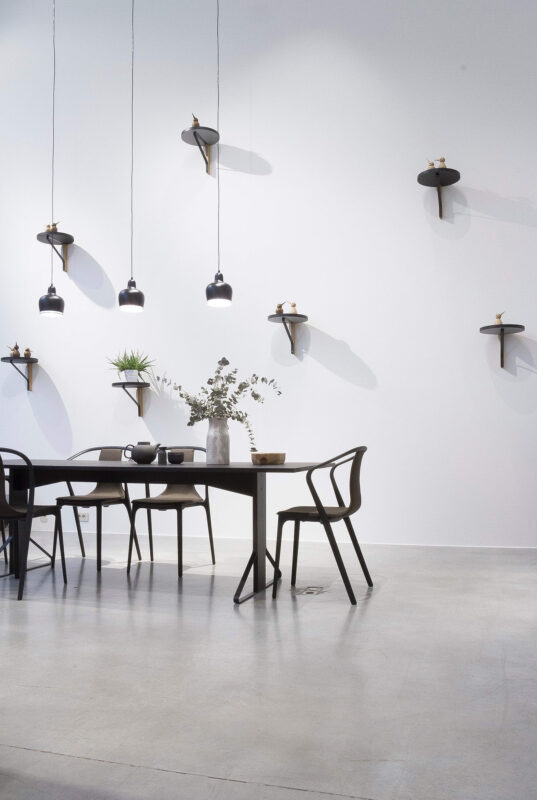
What Are Transitional Interior Designs?
-
Posted by
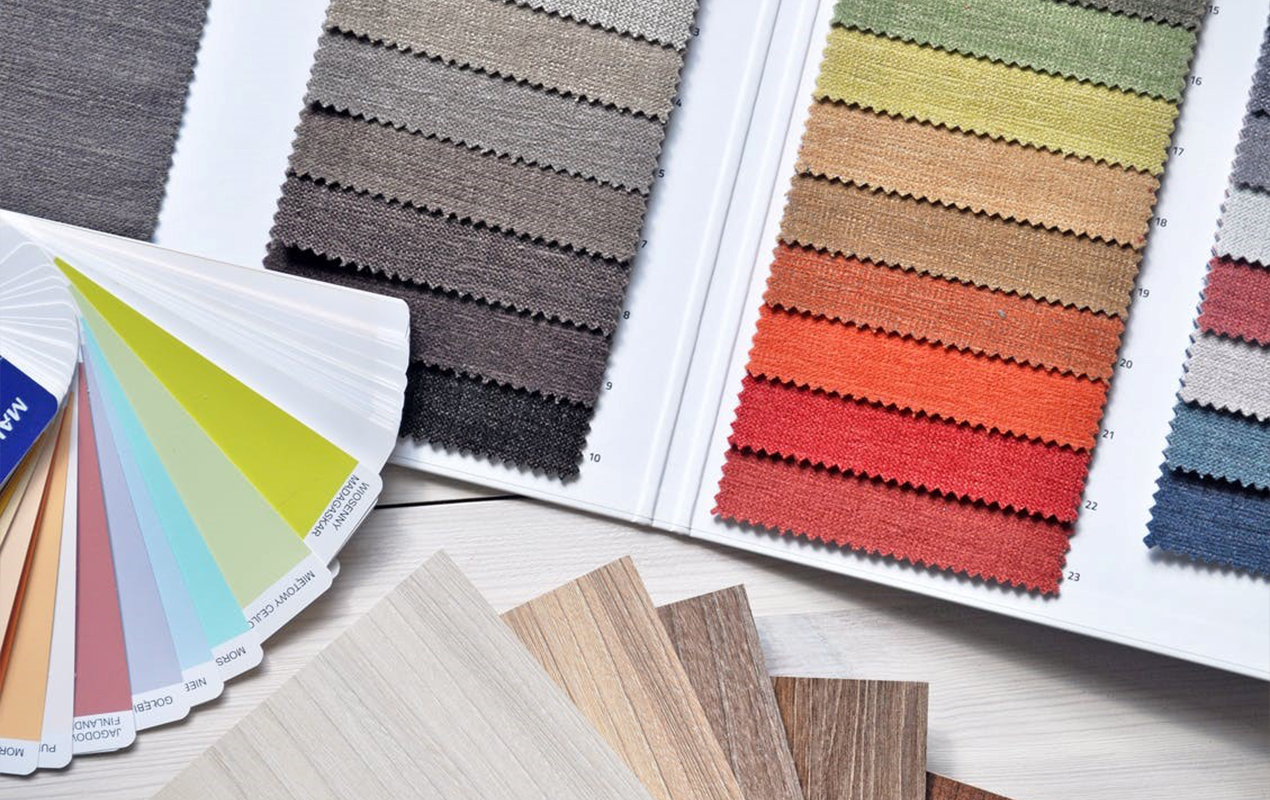
Do you want to know about transition interior designs? If yes, then don’t w...


Just moved in or are about to buy a property and have been asking …



Travel is good for us. Beyond opening our eyes to new and …

Glass has become one of the defining materials of modern residential architecture. From floor-to-ceiling windows and frameless balustrades to glass roofs, shower screens, and pool fencing, it appears in virtually every corner of the contemporary home. Its appeal is easy to understand. Glass lets in natural light, creates a sense of openness, connects interior spaces with outdoor environments, and contributes to a home’s visual character in ways that few other materials can match.
But glass also has a reputation for fragility. Homeowners are often surprised when a panel cracks, chips, or shatters seemingly with minimal provocation. Understanding why this happens and knowing when to seek professional Glass Repair in Sydney is essential knowledge for anyone who owns or maintains a home with significant glass features.
Not all glass is created equal, and the type of glass used in a particular application has a significant bearing on how it performs and how it fails.
Standard annealed glass, which is the most basic form of float glass used in many older windows and doors, is brittle by nature. When it breaks, it tends to fracture into large, sharp shards, which creates an obvious safety hazard.
Tempered glass, by contrast, is heat-treated to increase its strength and, when it does break, it shatters into small, relatively blunt fragments.
Laminated glass contains an interlayer that holds broken pieces together, making it particularly useful in overhead glazing, skylights, and glass roofs.
Despite these differences, all glass types share a common vulnerability: they are susceptible to stress. This stress can come from several sources.
Thermal expansion is one of the most common culprits. Glass expands slightly when heated by direct sunlight and contracts when temperatures drop.
If the surrounding frame cannot accommodate this movement, stress fractures can develop at the edges or corners of a panel. Over time, these hairline cracks can propagate across the entire pane.
Impact damage is another frequent cause. A stone thrown up by a lawnmower, a hailstone, or an accidental knock from a piece of furniture can introduce a crack or chip that compromises the structural integrity of a panel, even if the glass does not immediately shatter.
Manufacturing defects, poor installation, and nickel sulphide inclusions found in some tempered glass panels can also lead to spontaneous breakage, a phenomenon in which glass appears to fail without any obvious external cause.
Older silicone seals and rubber gaskets around window frames can also degrade over time, allowing moisture to penetrate and place uneven pressure on the glass, creating the conditions for cracking.
A cracked or damaged glass panel is more than a cosmetic concern. In windows, even a small crack can compromise the thermal performance of the glazing unit.
Double-glazed and triple-glazed windows rely on the integrity of the sealed unit to trap insulating gas between panes. Once a seal fails or a crack appears, the insulating properties deteriorate, leading to higher energy bills and reduced indoor comfort.
There are also clear safety implications. A compromised glass panel in a door, balustrade, or staircase offers far less structural resistance than an intact one. In a household with children or elderly residents, this is a significant risk.
The glass has already been weakened. The authorities have weakened it. One impact may fail catastrophically under a second.
From a design perspective, cracked or discoloured glass detracts from a home’s appearance and can reduce its property value.
In heritage or architecturally significant homes, matching the original glass type during repair can be a nuanced task that requires careful consideration.
Regular inspection is the most straightforward step a homeowner can take to manage glass in good condition. Every few months, it is worth examining windows, doors, balustrades, and glass features for signs of edge chips, surface scratches, seal failures, or hairline cracks.
Pay particular attention to corners and edges, which are the most stress-prone areas.
When cleaning glass surfaces, avoid abrasive materials that can cause fine surface scratches. Over time, these micro-abrasions can weaken glass and create points where cracks are more likely to initiate.
A soft cloth and appropriate glass cleaner are sufficient for most purposes.
Check the condition of seals, frames, and fixings periodically. A loose-fitting or degraded seal is often a precursor to more serious glass damage.
In coastal areas, salt air accelerates the corrosion of metal frames and the deterioration of rubber seals, so inspections may need to be more frequent.
If a crack does appear, avoid covering it with tape as a long-term solution. While tape may temporarily prevent a crack from spreading, it does not restore the glass’s structural integrity and can obscure the extent of the damage.
The appropriate course of action is to assess whether the panel needs professional repair or replacement.
There are situations where a homeowner should not attempt to manage glass damage independently.
Any crack in a structural glass element, such as a balustrade, glass pool fence, or glass roof pane,l should be treated as a safety concern and assessed by a qualified glazier without delay.
These applications are load-bearing or impact-resistant by design, and a damaged panel may no longer meet the standards for which it was originally installed.
Similarly, when a double-glazed unit develops internal fogging or condensation between the panes, it indicates a failed seal and requires replacement rather than cleaning.
This type of repair is not a DIY task, as the sealed unit must be replaced in its entirety.
For homeowners in urban areas, obtaining professional help is relatively straightforward. Those dealing with cracked windows often look for professional Glass Repair in Sydney to restore both safety and appearance, as qualified glaziers can assess the extent of damage, advise on the appropriate glass type for replacement, and ensure installation meets Australian Standards.
It is also worth noting that certain insurance policies cover accidental glass breakage, so it is worthwhile checking the terms of a home and contents policy before proceeding with repairs.
Glass is a material that offers exceptional functional and aesthetic value in modern homes, but it requires informed care to remain in good condition.
Understanding the reasons why glass panels can fail, from thermal stress and impact damage to manufacturing defects and frame deterioration, helps homeowners identify problems before they escalate.
Regular inspection, careful cleaning, and prompt attention to any signs of damage are the foundations of sensible glass maintenance.
When damage occurs, the right response depends on the type and location of the glass involved. You can polish minor surface scratches. Still, you should always ask a professional glazier to handle cracked structural panels, failed sealed units, and any glass that poses a safety risk.
Treating glass as the important architectural element it is, rather than simply a background feature of the home, goes a long way toward keeping it looking and performing at its best for years to come.