Interior Design Mistakes That Can Sabotage a Chic Home
-
Posted by
Decorating a new home or refurbishing an old one can be an …

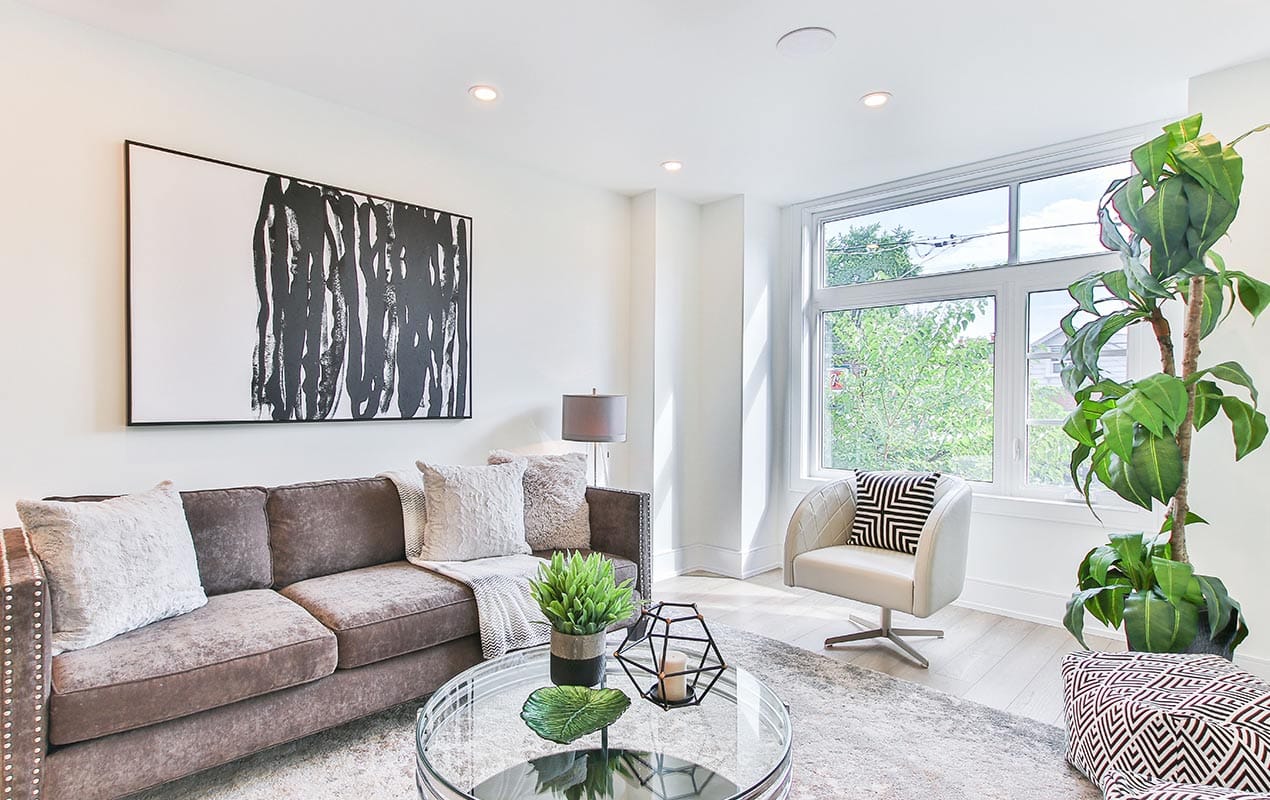

Decorating a new home or refurbishing an old one can be an …

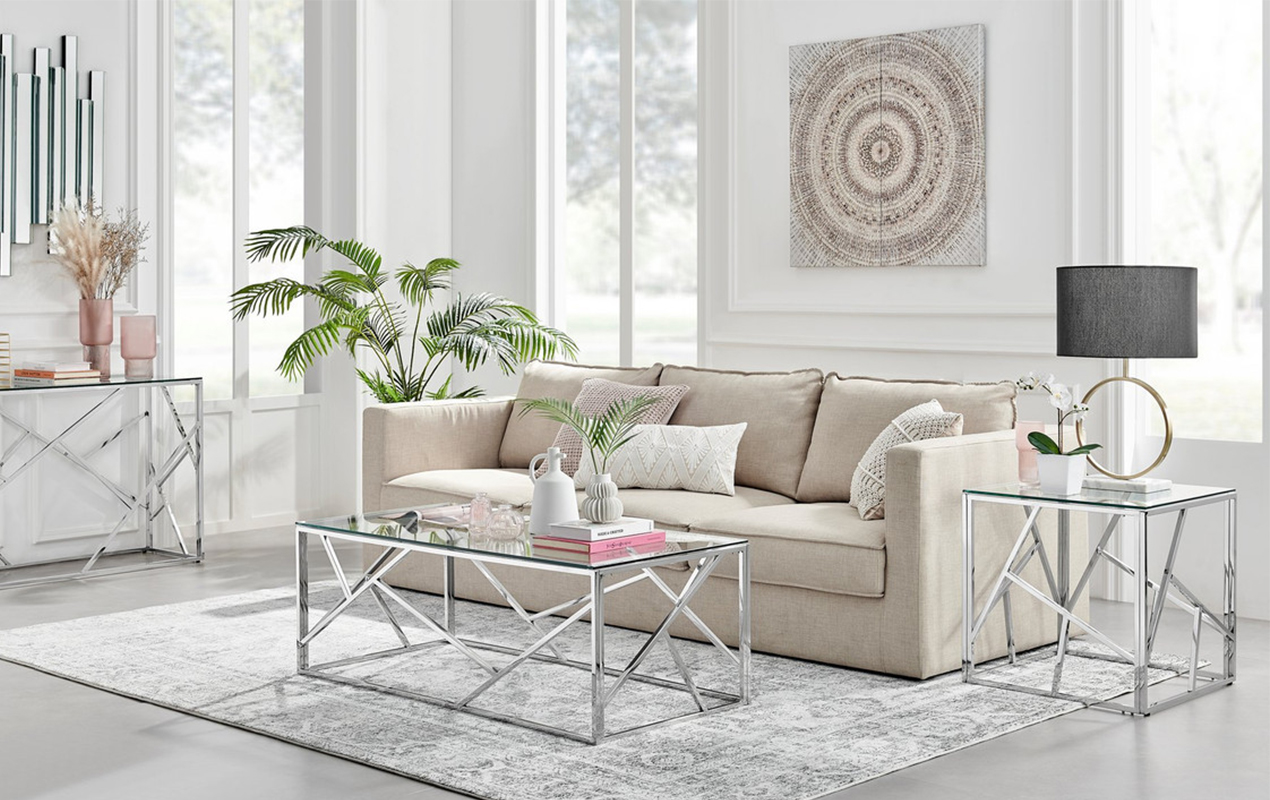
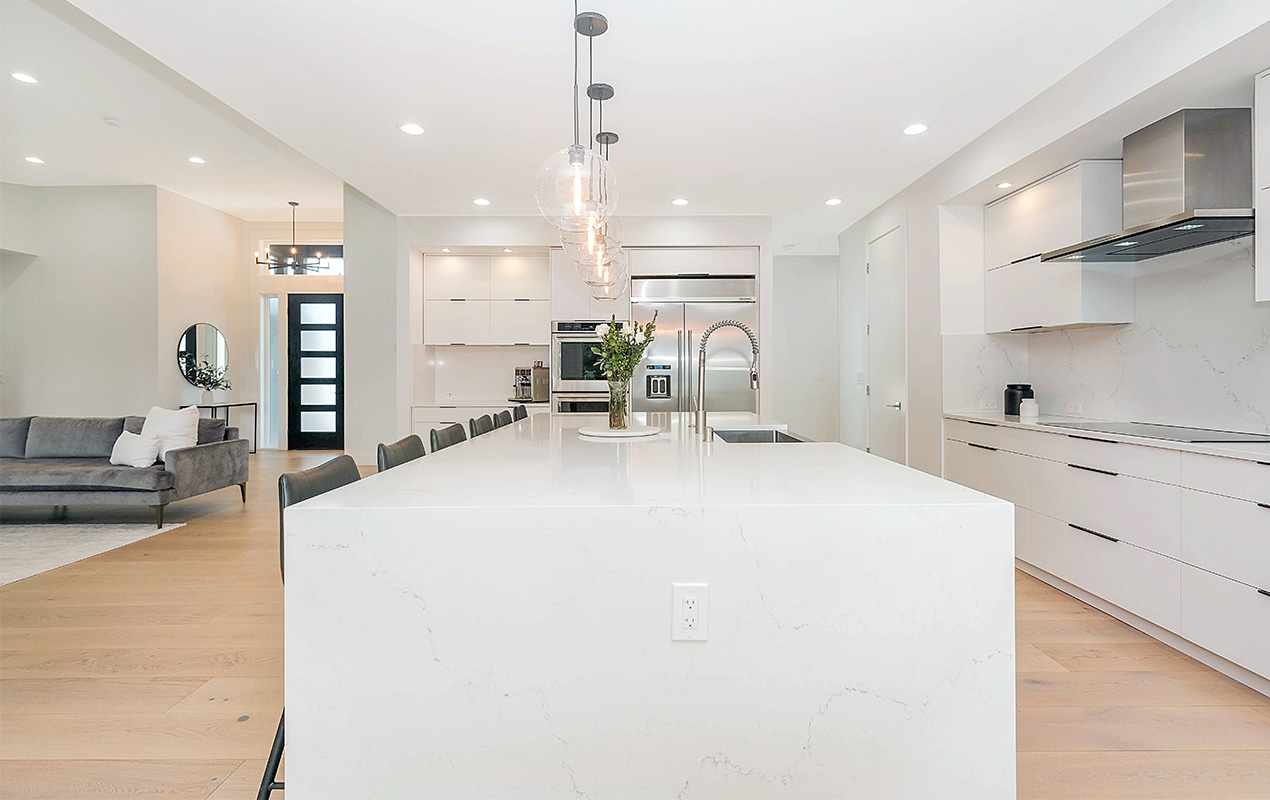
So recently you’ve been cooking up plans to revamp your kitchen …

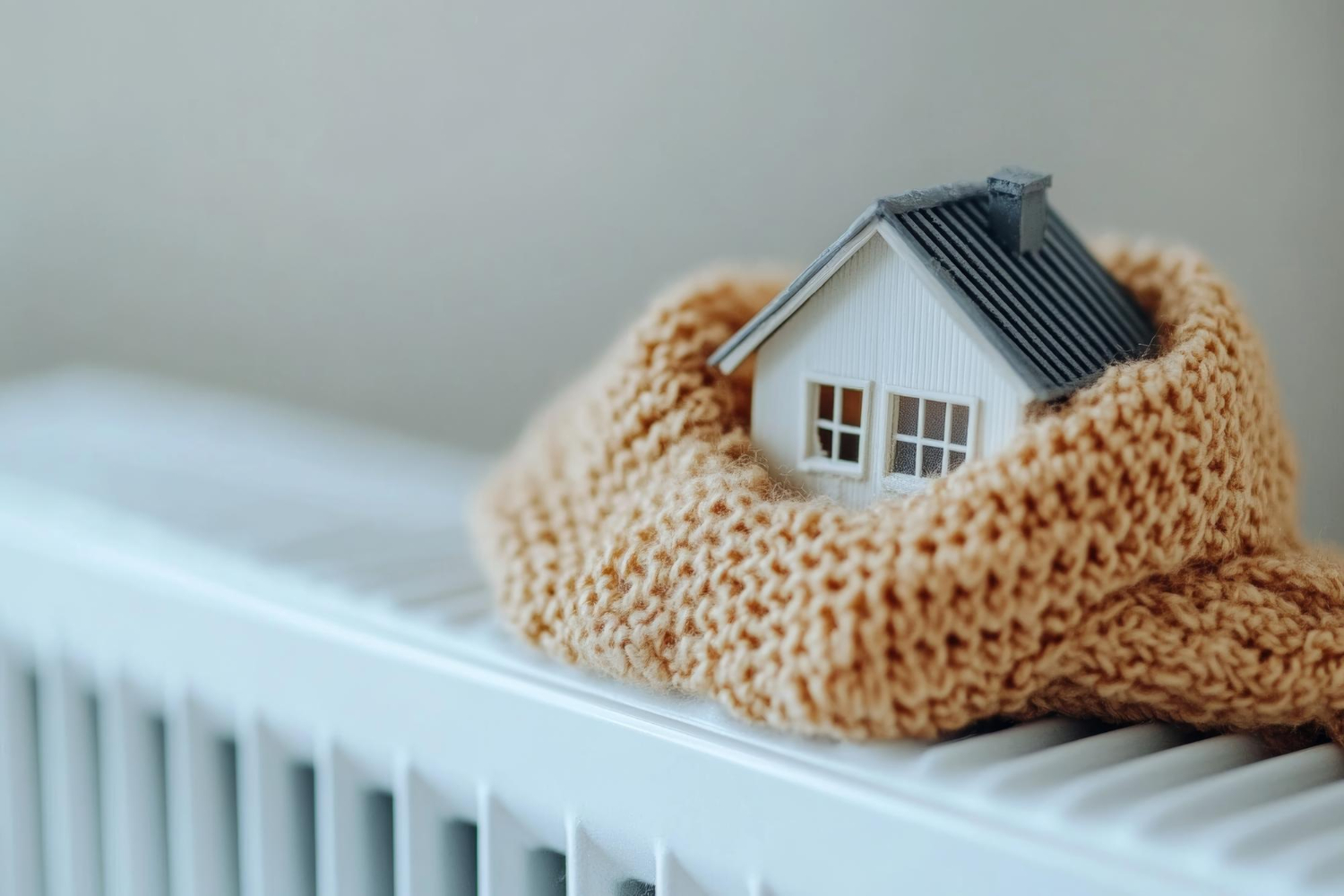
As energy costs rise and the demand for sustainable living increases, homeowners are increasingly exploring ways to enhance the efficiency of their home heating and cooling systems. Upgrading these systems leads to improved comfort and convenience and plays a significant role in reducing environmental impact and utility bills.
In this article, we delve into the key benefits of upgrading your home’s heating and cooling systems, shedding light on why making this investment can be a game-changer for both your wallet and the planet.
One of the most compelling reasons to consider upgrading your heating and cooling systems is the potential for enhanced energy efficiency. Modern systems are designed to use significantly less energy than older models, which translates to lower energy bills for homeowners.
Newer energy-efficient models can achieve efficiency ratings of up to 20% higher than their predecessors. This enhanced efficiency reduces energy usage and lessens your carbon footprint, contributing to a healthier environment. When upgrading, it’s crucial to choose a system that suits your specific needs and climate to maximize efficiency.
While the initial investment for a new heating and cooling system can be significant, the long-term savings often outweigh the upfront costs. Energy-efficient models lead to reduced utility bills, saving homeowners substantial amounts. Many modern systems come with warranties and longer lifespans than older models.
By reducing the frequency of repairs and replacements, homeowners can enjoy peace of mind knowing they’re less likely to face unexpected costs. By utilizing services like Smock HVAC, owners can find tailored solutions that further enhance cost-effectiveness, ensuring both quality and affordability in upgrades. This gives households a more predictable and manageable approach to ongoing climate-control expenses.
Upgrading your heating and cooling systems can lead to noticeable improvements in indoor air quality. Older systems can accumulate dust, mold, and allergens, leading to poor air quality within the home. Newer systems are equipped with advanced filtration technologies that effectively capture pollutants and improve ventilation.
This is particularly beneficial for individuals with allergies or respiratory issues. A system upgrade often includes features like HEPA filters and adjustable ventilation controls, ensuring a fresher and healthier indoor environment. Homeowners can breathe easier knowing they’re investing in air quality just as much as comfort.
Older heating and cooling systems may struggle to maintain consistent temperatures throughout the home, leaving some rooms too hot while others remain uncomfortably cold. Upgrading to a new system ensures better temperature regulation and distribution.
Advanced systems utilize smart technology to monitor temperature and automatically adjust settings to maintain a consistent climate. This enhances comfort in your living space and can support energy-saving initiatives by optimizing system performance. Homeowners often report significant improvements in comfort after investing in modern systems.
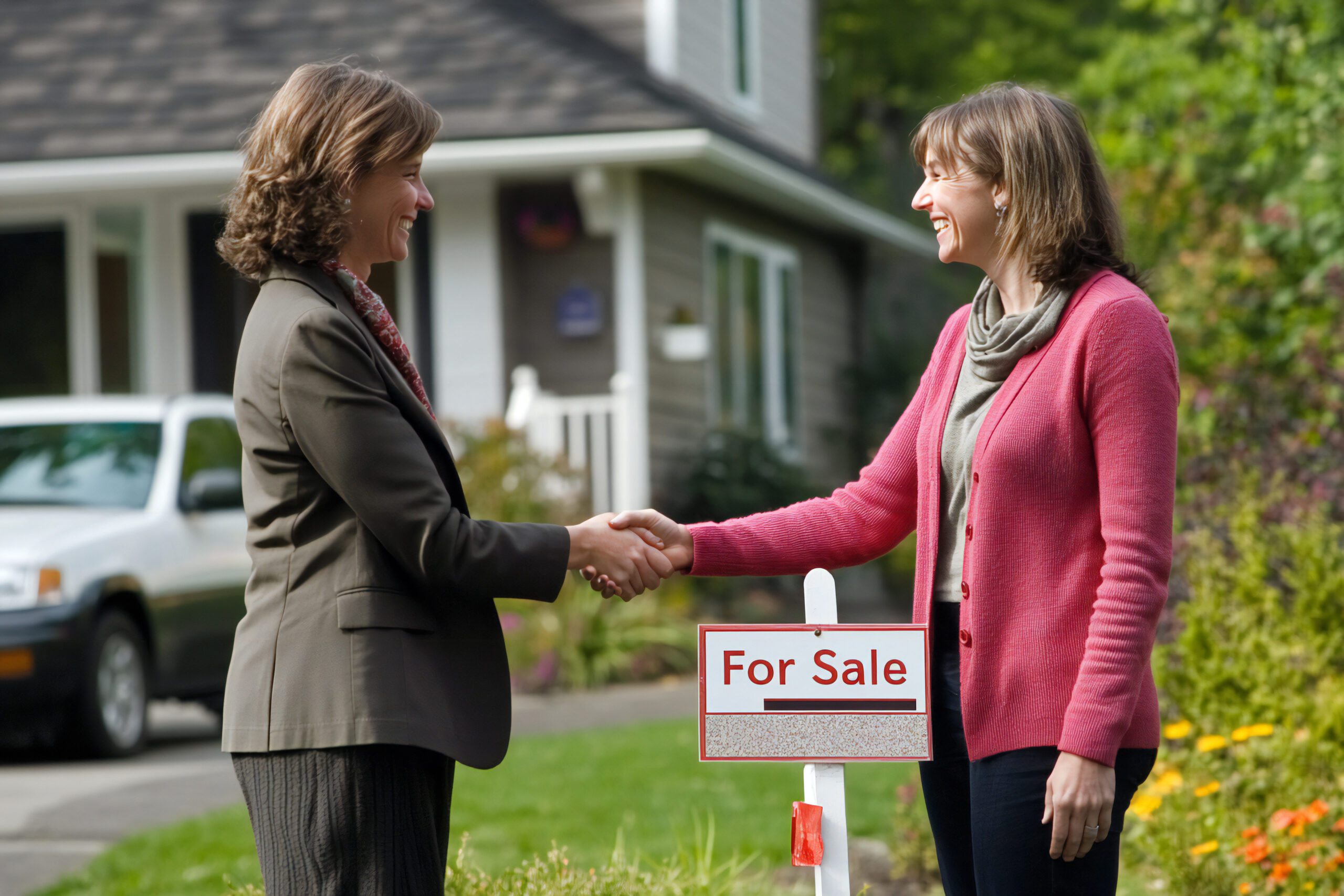
Investing in upgraded heating and cooling systems can significantly increase your property’s value. Homebuyers today are more informed and tend to prioritize modern, energy-efficient features when searching for a new home. An upgraded system can make your property more appealing, potentially leading to quicker sales and higher offers.
Energy efficiency ratings are often a highlighting point in real estate listings, making it a smart move for homeowners planning to sell. An upfront investment in your comfort can yield dividends when it comes time to list your home, making it a worthwhile consideration.
Many governments offer financial incentives to encourage homeowners to upgrade their heating and cooling systems for energy efficiency. These initiatives may include tax credits, rebates, or grants that significantly lower the cost of a new system. Homeowners can take advantage of these incentives to offset their initial investment.
Researching local programs and understanding eligibility requirements can reveal opportunities to save money while making a sustainable choice that benefits the environment. By staying informed, homeowners can maximize potential savings when upgrading their systems.
Upgrading your heating and cooling system plays a crucial role in sustainability efforts. As more homeowners make the switch to energy-efficient systems, the collective impact can significantly reduce greenhouse gas emissions. Many modern systems utilize eco-friendly refrigerants and innovative technologies that minimize environmental harm.
Being proactive about energy efficiency in your home contributes positively to global sustainability efforts and can inspire others in your community to consider similar upgrades. Awareness of this impact can foster a greater commitment to responsible energy consumption.
Upgrading heating and cooling systems in your home doesn’t just provide immediate comfort and convenience. It protects your investment while contributing to a more sustainable future.
Increased energy efficiency leads to cost savings, improved air quality, and a more appealing property. For homeowners looking to make a significant positive change in their energy consumption, this upgrade is an important consideration.
DeCasa Collections is a website that shares practical ideas on home furniture, clean wood designs, and modern interiors. It helps readers make better design choices, including tips for small home adaption, smart layouts, and space-saving solutions that improve comfort, style, and daily living in real homes.