Facade siding – Everything You Need to Know About Exterior Siding
-
Posted by
Facade siding is a popular and practical exterior finishing method that ori...





Put simply, your home should be a safe space for you to find refuge in …
Also called a show home or display home, a model home is something …
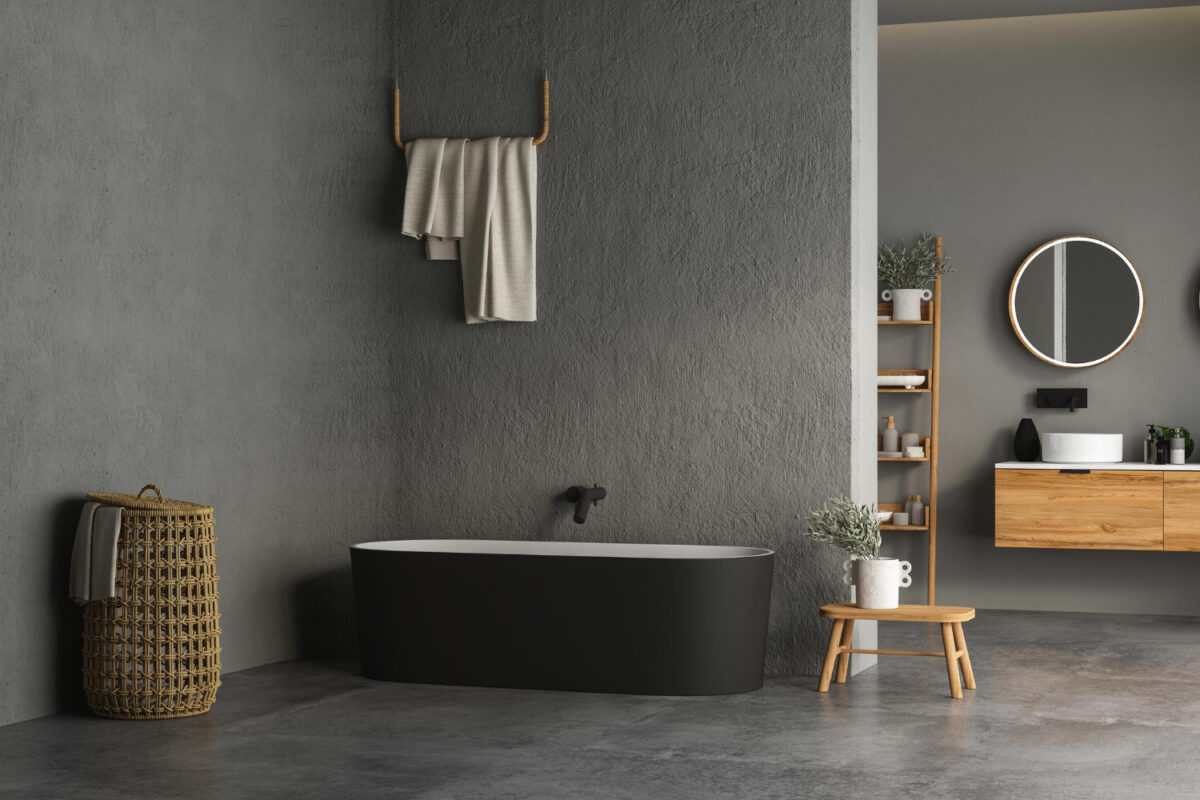
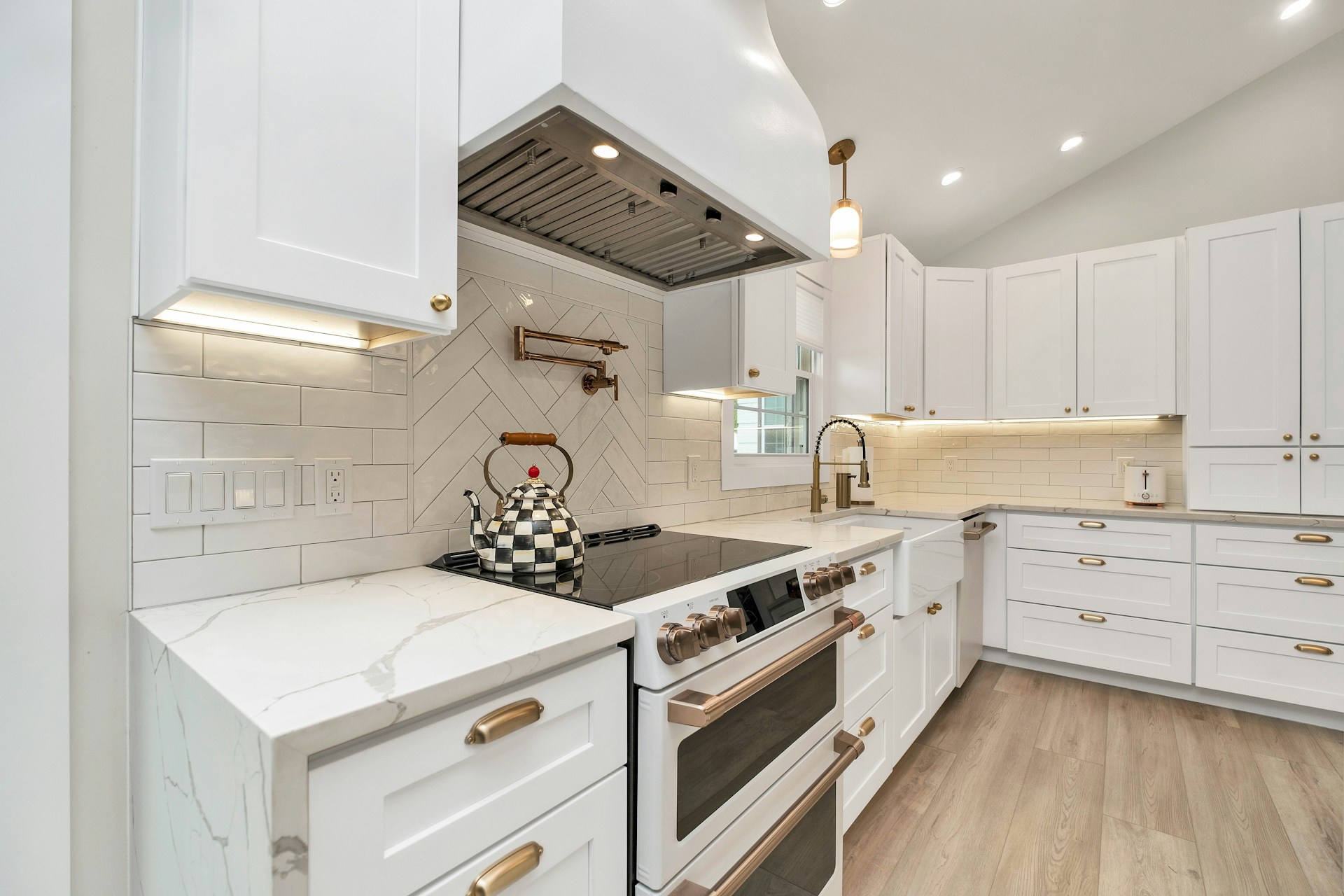
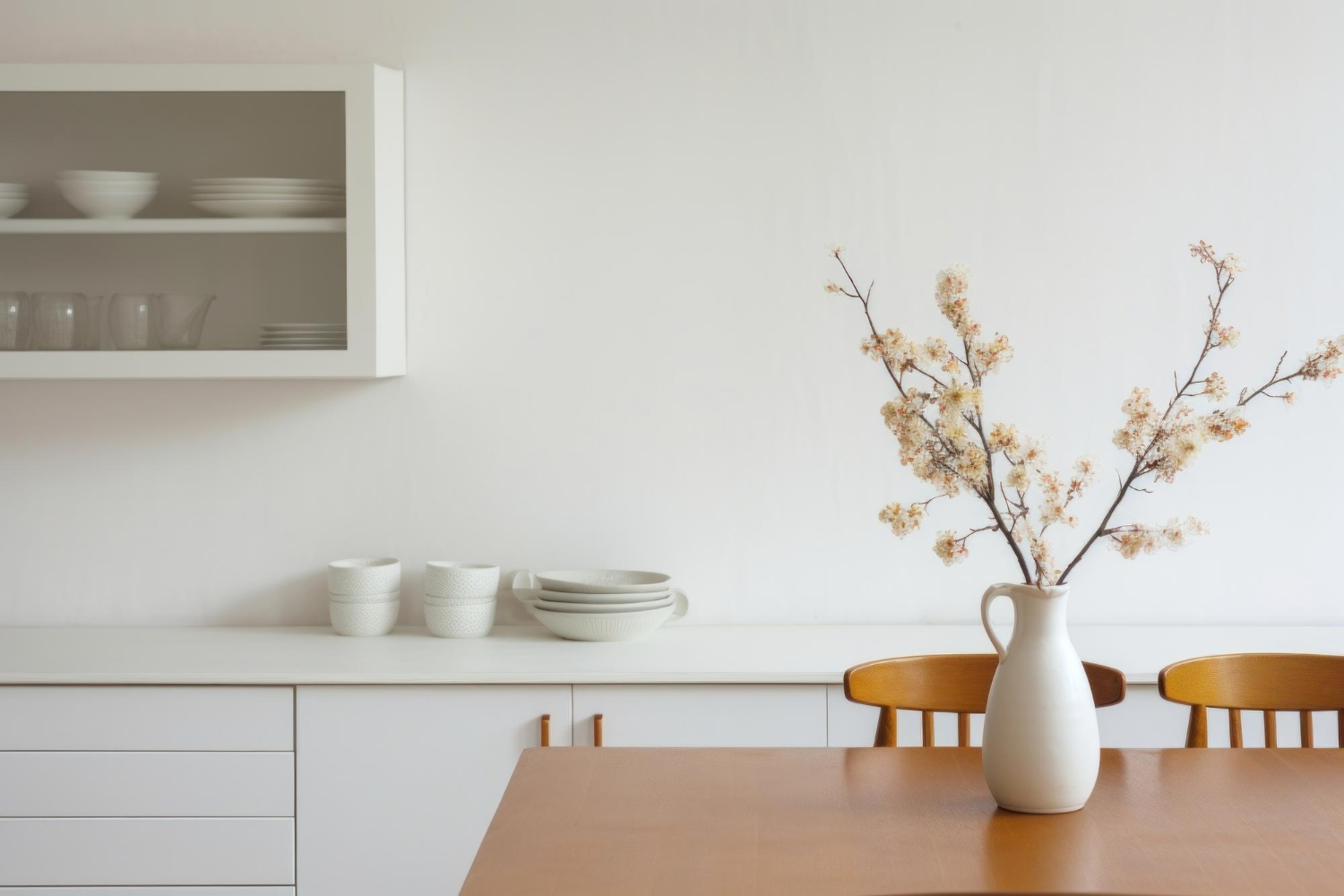
Minimalism used to mean owning less. Clean lines, simple spaces, few distractions. But over the last few years, a new interpretation has emerged, one that values not just reduction, but refinement. Instead of stripping life down to the basics, people are curating it thoughtfully, choosing fewer items but selecting pieces with longevity, craftsmanship, and meaning.
For many, investment pieces aren’t just status items, they’re expressions of care and intentionality. A tailored blazer that improves with age, a handcrafted bag passed between generations, or a timepiece chosen not because it’s trendy, but because it tells a story. Someone might save for high-quality shoes, bespoke jewelry, or even explore heritage accessories like Breitling watches not as fashion statements, but as pieces that feel personal and enduring.
It’s less about having more and more about choosing what feels right.
One of the defining ideas behind this new wave of minimalism is the understanding that longevity often brings comfort, familiarity, and ease. Instead of replacing items every season, people are investing in pieces designed to last, both physically and aesthetically.
That shift isn’t limited to wardrobes. It includes furniture, linens, décor, and even small everyday items. Rather than constantly cycling through fast fashion and disposable objects, many consumers are choosing pieces with legacy, items that age with them.
This is where heritage symbols naturally enter the conversation. For decades, brands known for precision craftsmanship, like Rolex watches, have represented more than accessory culture. They’ve embodied the philosophy of owning one remarkable thing rather than a dozen temporary ones.
It’s the same reason people gravitate toward solid wood furniture, handmade ceramics, real leather footwear, or natural fabrics. These choices soften, patina, and evolve, not degrade.
According to findings from the British Fashion Council, younger shoppers are increasingly prioritizing longevity, repairability, and craftsmanship over seasonal trends, a significant cultural departure from the throwaway consumer habits of the early 2000s.
Minimalism is no longer about emptiness, it’s about intention.
What truly differentiates an investment item from an ordinary purchase isn’t price, it’s connection.
People choose investment pieces because they:
A scarf worn every winter becomes a tradition. A handbag carried through travel, milestones, and seasons becomes memory-woven. A well-designed coat feels like putting on confidence.
Investment pieces remind us that beauty and function can coexist, and that some objects deserve time rather than replacement.
Trends move fast. They’re loud, fleeting, and fun. But investment pieces play a different role. They’re rooted in design that doesn’t need attention, it earns respect quietly, through form, balance, and restraint.
Timeless pieces share a few qualities:
They don’t chase relevance, they maintain it. Like architecture, art, or literature, they feel connected to culture rather than hype.
Minimalist living doesn’t ask us to remove joy, it asks us to choose it carefully.
Investment culture aligns with a growing desire for slower, more responsible consumption. People are becoming more aware of how objects are made, where they come from, and what happens to them when they’re no longer needed.
When something lasts, it requires fewer resources. When something matters, we care for it differently.
Repair culture, tailoring, timeless retail models, and circular design are quietly re-entering mainstream life, not because they’re trendy, but because they feel human.
There’s a misconception that investment pieces must be high-cost or luxury-branded. But investment can take many forms:
The true question isn’t price, it’s value.
Will it last?
Will you use it?
Will it still feel right in five years?
That mindset transforms consumption from impulsive to intentional.
The ultimate reward of choosing investment pieces is continuity. You don’t start from scratch each season, you refine. You return to what you already own because it still feels right. Objects stop being inventory and become belonging.
The rise of investment pieces isn’t just a trend, it’s a cultural reset. As people move away from fast purchasing cycles and toward slower, more meaningful ownership, the objects they select begin to reflect care, identity, and longevity.
Minimalism isn’t about less. It’s about choosing well. And in a world full of fast decisions, temporary materials, and constant noise, investing in what lasts feels like an act of confidence, clarity, and self-respect.