How to Convert Your Garage into a Home Gym
-
Posted by
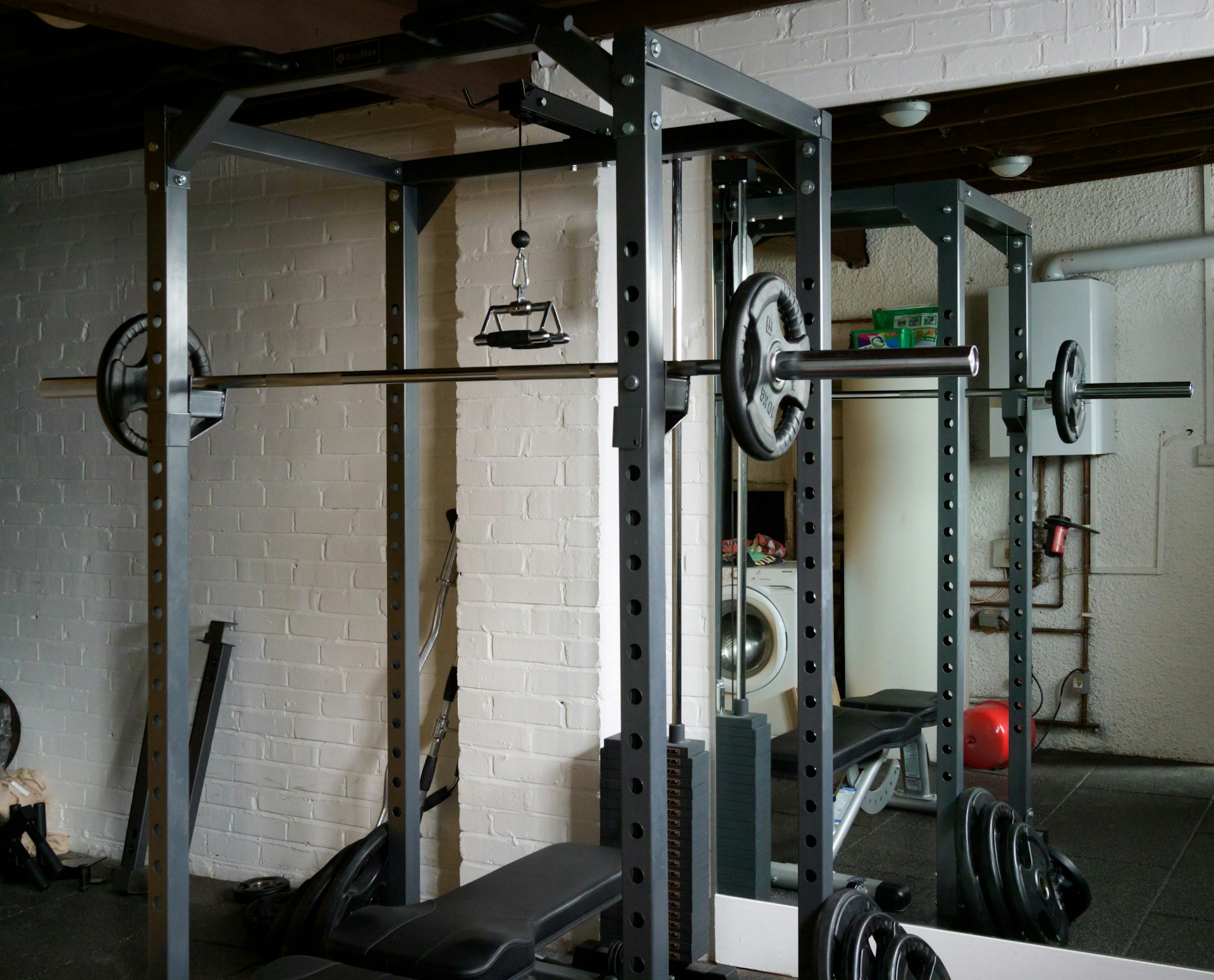
If you’re tired of driving to the gym or dealing with crowded workout space...


The corners of your living room space can easily be forgotten …

How to Embrace Classic Antique Decor What comes to mind …


There’s a reason homes from the early 20th century continue to capture buyers’ attention. California bungalows, in particular, are admired for their wide verandahs, deep eaves, timber fretwork and solid craftsmanship. They’re full of character, charm and a warmth that’s hard to replicate in modern builds.
But beautiful as they are, these homes often weren’t designed for the way we live now. They may have small kitchens, closed-off living areas, limited natural light or poor insulation. That’s why renovating a classic California bungalow is less about replacing and more about revealing—taking what’s already good and making it work better for today.
Preserving a heritage home doesn’t mean freezing it in time. True preservation is about protecting the features that define its character while upgrading the spaces that no longer serve the family living in it.
This might include retaining original leadlight windows, decorative ceilings, or hardwood floors, while opening up the layout at the rear to create a kitchen and living area that connects with the backyard. The key is making thoughtful decisions, ones that enhance the home’s livability without stripping away its identity.
In some cases, that might mean restoring the front façade exactly as it was. In others, it could mean matching new timberwork with original materials, or repointing brickwork using traditional techniques.
Bungalows built 80 to 100 years ago come with quirks—and not always the charming kind. You might be dealing with uneven floors, outdated wiring, limited insulation, or dampness in walls and subfloors. These are rarely showstoppers, but they do require careful assessment and a builder who’s comfortable working around—and with—the bones of older structures.
Another factor is compliance. Homes in heritage precincts may be subject to overlay controls that limit what can be altered externally. Even without a formal heritage listing, many local councils expect sympathetic design in renovations that face the street.
This is where experience matters. A builder familiar with heritage-sensitive areas will understand how to work within these guidelines while still delivering on your vision.
One of the most common renovation goals is to open up the back of the home, bringing in more light, airflow and connection to the outdoors. While this often means extending, the most successful updates still feel like part of the original house.
That might mean repeating timber detailing in new areas, keeping ceiling heights consistent, or using roof pitches and materials that blend rather than clash. A well-designed transition zone between old and new—such as a hallway with glass doors or a skylight over original brickwork—can make both parts of the home feel intentional.
The goal isn’t to hide the difference between old and new, but to make the connection between them feel seamless.
Upgrading an old home also means improving how it performs. That includes better insulation, double glazing, efficient heating and cooling, and rewired electrics that support modern appliances and lighting.
Carefully chosen updates can lift the everyday experience of living in a heritage home without compromising its visual appeal. For example, underfloor insulation won’t change the look of the house, but will dramatically improve comfort. Installing ducted air conditioning through floor vents or discreet ceiling units helps preserve decorative ceilings and cornices.
Even adding solar panels can be done discreetly on rear-facing roof sections, keeping the street-facing view intact.
Renovating heritage homes is more complex than a standard extension. Builders need to work with materials that aren’t always standard, anticipate how old structures behave during demolition or construction, and navigate local heritage requirements without delay.
When it comes to renovating a classic California bungalow, working with a team that understands the detail—and the spirit—of the architecture can make the process far smoother. It also ensures that the value of the home is enhanced, not diminished, by the changes.
Heritage-sensitive renovation isn’t just about building. It’s about interpreting history, understanding construction methods of the past, and knowing how to blend old techniques with modern tools.
A thoughtful renovation allows a character home to keep evolving. It respects what came before without being limited by it. And for many homeowners, that’s the ideal outcome: a home that feels timeless, works beautifully, and continues to tell its story through every layer of timber, brick and light.