What Are Transitional Interior Designs?
-
Posted by
Do you want to know about transition interior designs? If yes, then don’t w...




Just moved in or are about to buy a property and have been asking …



Travel is good for us. Beyond opening our eyes to new and …

A well-maintained chimney is essential not only for the efficient operation of your fireplace but also for the safety of your home. Over time, chimneys are prone to a range of issues, including blockages, cracks, water damage, and deteriorating masonry. Many of these problems develop gradually, often going unnoticed until they become costly repairs or safety hazards. Understanding how to identify early signs of wear and taking proactive measures can significantly reduce the risk of serious damage, keeping your chimney functioning smoothly year-round.
Regular inspections and preventive maintenance are critical for avoiding common chimney problems. Homeowners can learn about effective strategies and potential warning signs through trusted resources, such as https://southernchimneys.com/chimney-repair/, which provides guidance on typical repairs and maintenance practices. By addressing minor issues promptly and staying informed about proper care, you can extend your chimney’s lifespan, ensure safety, and maintain the comfort and efficiency of your fireplace without the stress of unexpected repairs.
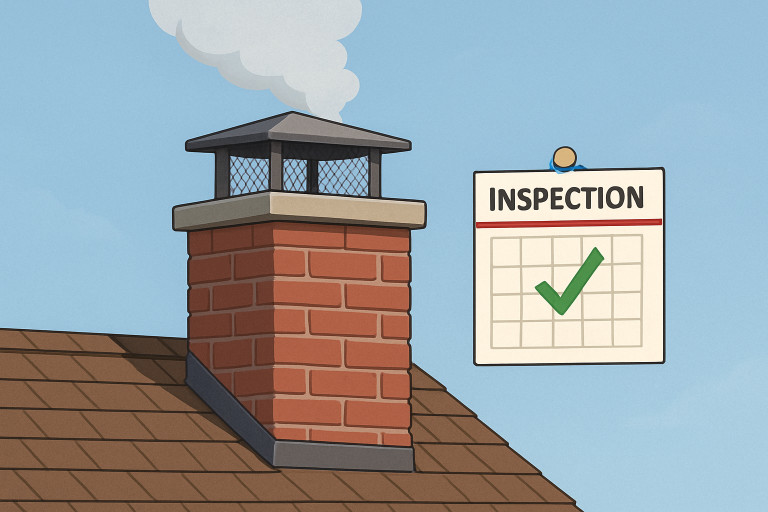
Annual chimney inspections by certified professionals cannot be overstated. Experts can find hidden cracks, notice early signs of wear, and help keep your venting system safe. Such inspections also identify blockages caused by leaves, wildlife, or deteriorating masonry, helping guard against unexpected hazards. Not only does this practice enhance safety, but it also protects your investment by extending the life of your chimney.
Creosote, a dark, tar-like byproduct of burning wood, is highly flammable and can rapidly accumulate in your chimney. Regular cleanings remove these deposits, significantly reducing the risk of a chimney fire. Even if you use your fireplace only occasionally, it is recommended that you have your chimney swept at least once per year. This step is especially important for homes where fireplaces are a primary or regular source of heat.
Installing a chimney cap is a straightforward way to prevent a host of common problems. Caps act as a barrier, keeping out rainwater, animals, leaves, and other debris that could cause dangerous blockages or water damage. Without a cap, water intrusion alone can deteriorate masonry, create mold, and damage flue liners. This small investment pays off over time, often eliminating the root causes of more complex repair needs.
The type and quality of wood you burn make a difference. Seasoned hardwoods, such as oak or maple, burn hotter and cleaner than fresh or unseasoned logs. Properly seasoned wood (dried for at least 6 months) results in a more complete burn, producing more heat for your home and reducing creosote buildup in your chimney. Avoid burning trash, treated wood, or softwoods, as these can create excess creosote and potentially introduce harmful chemicals into your flue.
Small issues often escalate if ignored. Loose bricks, cracked mortar, or a deteriorating crown can allow water or cold air to invade your chimney, causing bigger problems over time. Prompt repairs keep water out, protect your home’s structure, and prevent energy loss. Homeowners should regularly check for visible signs of wear or hire a professional for a more thorough assessment.
Efficient airflow is fundamental to both safety and performance. An obstructed or poorly functioning damper will limit the draw of air through your chimney, increase the risk of smoke backup, and may cause harmful carbon monoxide to enter your living space. Always ensure your damper opens and closes smoothly and inspect the flue for obstructions. When in doubt, have a technician assess your system’s airflow and venting adequacy.
Pay attention to symptoms like smoke spilling into your room, persistent unpleasant odors, or a decrease in your fireplace’s heating efficiency. These can indicate hidden blockages, moisture damage, or drafting issues. Unusual sounds or visible bits of debris in your fireplace also suggest it’s time for an inspection. Quick action on these warning signs can prevent inconvenient and hazardous escalation.
Preventing chimney problems is all about consistency and vigilance. With regular inspections, proper cleaning routines, the right accessories, and being attentive to early warning signs, you protect your home and loved ones from costly and dangerous chimney issues. Smart maintenance practices ensure you can enjoy the aesthetic and functional benefits of your fireplace in comfort.