What Are Transitional Interior Designs?
-
Posted by
Do you want to know about transition interior designs? If yes, then don’t w...




Just moved in or are about to buy a property and have been asking …




Travel is good for us. Beyond opening our eyes to new and …
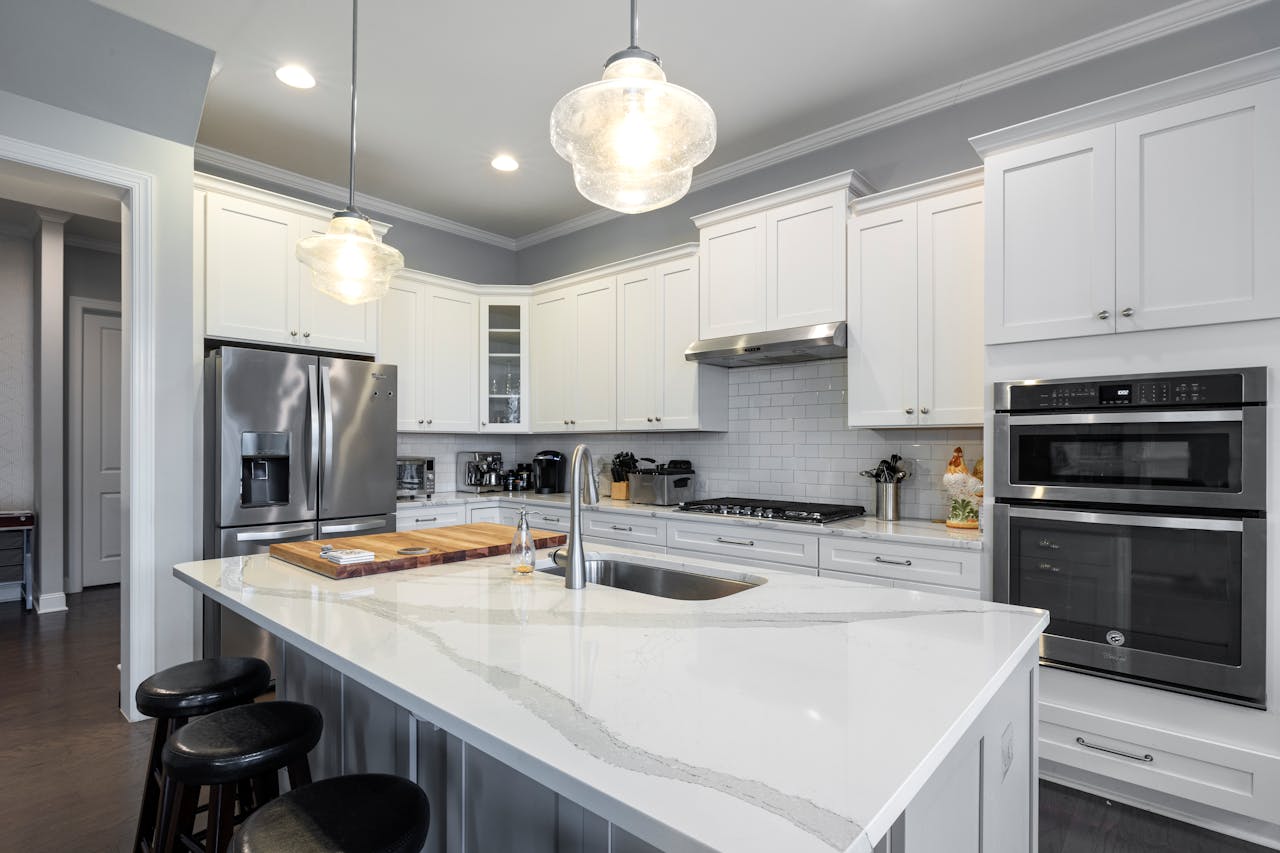

Modern home design continues to push boundaries. From large marble kitchen islands to floor-to-ceiling glass walls and custom steel staircases, today’s homes include features that are both heavy and visually striking. While these elements improve aesthetics, they also present a significant challenge in how to move, lift, and install them safely and accurately. That’s where professional rigging becomes essential.
Behind nearly every large-scale home installation is a carefully planned lifting process that depends on specialized equipment, trained professionals, and proven techniques. Without proper rigging, even the most beautiful design elements can pose safety hazards or incur costly damage during installation.
Homeowners and designers alike are embracing bold, statement-making features. Large quartz or granite slabs, custom wood beams, expansive windows, and sculptural lighting fixtures are now common in residential designs; they are no longer reserved for commercial spaces.
However, these items are not only heavy but also often awkwardly shaped and fragile. A single marble slab, for example, can weigh hundreds of pounds while remaining highly susceptible to cracking if handled improperly. Moving these materials through tight hallways, up staircases, or into elevated spaces requires more than just manpower; it demands precise lifting.
Professional rigging involves much more than just lifting heavy objects. It requires a careful approach to load management, balance, and safety. Rigging specialists evaluate weight, center of gravity, load distribution, and the surrounding environment before starting any lift.
Using tools such as synthetic lifting slings, crews can securely support delicate materials like stone or glass without causing surface damage. These slings are made to spread weight evenly, reducing stress points that could lead to cracks or breaks.
Shackles are another crucial component, serving as secure connection points between slings and lifting devices. Available in various configurations, shackles offer flexibility while ensuring the strength needed to support heavy loads.
For installations that require extra stability, such as lifting long or wide objects like countertops or beams, lifting beams or spreader bars are often used. These tools help distribute weight across multiple lifting points, reducing bending or warping during the lift.
This category of equipment is often called below-the-hook lifting, which includes all the parts that connect the load to the lifting machine. These systems are essential for maintaining control and keeping the load stable throughout the process.
Unlike industrial job sites, residential environments present distinct challenges. Spaces are tighter, finishes are more delicate, and there’s less room for mistakes. A scratched hardwood floor, chipped tile, or dented wall can quickly lead to costly repairs.
Professional rigging teams use controlled lifting methods, often incorporating chain hoists or come-alongs, to carefully maneuver heavy items into place. These tools enable slow, incremental adjustments, providing installers with the precision needed to align components perfectly.
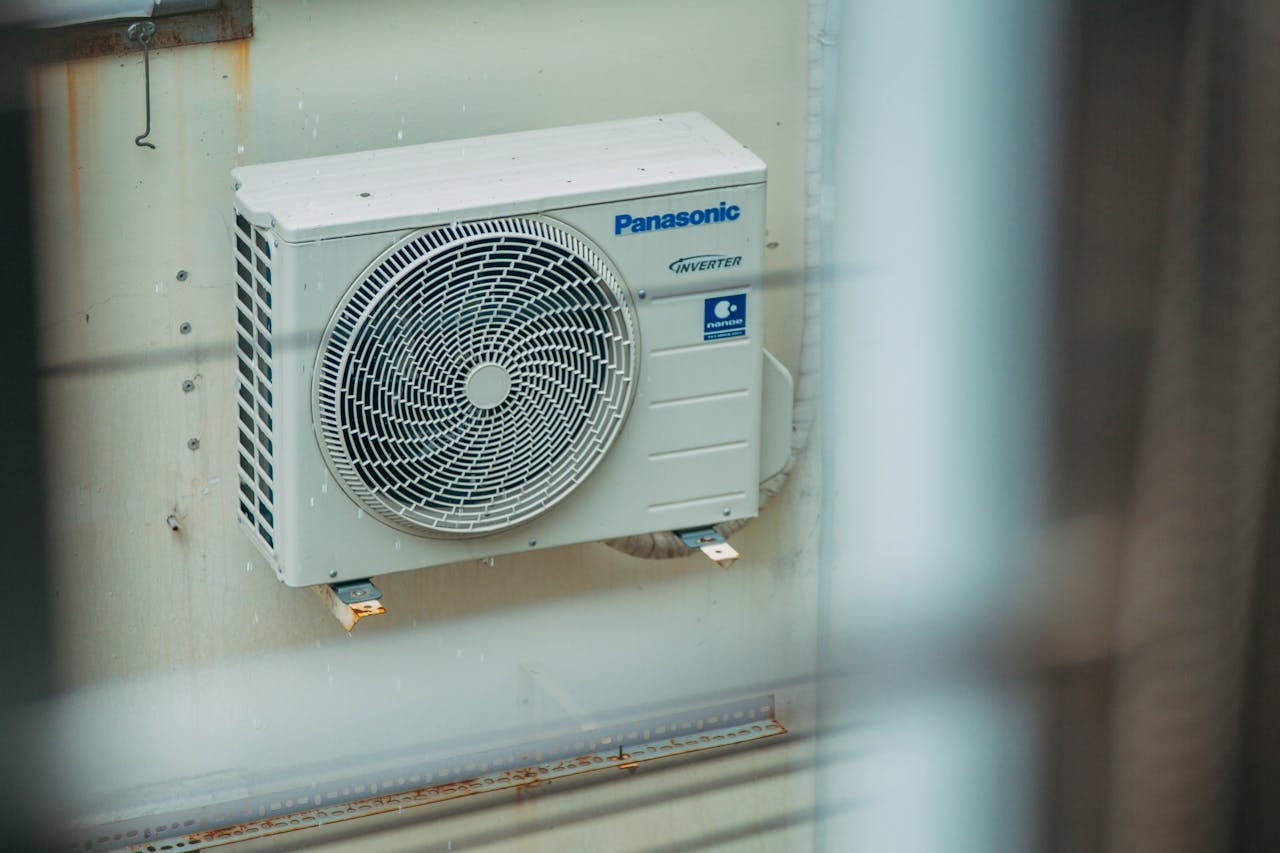
In some cases, rigging crews may also use crane-assisted lifts to position large items like rooftop HVAC units, prefabricated structures, or oversized windows directly into place. These lifts require careful planning, including load calculations and proper rigging setups, to ensure everything goes smoothly.
One of the main reasons to use professional rigging is safety. Incorrect lifting methods can cause serious injuries, structural damage, or even total installation failure.
Every piece of rigging equipment is rated with a Working Load Limit (WLL), which indicates the maximum weight it can safely support. Professionals know how to calculate load weight, apply proper safety factors, and choose equipment that meets or exceeds those standards.
Additionally, trained rigging crews follow strict safety protocols, including equipment inspections, proper attachment methods, and clear communication during lifts. This level of oversight significantly reduces the risk of accidents compared to DIY or inexperienced handling.
Large home installations often use expensive materials like natural stone, custom metalwork, or handcrafted wood pieces that can cost thousands of dollars. Damaging these items during installation isn’t just frustrating; it can cause delays and significantly increase costs.
Rigging professionals employ protective techniques and materials to safeguard these investments. Soft slings prevent surface scratches, while proper load balancing ensures that weight is evenly distributed. By reducing stress on the material, rigging helps preserve both structural integrity and visual appeal.
Architects and interior designers are increasingly integrating bold features into their projects. Floating staircases, oversized pendant lights, and seamless glass walls all demand careful coordination between design and installation teams.
Professional rigging turns creative visions into reality. By supplying the tools and expertise needed to handle large, complex components, rigging teams enable designers to think bigger without sacrificing feasibility.
Time is always a factor in construction and renovation projects. Attempting to move and install heavy items without proper equipment can cause delays, require multiple attempts, and lead to unnecessary problems.
With the proper rigging setup, installations can be completed more efficiently and with fewer disruptions. Experienced crews know how to plan lifts, stage equipment, and carry out the process smoothly, helping to keep projects on schedule.
While it might seem simpler to rely solely on general labor for installations, the risks often outweigh the savings. Professional rigging offers the expertise that ensures the job is done right the first time.
From selecting the right lifting slings and shackles to using lifting beams and hoists for accurate placement, every part of the process is designed to maximize safety and efficiency. More importantly, it safeguards the integrity of both the materials and the home itself.
Large home installations are a key aspect of modern design, but they present major challenges. Professional rigging offers the solution by combining specialized equipment, technical expertise, and careful planning to handle even the most complex projects.
Whether it’s installing a massive stone countertop, positioning a steel beam, or lifting a custom lighting fixture into place, rigging plays a vital role behind the scenes. It guarantees that every element is installed safely, accurately, and without compromise, allowing homeowners and designers to fully realize their vision.