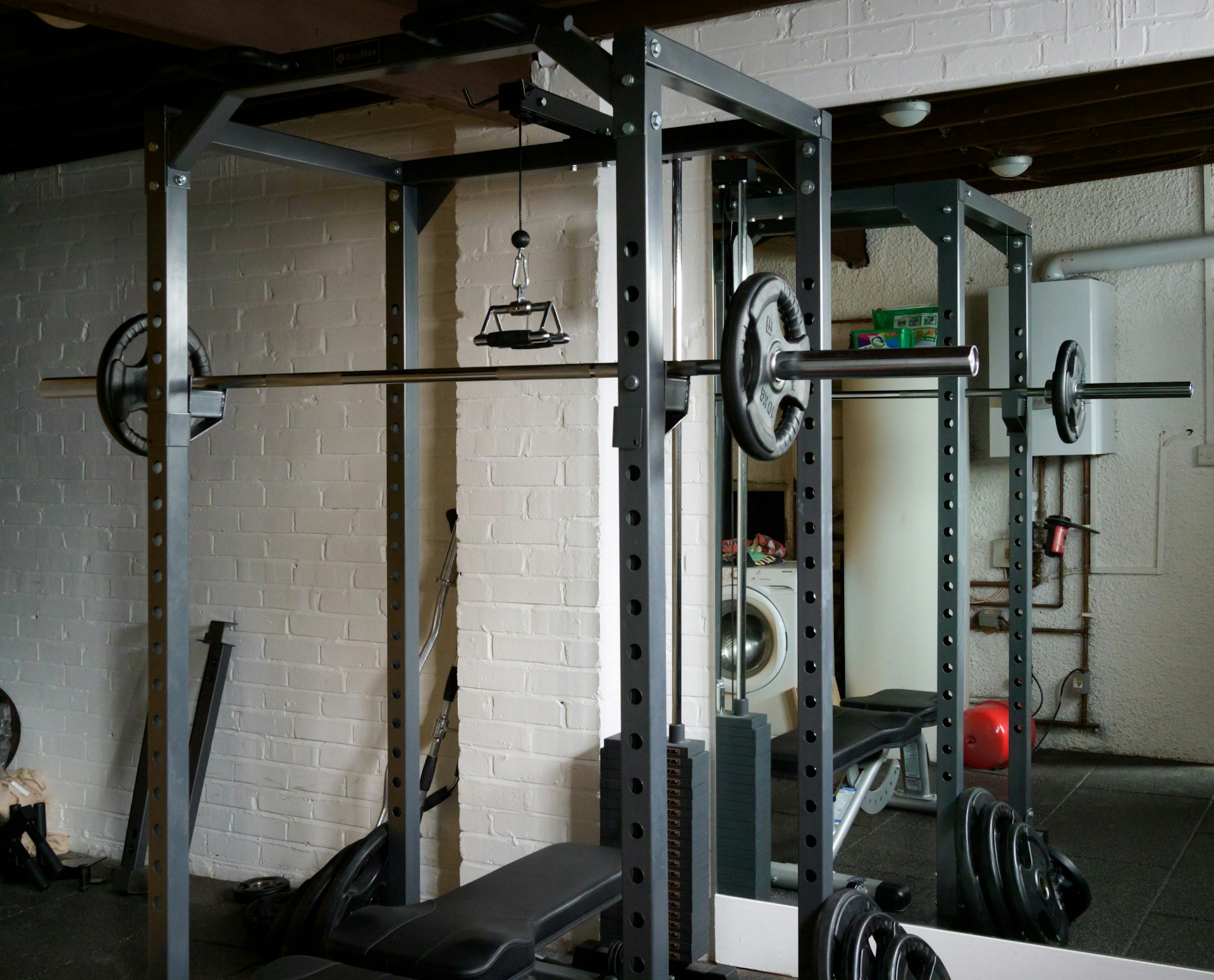
How to Convert Your Garage into a Home Gym
-
Posted by
If you’re tired of driving to the gym or dealing with crowded workout space...



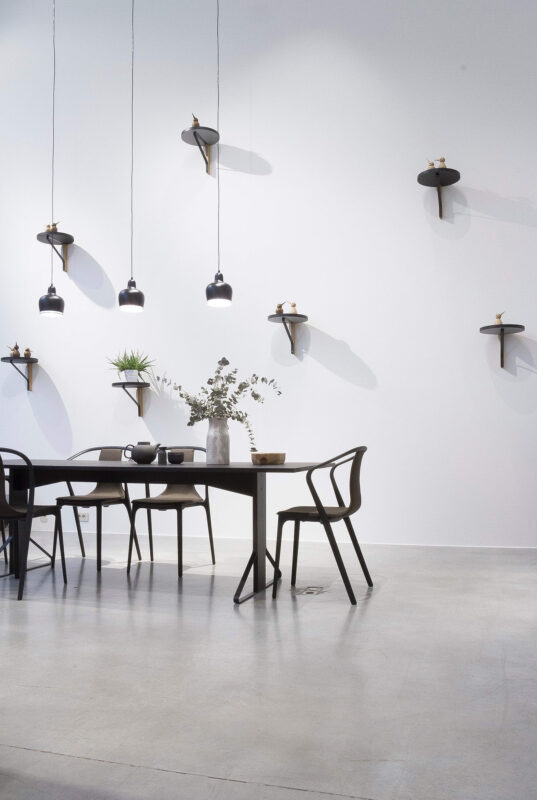
The corners of your living room space can easily be forgotten …
How to Embrace Classic Antique Decor What comes to mind …


Upgrading an outdoor space should start with facts, not guesswork. The right sources help you choose materials, plan timelines, and avoid budget creep. When information is clear and consistent, you can move from idea to build with confidence.
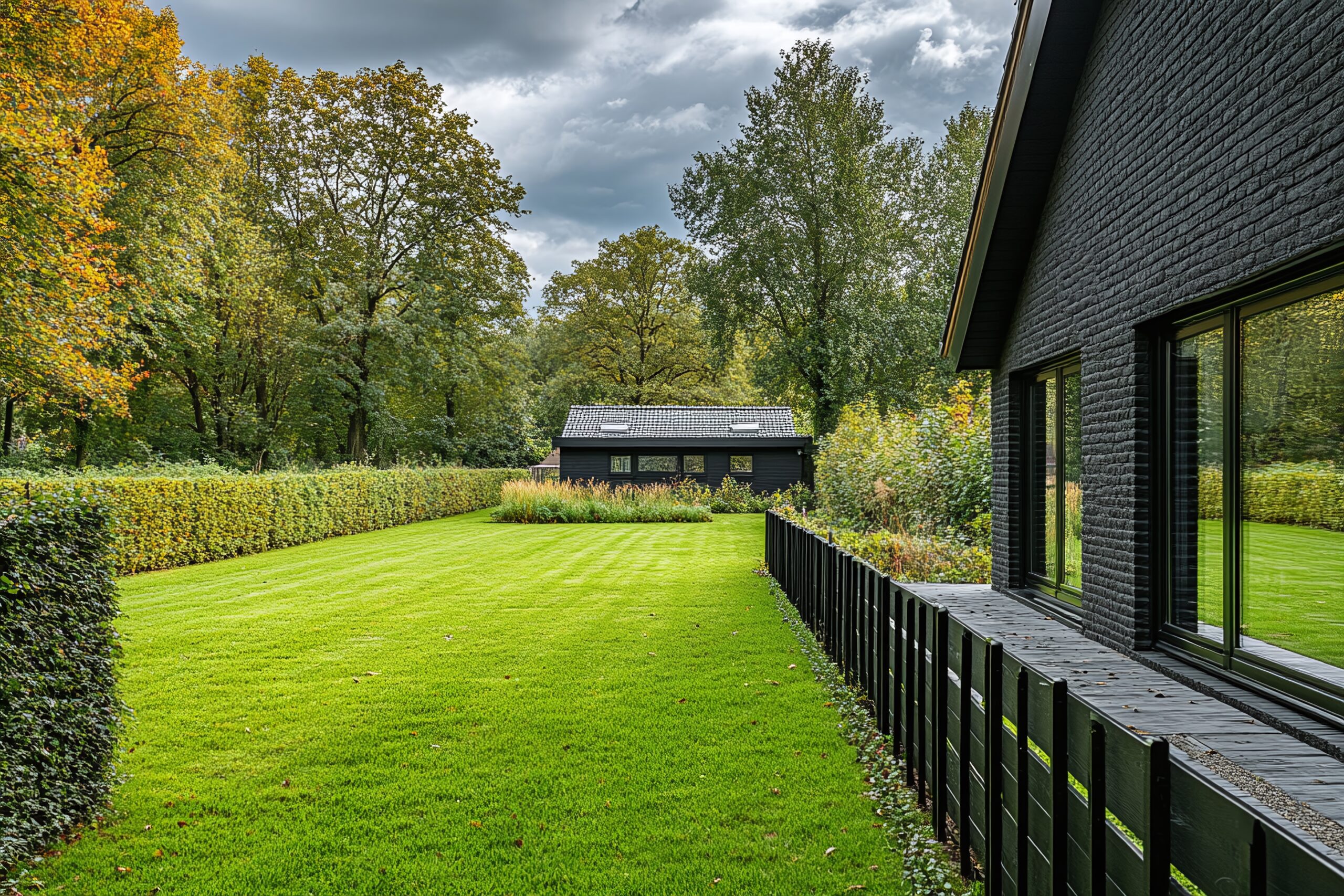
This guide maps out trusted places to look before you buy, pour, plant, or wire. You will learn what to check for codes, climate, energy use, water, safety, and long-term care. Use these checkpoints to shape smarter plans.
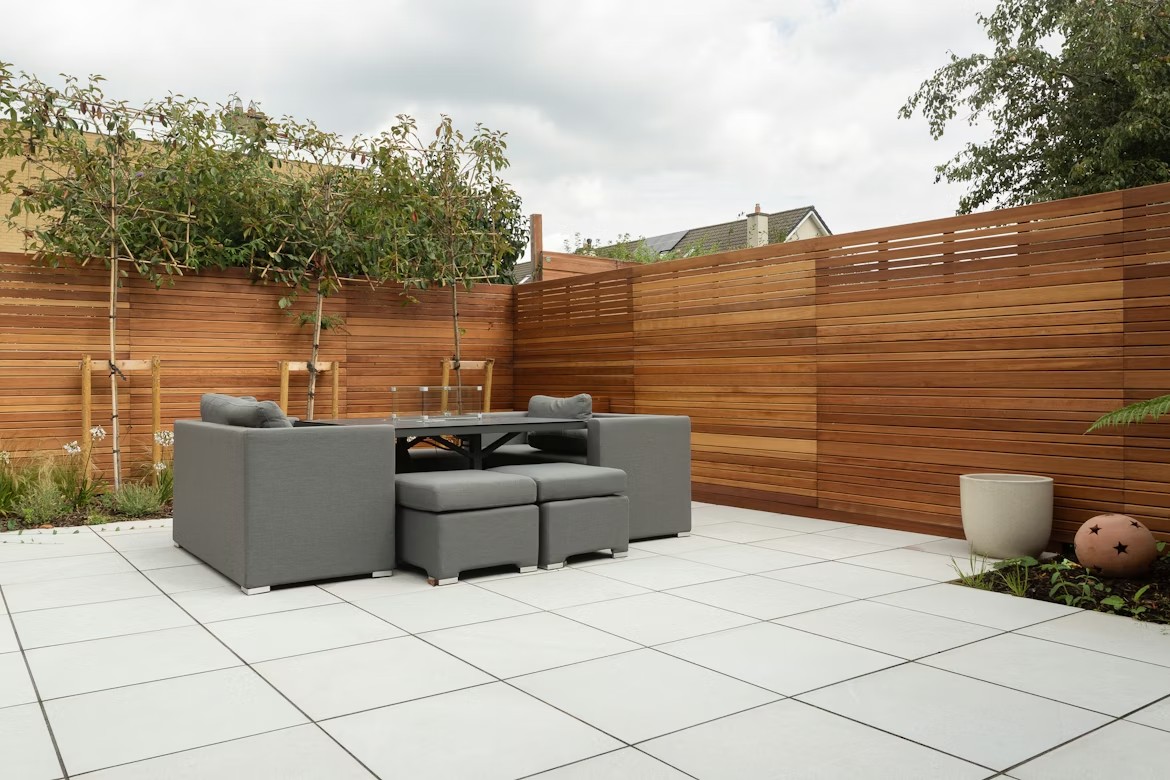
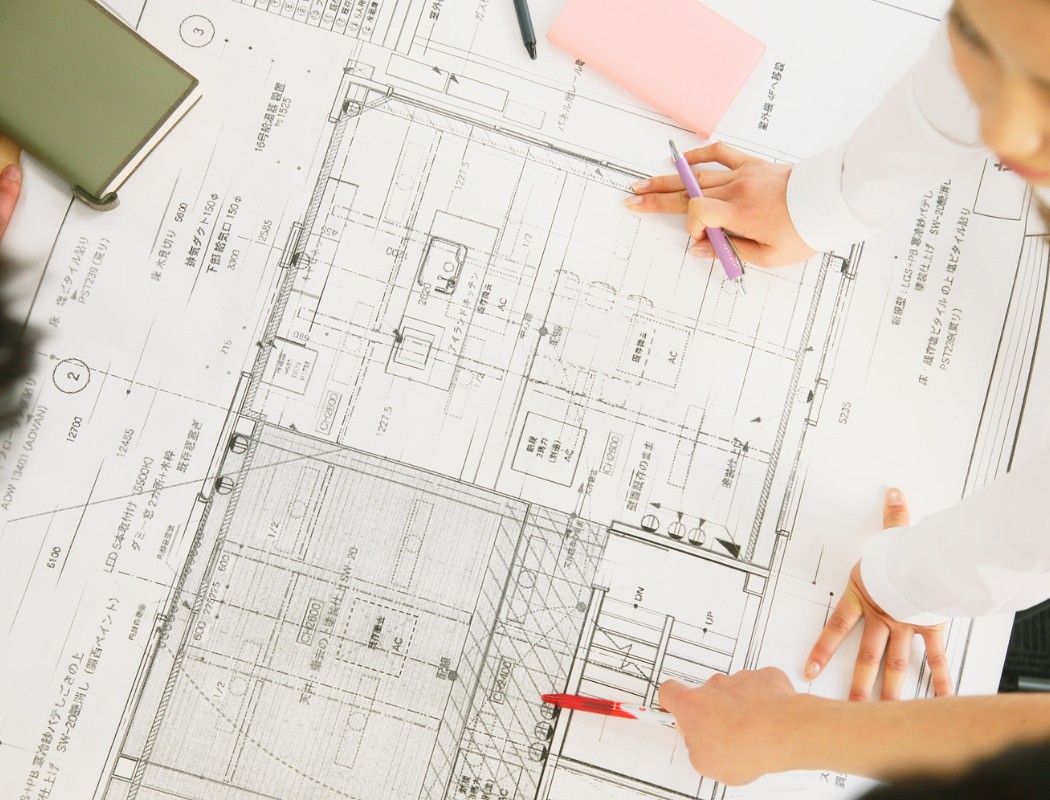
Before you sketch a deck or patio, confirm what is allowed on your lot. Local codes set rules for setbacks, heights, railings, footings, lighting, and steps. Permit pages often explain inspections and list forms you will need.
Do not rely on a neighbor’s memory or an old forum post. Code cycles update, and small details change the materials you must choose. If you are in a bushfire or high wind region, additional rules may apply.
Find your city or council portal and bookmark the building and planning sections. Read the definitions for accessory structures and outdoor living areas. If the language is unclear, call the desk and note the staff member and date.
Local insight shortens the learning curve. Nurseries, stone yards, and timber suppliers know what fails in your area. They can steer you to the right species, mix, or finish for your soil and sun.
Walk the sample yards and bring photos of your site. Comparing textures and sizes in person helps you avoid scale mistakes. Ask about lead times so your schedule stays realistic.
You can browse professional galleries for layout ideas. Take a look at sites such as https://www.tiptopyards.com.au/ to see how different materials meet in real yards, and those photos help you spot details you might miss. Save the examples you like most and note why.
Your microclimate decides how long an outdoor upgrade lasts. Freeze cycles, coastal salt, UV exposure, and rainfall shape what works on the ground and above it. Choose materials that match both your climate zone and site exposure.
Treated pine, hardwoods, composites, steel, and concrete all react differently to weather and wear. Sealer schedules, fastener types, and footing depths follow from that first climate match. Cheaper can cost more if you rework the job in two years.
Use local climate normals and maps to set expectations for moisture and heat. Ask suppliers for durability data and warranty terms in your zone. Compare maintenance steps by season, not just by year.
Good lighting makes paths safer and spaces usable after dark. It adds cost if you choose the wrong fixtures or controls. Plan light levels by task areas, then select fixtures with safe ratings for wet or damp locations.
A federal energy guide notes that lighting can be about 15% of a typical home’s electricity use, and households can save roughly $225 each year by switching to LEDs. Use that as a benchmark while you size your transformer and choose controls.
Pair low-voltage systems with timers, photocells, and motion sensors. Shield beams to cut glare across neighboring lots. Keep wiring in conduit where needed, and confirm depth and GFCI protection rules before you trench.
Water is the hidden risk in many outdoor projects. Standing water can heave pavers, rot posts, and push soil against foundations. Aim for gentle slopes that carry water away from structures and into approved drains.
Permeable pavers, strip drains, and gravel trenches help move stormwater safely. Downspout extensions and splash pads keep roof runoff from washing out beds. If you add a new patio, check that nearby soil still sits below the foundation line.
When in doubt, run a hose test before you pour or compact. Watch where water pools and how long it takes to clear. A small change in grade now can prevent a costly fix later.
Decks blend structure and finish, so treat them like small buildings. Choose joist sizes and spans from approved tables, then pick a surface that fits your climate and foot traffic. Railings must meet height and load standards to pass inspection.
Compare composites, hardwoods, and modified woods for heat gain, traction, and fastener systems. Many modern boards allow hidden clips, which speed installation and reduce water traps. Note the temperature swing on your site to avoid board creep.
Stairs deserve special care. Tread depth, riser height, and lighting affect daily comfort and safety. If you add built-in seating or planters, account for the added weight over support beams.
The right plant, right place saves money and effort. Group plants by sun, wind, and water needs to cut losses in the first summer. Native and climate-fit species often need less care once established.
Irrigation design should match soil type and slope. Drip lines reduce evaporation and keep foliage dry, which helps prevent disease. Smart controllers adjust schedules after rain and during heat events.
Mulch is a quiet hero. It reduces weeds, holds moisture, and protects roots from heat and cold. Keep mulch clear of trunks and decking edges to prevent pests and staining.
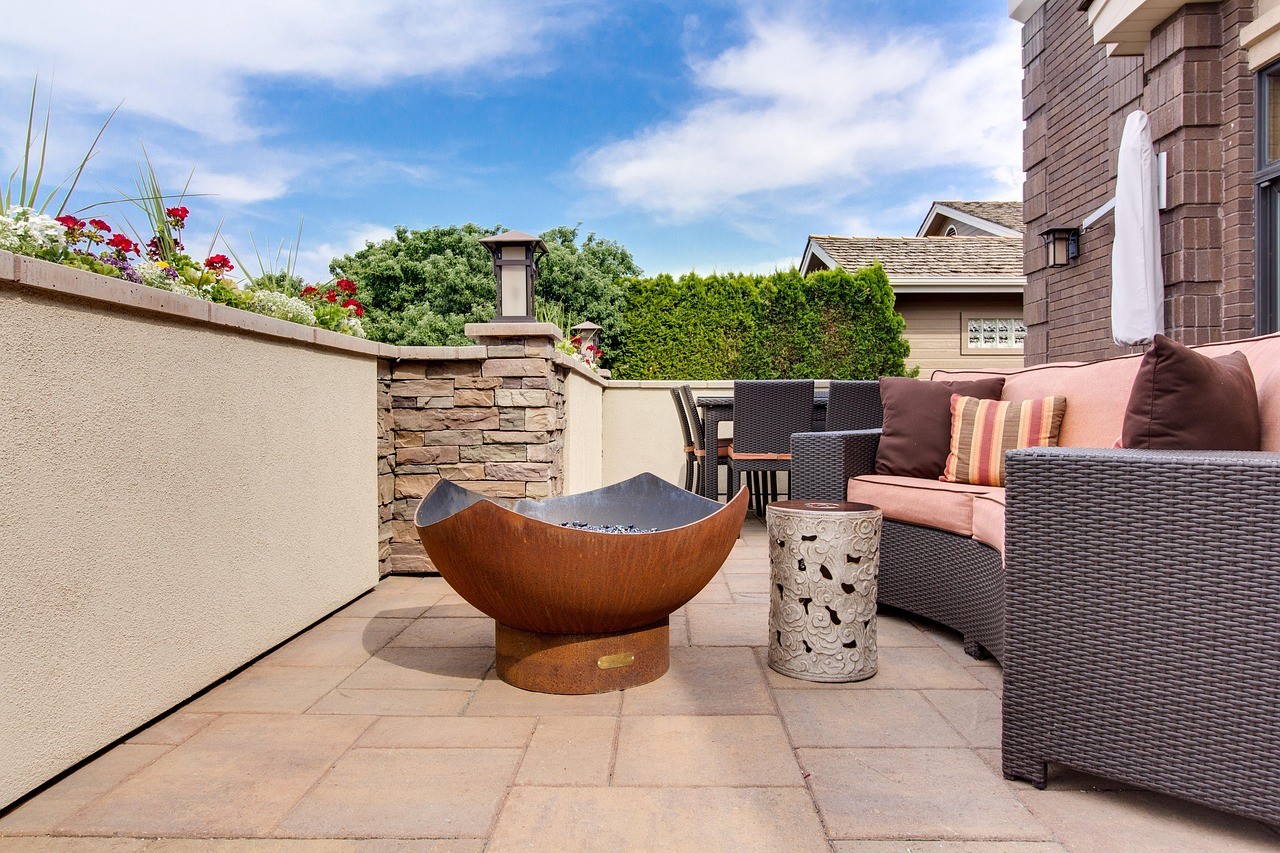
Better sources lead to better outcomes. Codes set the rules, while climate and use shape your choices. With a plan that respects water, light, and safety, upgrades feel solid from day one.
Take time to confirm details before you cut, dig, or pour. Let local data and reliable guides inform the order of your steps. The result is an outdoor space that works the way you live.