Top Deck Builders in Overland Park: How to Choose Right
-
Posted by
The demand for deck builders in the United States is at an all-time high. A...



They say that size isn’t everything, and we’re here to prove it …

Houseplants are a great way to decorate a rental property …




Get Inspired by Our Top Flooring Tips For 2022 When it …


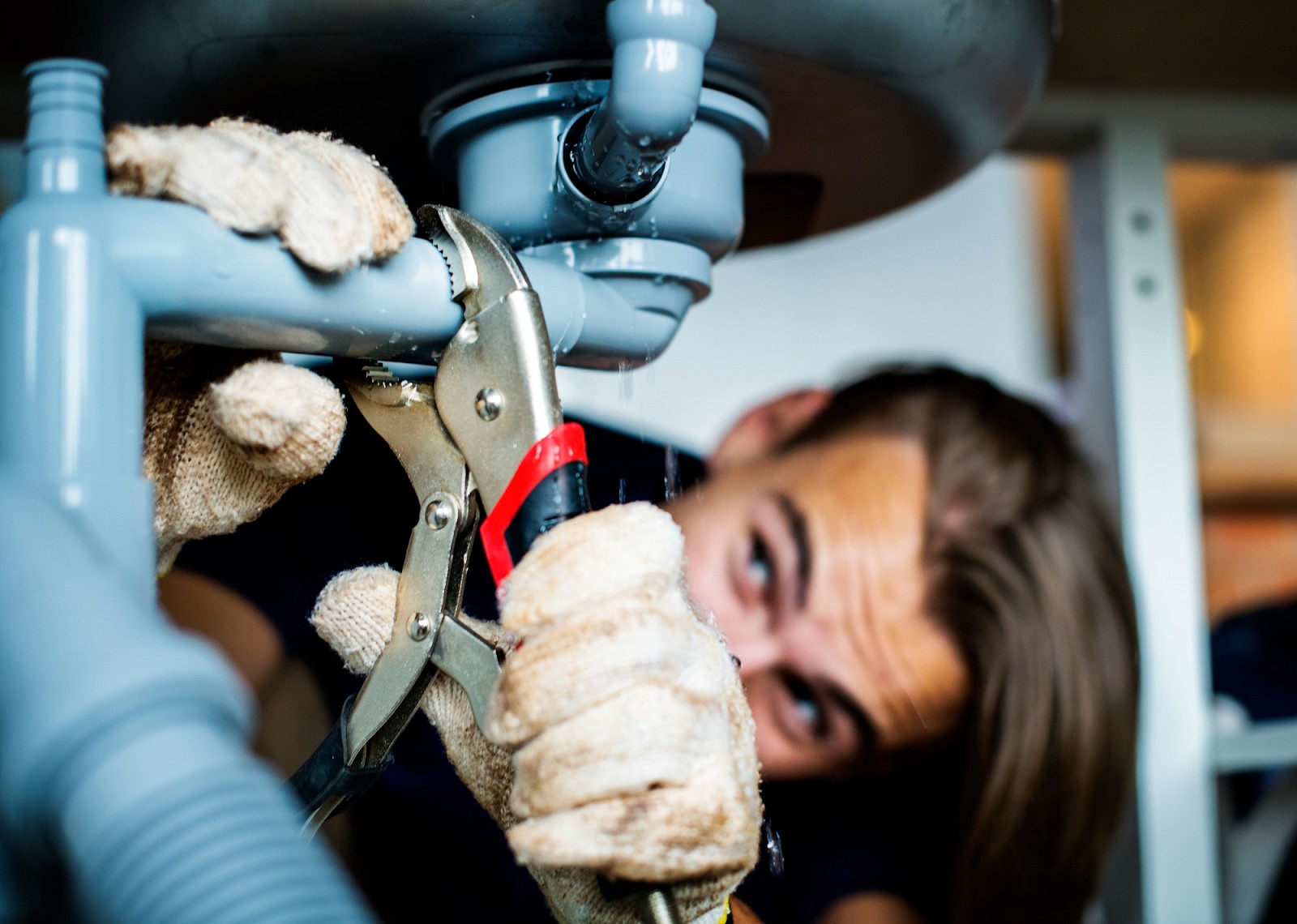
Plumbing problems tend to arise at the most unexpected times. When your pipe explodes in the middle of the night, or a toilet overflows in the midst of a busy morning, or when you lose your water flow without warning, this can put your family in an instant crisis.
During such times, panic usually strikes, and one cannot think clearly. Nevertheless, properly timed and efficient reactions can be the difference between minor discomfort and severe property damage.
A quick, silent response can secure your house as well as save on the cost and the stress of repairs. Knowing what to do in the event of a plumbing emergency, homeowners can put the situation back on track and prevent the problem from escalating. It should be made clear that time is of the essence.
It is beneficial to understand what constitutes a real plumbing emergency before taking action. Burst pipes, sewage blockages, large-scale leakages, or a total lack of water supply are situations that require urgent action. These problems pose a hazard to your home and family.
Minor issues, such as slow drains or small drips, may not be urgent. Nonetheless, even these problems may deteriorate when they are neglected. Thus, you can see the seriousness of the problem and react accordingly. To determine whether the situation is urgent, you can take decisive actions without panic.
Shutting off the water is the first and most crucial action to take once an emergency has been detected. Turn off the water flow and save more time. This is the only move that can help alleviate the magnitude of the problem in many emergencies.
A main water shutoff valve is typically the type of valve found in most houses, located at or near the water meter or where the main water line enters the house.
In others, each fixture has its own shutoff valve. It is crucial to know the location of these valves in advance, before an emergency occurs. Consequently, you can operate quickly, as opposed to taking the time to find them.
Turning off the water heater is a necessity in specific plumbing crises, such as hot water line issues. A running water heater may overheat or become damaged when the water supply is interrupted.
In the case of traditional tank water heaters, it is always advisable to turn off the power or supply when not in use to prevent further problems. Likewise, the tankless system might have to be turned off.
This step may not seem essential, yet it is crucial in securing your plumbing system and appliances in the event of an emergency. That is why it is better to include it in your response plan, allowing you to protect yourself more effectively.
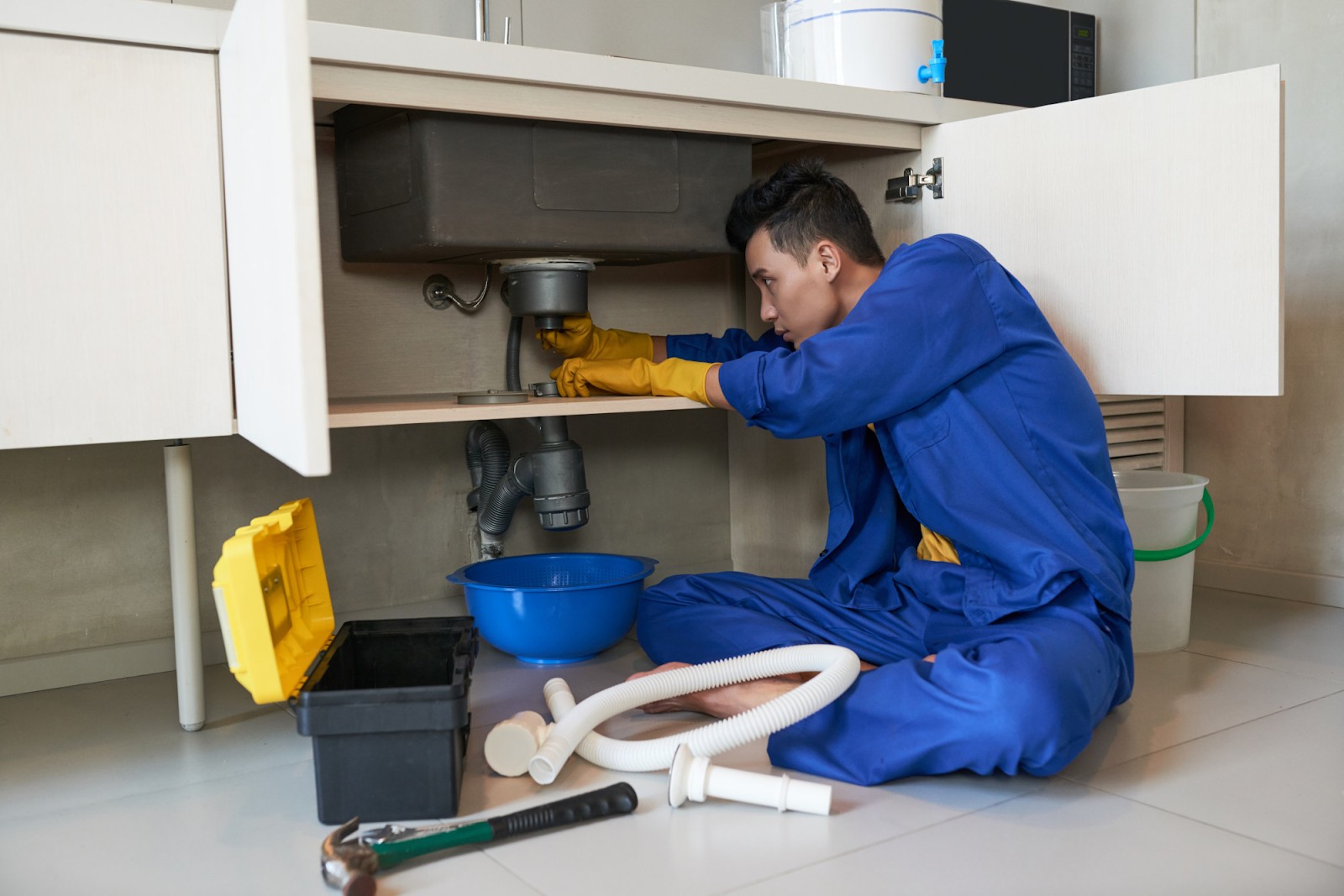
Once the water is turned off, the next step is to minimize the harm in your house. Floods on floors, walls, and furniture can readily penetrate, resulting in permanent issues such as mold and structural deterioration.
Totaling water that is standing can be contained and removed by using towels, buckets, or mops. Additionally, the displacement of valuable items and furniture will prevent further losses. Although these measures might be daunting, acting quickly will minimize the effects of the crisis and accelerate recovery as soon as repairs begin.
Water spills into unforeseen locations, posing a risk of electrical shocks, which can be considered plumbing emergencies. Water and electricity are a very deadly combination, and therefore, one should exercise caution.
Whenever water comes into contact with electrical outlets, appliances, or breaker panels, it is essential to switch off the electricity in the affected areas.
This, however, is subject to safety first. One should not touch electrical parts when they are wet. Through electrical safety, you avoid the risk of further harm to yourself or your home when you are already stressed.
Homeowners are often tempted to fix a plumbing emergency quickly, as this is a desperate effort to solve a plumbing issue. Some of these temporary measures are effective, but others may exacerbate the problem when implemented incorrectly.
For example, fitting fittings too tightly or using the wrong materials can result in further harm. At this point, it is essential to consider containment and not repair.
The only purpose of temporary solutions should be to minimize the flow of water or to stop further destruction until professional assistance arrives. By not complicating the situation, you cannot make it more complicated.
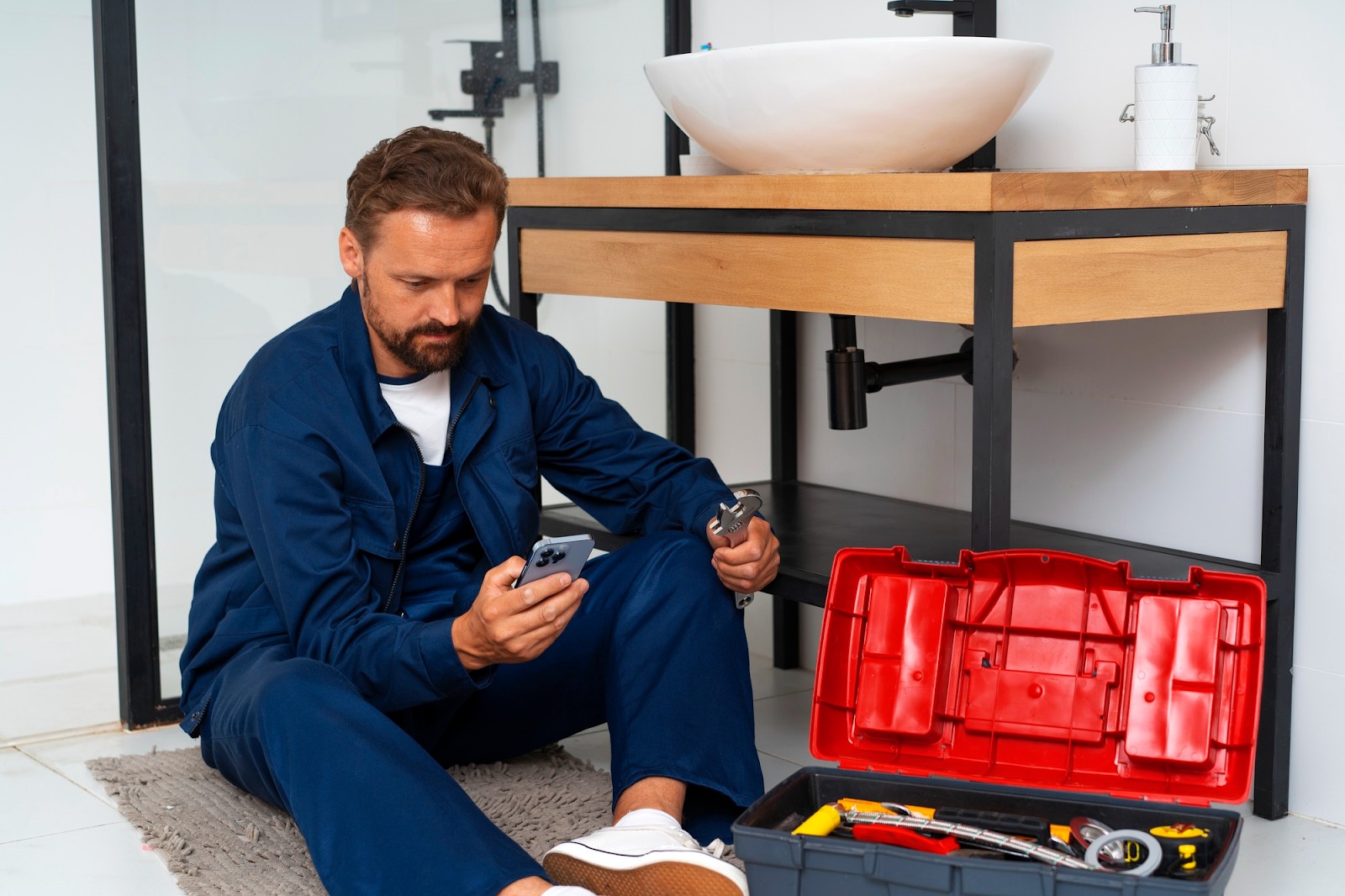
Although it is essential to act quickly, it is also crucial to know when to consult a professional plumber. The majority of plumbing crises cannot be solved using standard tools and skills to ensure safety and effectiveness. Procrastination with professional help may cause greater damage and increase the costs of repair.
As soon as specific measures are taken to manage the situation, one of the first things to do is to call a qualified plumber. The proficiency of prompt service can be achieved by giving clear information regarding the issue. Professional intervention will therefore repair your plumbing system correctly and avoid recurrent problems.
In the event of a plumbing emergency, it can be challenging to remain calm, but this aspect is crucial for responding effectively. Panic can lead to hasty decisions and steps that are forgotten. It is possible to pause and evaluate the situation to think more clearly.
Also, the ability to communicate effectively with the family members can be used to coordinate efforts. With easy tasks, such as collecting towels or transferring objects, all members are focused, and there is less confusion. Effective communication also enhances communication with professionals, as it ensures they are aware of the urgency and details of the problem.
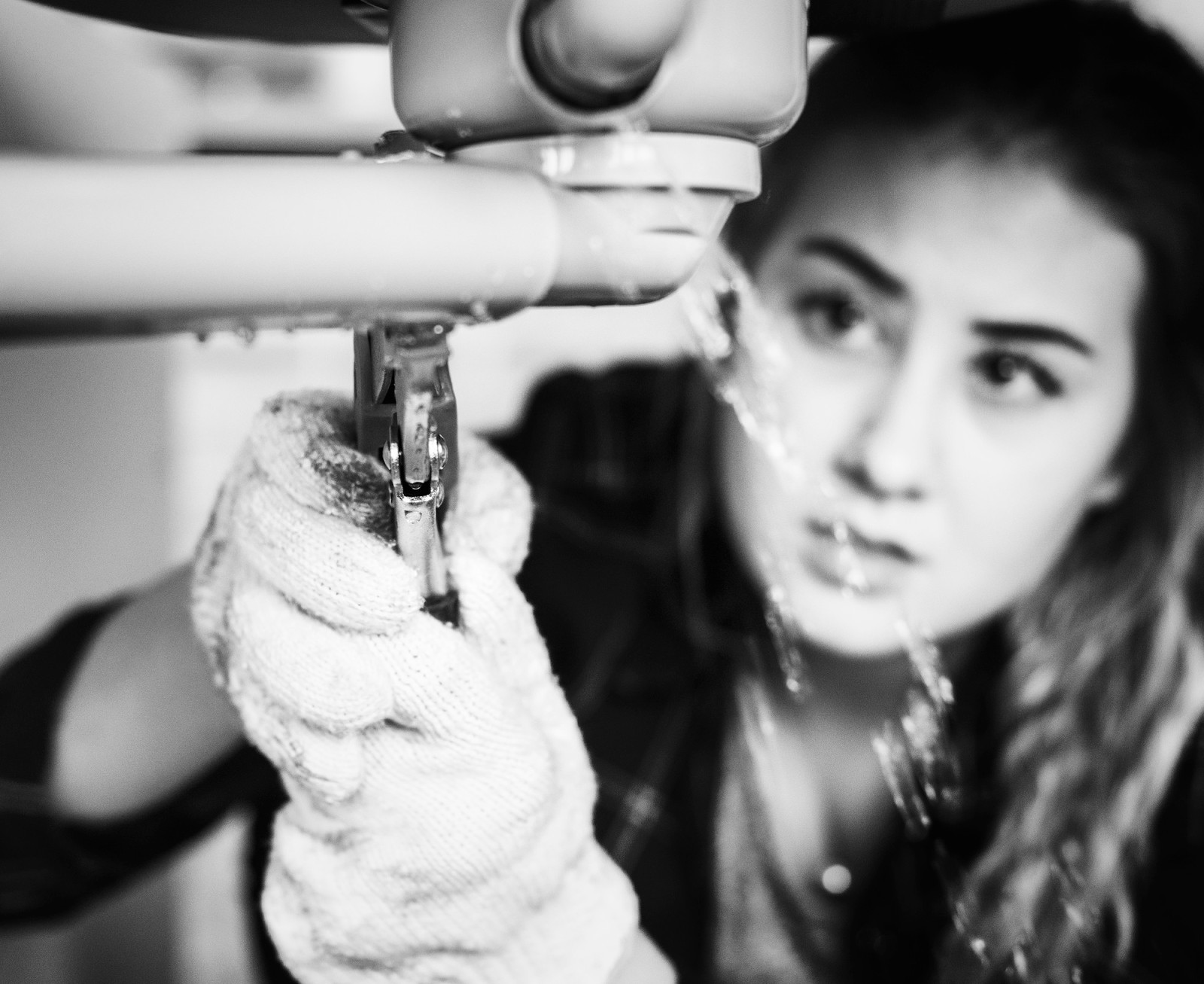
Although emergencies cannot be predicted in advance, preparation is a crucial way to reduce response time. Getting to know the plumbing system of your house, including the location of shutoff valves and drainage, is also a necessary measure. It is also beneficial to keep emergency supplies, such as towels, buckets, and flashlights, in a readily accessible location.
Additionally, having contacts of a reliable plumber will ensure that there is no wasted time in case of urgent situations. The preparation would turn a disorganized situation into a comfortable one. Homeowners can plan, which gives them confidence and control in case of emergencies.
It is easy to feel overwhelmed by the idea of responding to a plumbing crisis, and taking the correct steps will make a tremendous difference.
Cutting off the water supply and reducing the damage caused are just one part of containing the situation; prioritizing and calling a professional should be the first step.
Chaos can be transformed into action by preparation, calm decision-making, and effective communication.