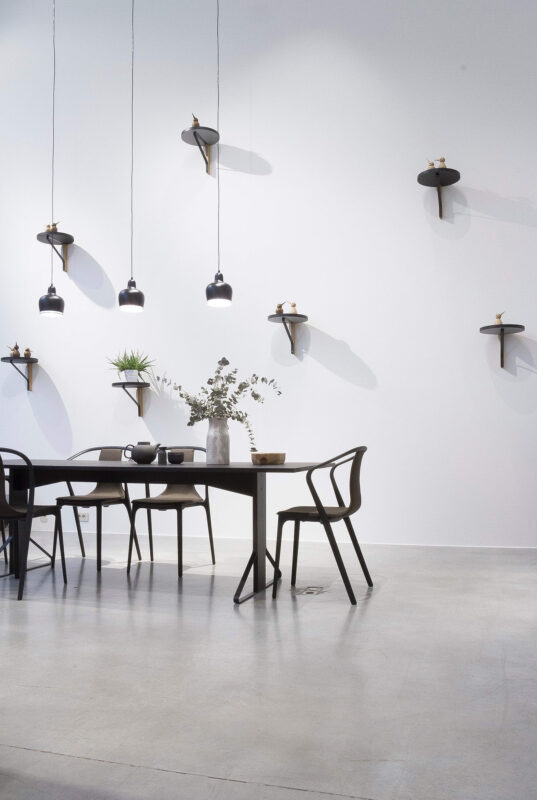
What Are Transitional Interior Designs?
-
Posted by
Do you want to know about transition interior designs? If yes, then don’t w...



Just moved in or are about to buy a property and have been asking …




Travel is good for us. Beyond opening our eyes to new and …

Renting a property is rarely as simple as paying a monthly fee and moving in. In most cases, tenants are required to prepare a substantial amount of money upfront, and one of the biggest components of that cost is the security deposit for rent. Depending on the property and lease terms, this amount can equal one or even two months of rent, which makes it a significant financial commitment before the tenancy even begins.
For many renters, especially those relocating or managing multiple expenses, this requirement can feel restrictive. It raises important questions about how the system works, whether it is always fair, and if there are more flexible alternatives available today.
If you are entering the rental market for the first time, you might ask: what is a security deposit for rent?
A security deposit is an upfront payment made to a landlord as a form of financial protection. It is held throughout the lease period and is intended to cover potential risks such as damage to the property, unpaid rent, or breaches of the rental agreement.
This means that the deposit is not part of your rent and is not meant to be spent. Instead, it serves as a safeguard that can be used if something goes wrong during the tenancy.
To clearly explain what is a security deposit for rent, it is a refundable amount that protects the landlord, provided that the tenant meets all obligations and returns the property in good condition.
In most markets, the size of the deposit is tied directly to the lease duration and rental price. A common structure includes:
For example, if a tenant rents a property for $3,500 per month, they may need to prepare between $3,500 and $7,000 upfront. This is in addition to the first month’s rent and any other associated costs.
Once paid, the deposit is held by the landlord for the duration of the lease. At the end of the tenancy, the property is inspected. If there are no outstanding issues — such as damage or unpaid bills — the deposit should be returned in full.
However, in practice, this process can vary. The timeline for returning funds, the criteria used to assess damages, and the communication between tenant and landlord can all affect the final outcome.
While the system is designed to protect landlords, it often creates challenges for tenants.
One of the biggest concerns is the upfront financial burden. Paying a large security deposit for rent can significantly reduce available cash, especially when combined with moving costs, furniture purchases, and other setup expenses. This can make it harder for tenants to choose the property they truly want.
Another issue is the uncertainty around deductions. Tenants are not always given clear guidelines on what counts as acceptable wear and tear. As a result, disagreements may arise when landlords decide to deduct costs from the deposit.
Delays in receiving funds back are also common. Even in cases where there are no disputes, tenants may need to wait for the landlord to process the return, which can complicate plans for securing a new rental.
In more difficult situations, tenants may find that part of their deposit is withheld. Resolving these cases can require time, documentation, and sometimes negotiation, which adds further stress to the moving process.
To better understand the risks, it helps to look at typical situations where problems with a security deposit for rent occur:
Tenants and landlords may have different expectations about what counts as damage. For example, minor wall marks or worn flooring may be considered normal wear by tenants but chargeable damage by landlords.
At the end of a lease, landlords may deduct cleaning or repair costs. If these expectations were not clearly defined at the start, disputes are more likely.
Without proper photos, checklists, or written agreements, it becomes difficult for tenants to prove the original condition of the property.
In some cases, delays in inspection or communication can slow down the return of funds, even when there are no major issues.
Breaking down these scenarios highlights why many tenants feel uncertain about relying solely on a traditional security deposit for rent system.
As rental markets evolve, tenants are beginning to look for alternatives that reduce the need for a large upfront security deposit for rent. Advances in financial technology and property platforms have made it possible to rethink how rental guarantees work.
Instead of paying a full deposit, some services now offer solutions where tenants can move in with lower initial costs. These models are designed to provide the same level of protection for landlords while giving tenants more flexibility.
Rather than locking away thousands of dollars, renters can allocate their money more efficiently — whether for savings, investments, or other living expenses.
If you want to understand how much you might save by choosing a more flexible approach, you can explore alternatives to a security deposit for rent.
The traditional deposit model has been used for decades and is widely accepted. Its main advantage is that it is refundable, which means tenants can recover their money if everything goes smoothly.
However, it also comes with clear drawbacks. It requires a large upfront payment, ties up funds for long periods, and can lead to disputes at the end of the lease.
Modern alternatives aim to address these issues. While they may involve a service fee, they allow tenants to avoid large initial payments and maintain better cash flow. For many renters, especially those who value flexibility, this trade-off can be worthwhile.
Not every tenant will want to replace a deposit, but there are situations where doing so can be beneficial.
If you are moving frequently, relocating internationally, or managing multiple financial commitments, avoiding a large security deposit for rent can make the transition much smoother.
It may also be a good option if you prefer to keep your savings accessible rather than tied up in a deposit for an extended period. In addition, tenants who have experienced disputes in the past may appreciate a system that reduces the risk of disagreements.
The security deposit for rent remains a standard part of renting, but it is no longer the only approach available. While it serves an important purpose, it can also create financial strain and uncertainty for tenants.
By understanding what is a security deposit for rent and how it functions, you can better evaluate whether it suits your situation. At the same time, exploring modern alternatives can help you reduce upfront costs and gain more control over your finances.
As rental markets continue to evolve, tenants who stay informed and open to new solutions will be in a stronger position to make smarter, more flexible housing decisions.