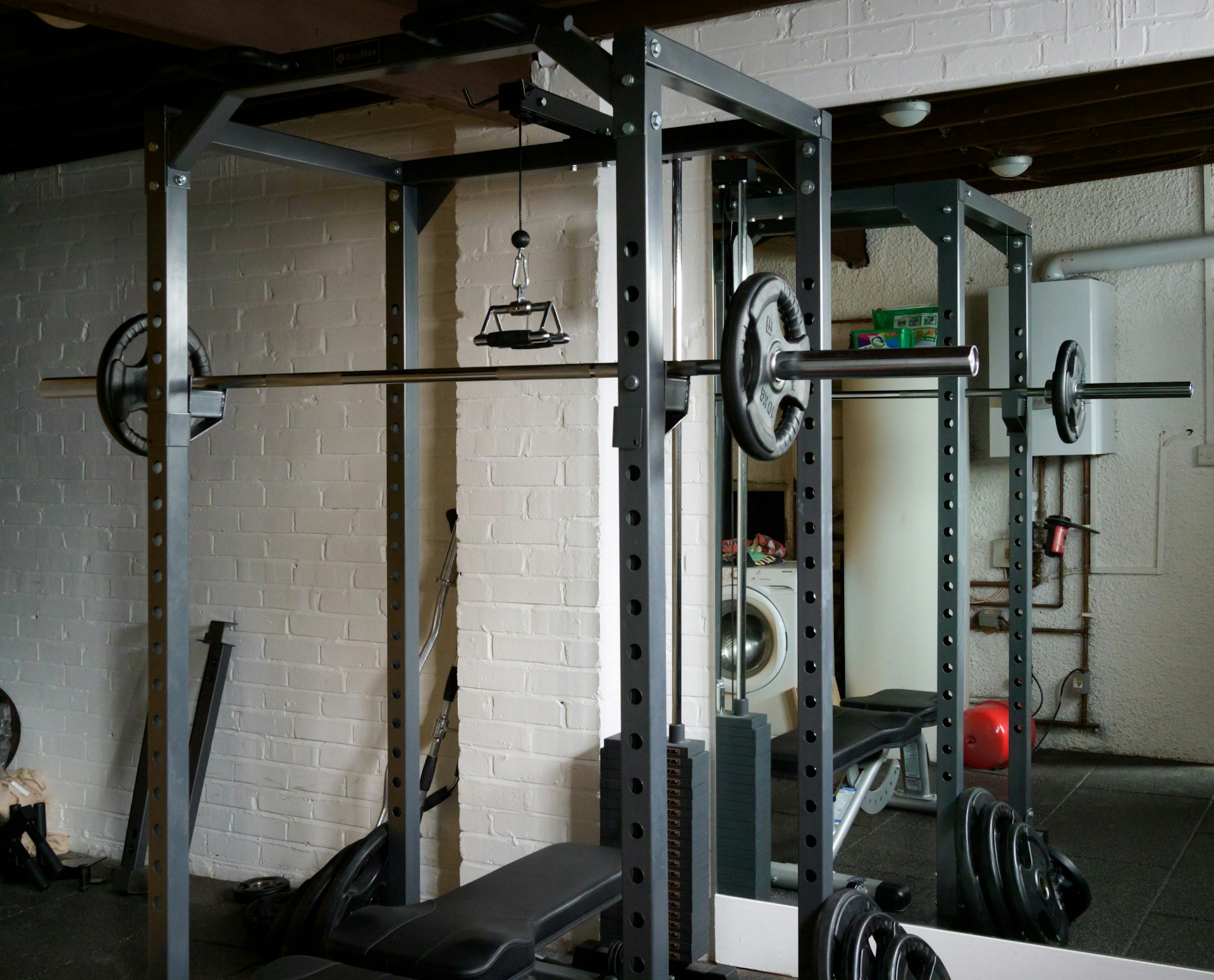
How to Convert Your Garage into a Home Gym
-
Posted by
If you’re tired of driving to the gym or dealing with crowded workout space...


The corners of your living room space can easily be forgotten …
How to Embrace Classic Antique Decor What comes to mind …

Sliding doors have a way of changing a room without “changing the room.” You don’t just get a different door—you get better flow, cleaner sightlines, and more usable floor area. That’s why sliding systems show up everywhere from compact condos to large open-plan homes: they make daily movement easier, help zoning feel intentional, and can look either subtle or statement-making depending on the style you choose. Triodoors notes that sliding doors help save space and can use different opening systems, which is exactly the flexibility homeowners look for when planning modern interiors.
The most obvious benefit is space. A hinged door needs clearance; a sliding door doesn’t swing into the room—so you can place furniture closer, keep hallways open, and avoid awkward collisions near tight corners. Triodoors emphasizes that sliding doors don’t require a large space to open and are ideal for small rooms, which is a very practical reason people start considering them.
But beyond “saving space,” sliding doors solve a few everyday challenges:
A key detail many people forget: a sliding door is both a design feature and a mechanical system. If the system is right, the door feels smooth and quiet. If the system is wrong, the door becomes an everyday annoyance. So the “best” sliding door is usually the one that matches how you actually live.
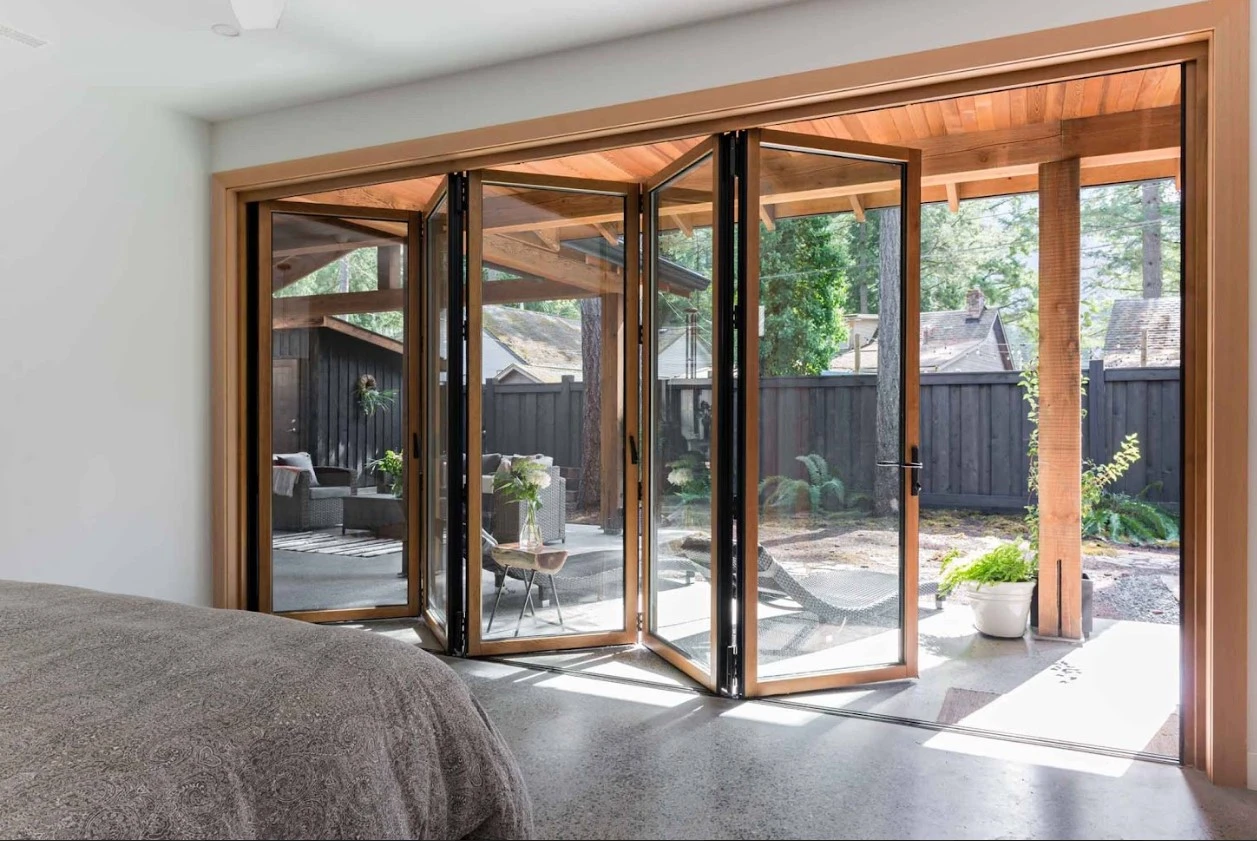
Before you pick a color or panel style, decide on the opening method. Triodoors mentions sliding doors can have different opening systems, which is where the planning should start.
Here are the most common system types and what they’re best at:
What to consider before you decide:
Triodoors highlights a large assortment of sliding hardware in its online store, which signals that hardware selection is a major part of getting the right result—not an afterthought.
Sliding doors can look modern and minimal, warm and classic, or even industrial depending on finish and hardware exposure. If you want a clean contemporary interior, “modern sliding doors” are positioned as space-saving and small-room friendly on Triodoors’ modern style page.
To make the result feel intentional, align the door style with the room’s “visual rules”:
1) Match the door to the architecture of the room
If your walls are smooth and minimal, choose a calm door face (flat or subtle grooves). If your room has paneling, bold trim lines, or textured finishes, you can either echo that texture or intentionally contrast with a simpler door.
2) Plan the track presence
Exposed tracks can become a design feature (barn-inspired, industrial, bold). Hidden or minimal tracks keep attention on the wall plane and the door surface.
3) Consider glass for light zoning
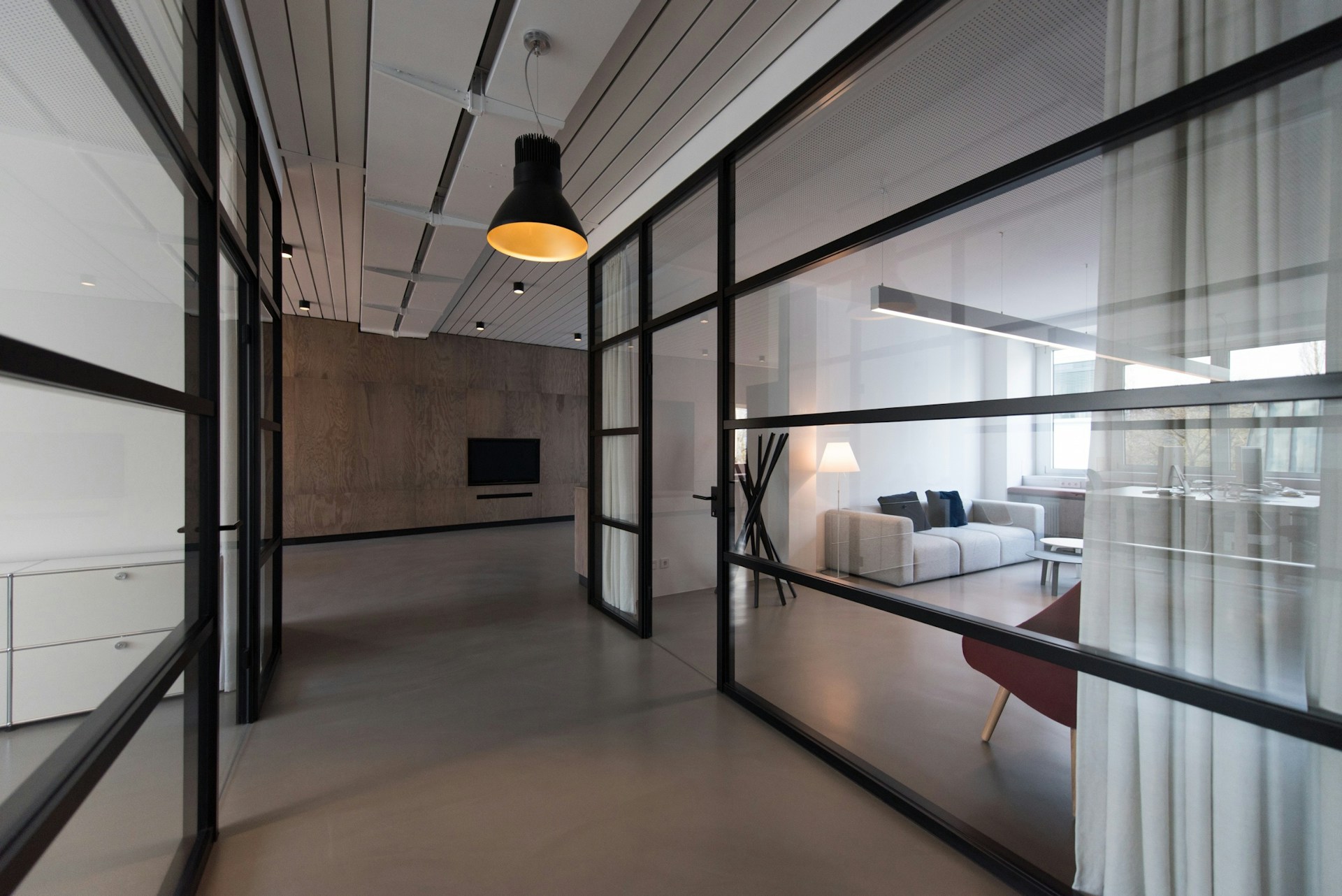
In open-plan spaces, a glass sliding partition can separate areas while keeping them visually connected. Triodoors showcases glass room dividers/partitions as part of its interior solutions catalog.
If you’re building a cohesive interior across multiple rooms, it helps to choose sliding solutions from a catalog that also includes interior doors, partitions, wall panels, and handles—so finishes, proportions, and style language stay consistent. Triodoors (https://triodoors.ca/) notes that its catalog includes interior doors, sliding systems, glass room dividers, wall panels, and door handles.