The concept of ‘home’ is rapidly evolving. Driven by technological innovation, increasing environmental awareness, and a post-pandemic prioritization of personal well-being, the residences of the future will be fundamentally different from those of today. They will be more intelligent, significantly less impactful on the planet, and deeply tailored to the psychological and physical needs of their occupants. This article explores the key pillars defining the next generation of residential architecture and design.
The Rise of Smart Integration and IoT
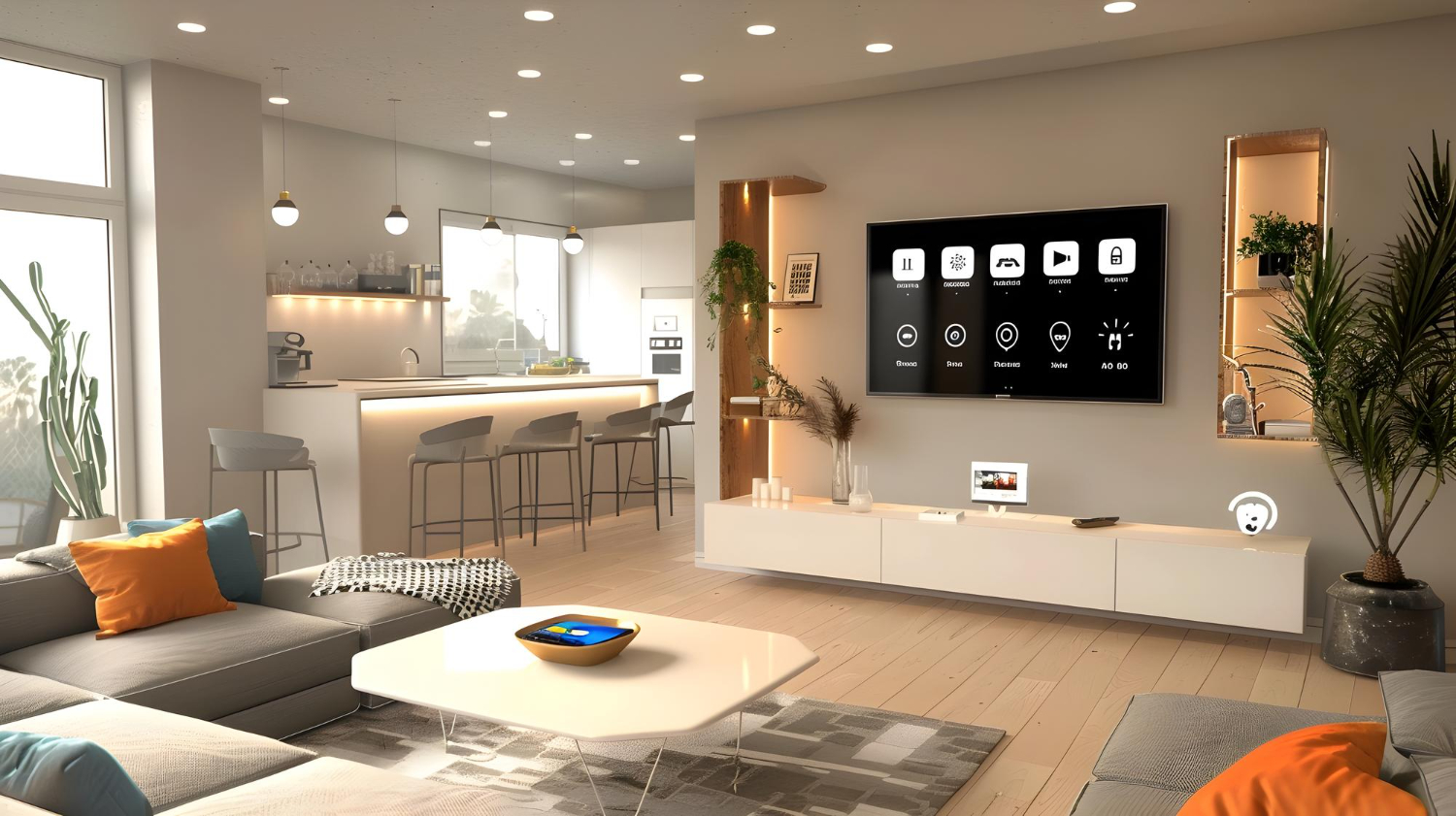
The term “smart home” has moved beyond simple voice-activated assistants and automated lighting. The future home is an integrated ecosystem where all systems communicate seamlessly, learning and adapting to the occupants’ routines in real-time.
Key Aspects of Advanced Smart Homes:
- Predictive Maintenance: Sensors embedded in appliances, plumbing, and structural elements will detect potential failures before they occur, automatically scheduling repairs or ordering replacement parts.
- Adaptive Climate Control: Sophisticated algorithms will go beyond simple temperature settings. They will analyze factors like outside weather forecasts, insulation efficiency, occupant location within the house, and even individual metabolic rates to maintain optimal comfort and minimize energy waste.
- Integrated Security: Security systems will leverage AI for facial recognition and anomaly detection, moving past simple motion sensors. The system will distinguish between a known family member, a delivery person, or a genuine threat.
- Smart Kitchens: Appliances will manage inventory, suggest recipes based on available ingredients, and even monitor nutritional intake.
- Personalized Wellness Spaces: Technology will monitor sleep, air quality, and noise levels, making adjustments to lighting (circadian rhythm lighting), humidity, and soundscapes to promote health. Tools, such as an advanced bathroom planner software, will allow homeowners to visualize and integrate smart features like hydrotherapy systems or automated vanity mirrors into their most private spaces, long before construction begins.
The Imperative of Sustainable Design
Sustainability is no longer an optional luxury; it is becoming a core design requirement, mandated by climate change and stricter building codes. The future home will be a net positive contributor to the environment.
Core Principles of Sustainable Future Homes:
- Net-Zero and Net-Positive Energy: Homes will generate more energy than they consume, primarily through high-efficiency solar panels, wind turbines (especially in urban high-rises), and geothermal heating/cooling.
- Advanced Insulation and Envelope Design: Utilizing materials like aerogel and smart glass (electrochromic glass) that can automatically adjust tinting based on sunlight, reducing the need for active cooling.
- Water Conservation Systems:
- Greywater Recycling: Systems will purify and reuse water from sinks and showers for irrigation and toilet flushing.
- Rainwater Harvesting: Collecting and filtering rainwater for non-potable uses.
- Water Leak Detection: Smart sensors will instantly flag even minor leaks, saving significant amounts of water.
- Sustainable and Local Materials: Preference for locally sourced, recycled, or bio-based materials (e.g., cross-laminated timber, bamboo, mushroom-based insulation) to reduce the carbon footprint associated with transportation and production.
Personalization and Flexibility: The Human-Centric Home
The pandemic underscored the need for homes to function as offices, gyms, classrooms, and places of sanctuary. Future design emphasizes flexibility and spaces that adapt to changing family needs and work styles.
Designing for Adaptability and Well-being:
- Flexible Layouts: Moving away from fixed walls toward modular, multi-functional spaces. Sliding partitions, hidden furniture (like Murphy beds and folding desks), and convertible rooms will be standard. A dining room might become a conference room, and a bedroom might transition into a gym with the touch of a button.
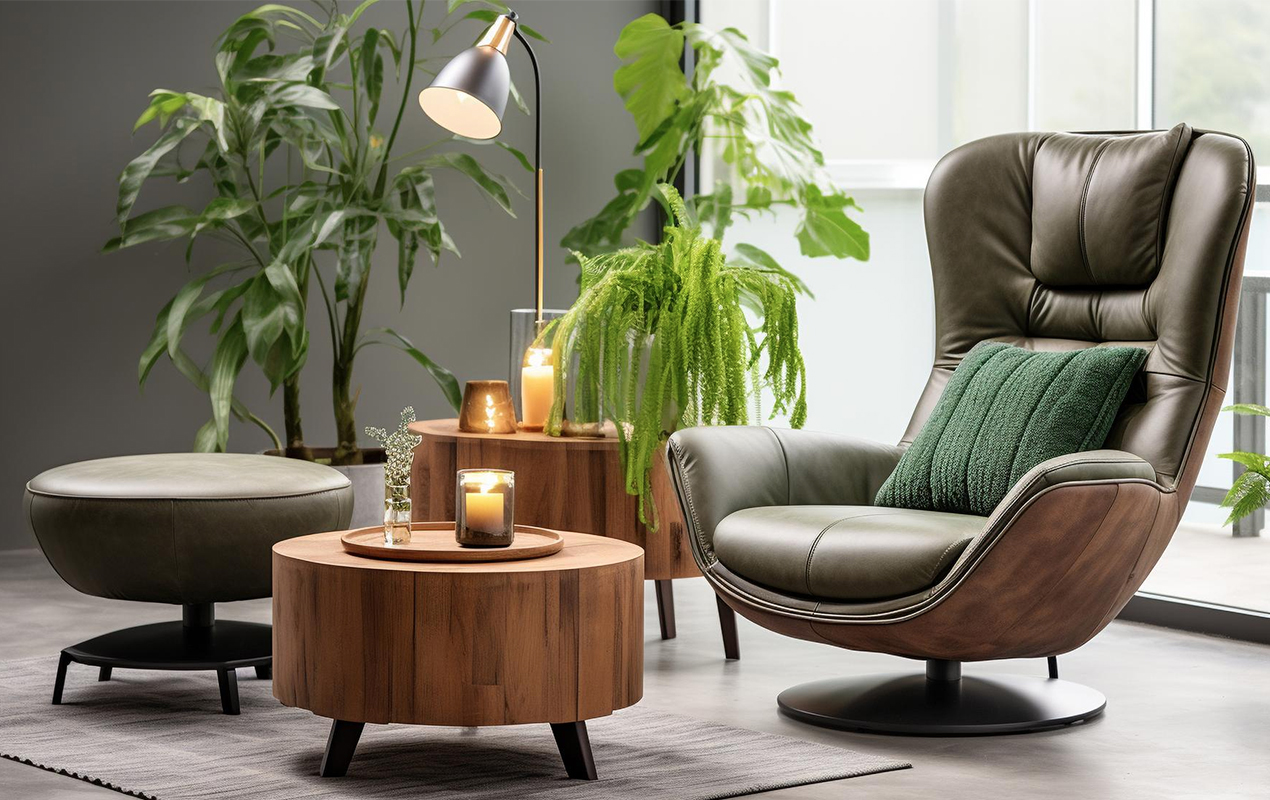
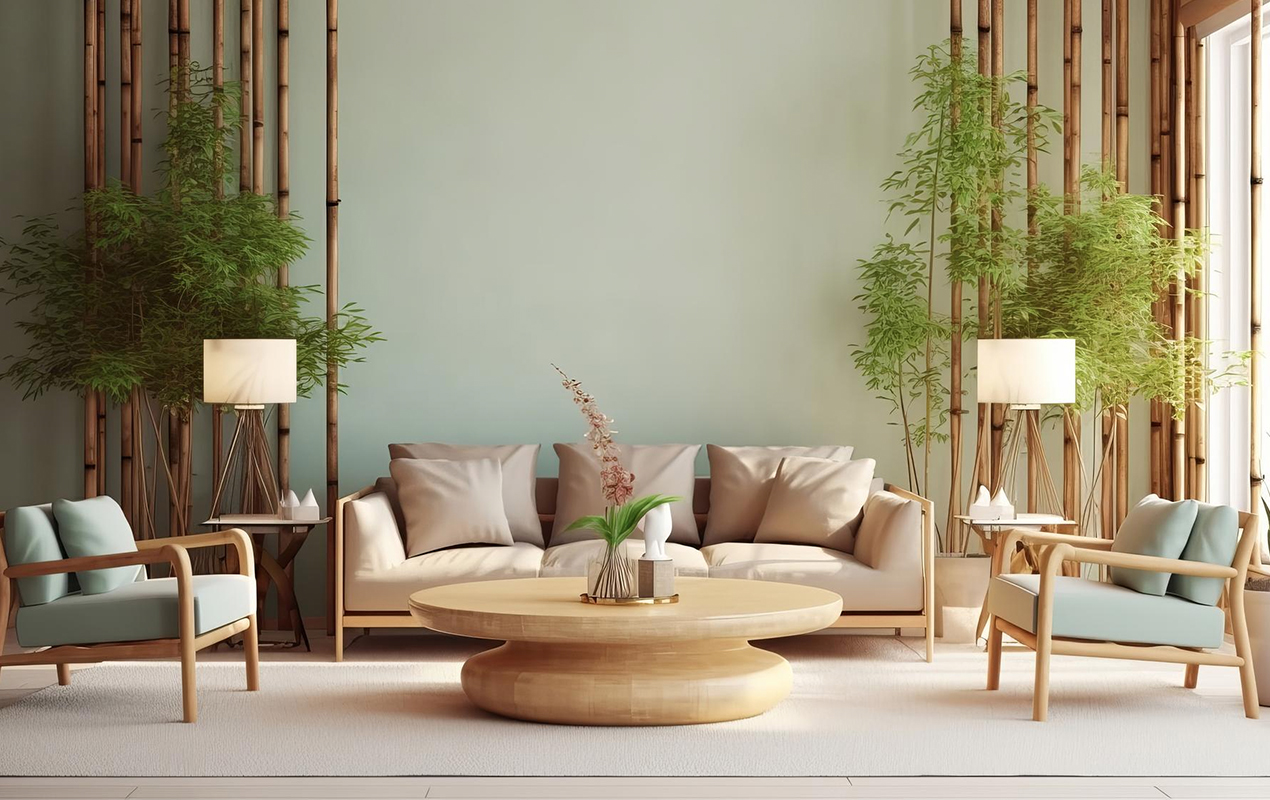
- Biophilic Design: Integrating natural elements to improve mental health and cognitive function. This includes:
- Maximizing natural light exposure.
- Incorporating extensive indoor vertical gardens and living walls.
- Using natural textures and patterns (e.g., wood grain, stone).
- Dedicated Wellness and Focus Zones: Specific areas will be designated for mental health, meditation, or high-focus work, often utilizing soundproofing and specialized lighting to create sensory separation from the rest of the house.
- Air Quality Focus: Advanced HVAC systems with HEPA and UV-C filtration will ensure ultra-clean indoor air, filtering out pollutants, allergens, and pathogens, turning the home into a true health bubble.
The Future of Construction
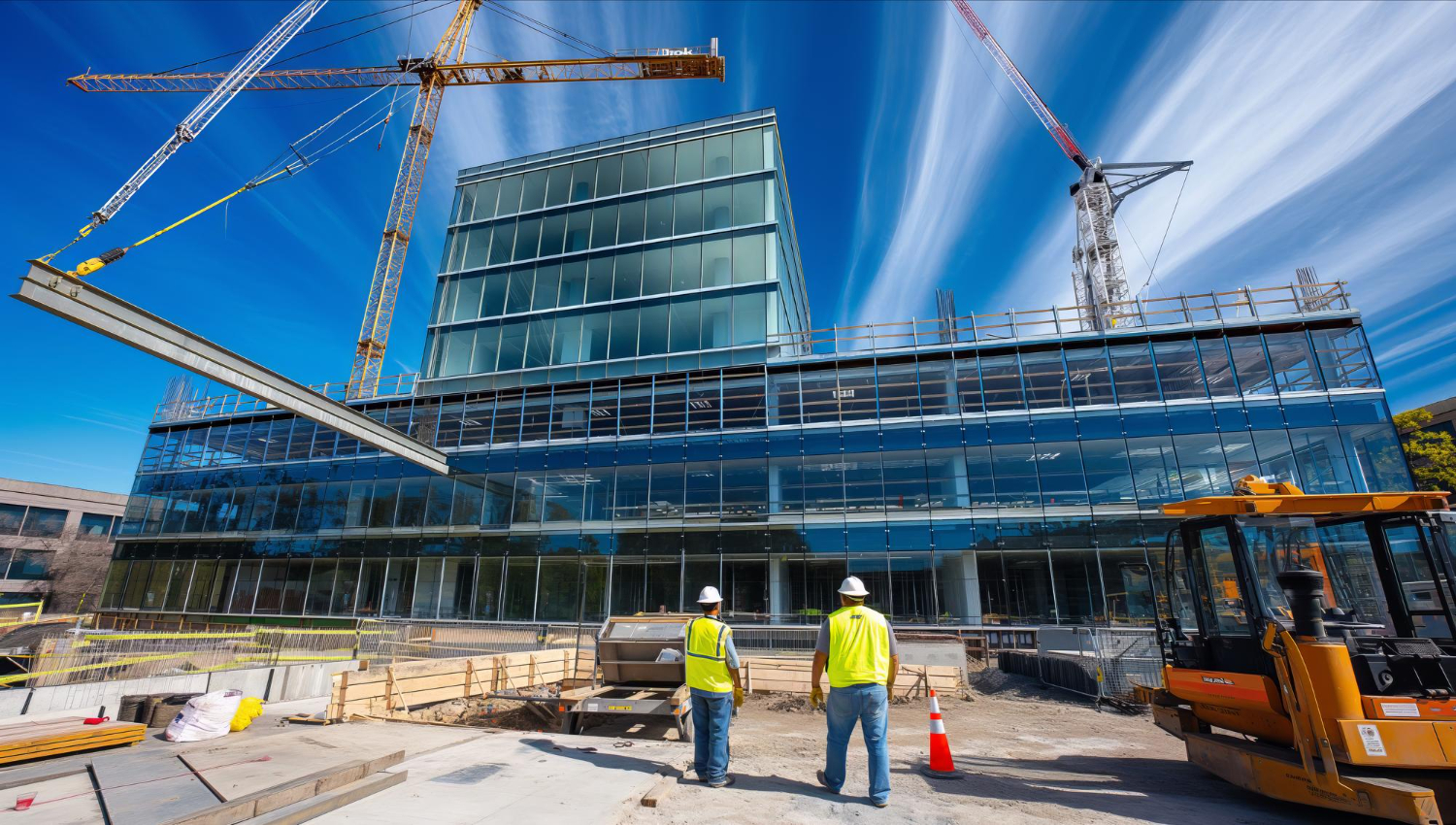
The methods by which future homes are built are also being revolutionized, addressing issues of labor shortage, cost, and speed.
- 3D-Printed Homes: This technology offers speed, geometric complexity, and significant waste reduction, making customized, affordable housing a reality.
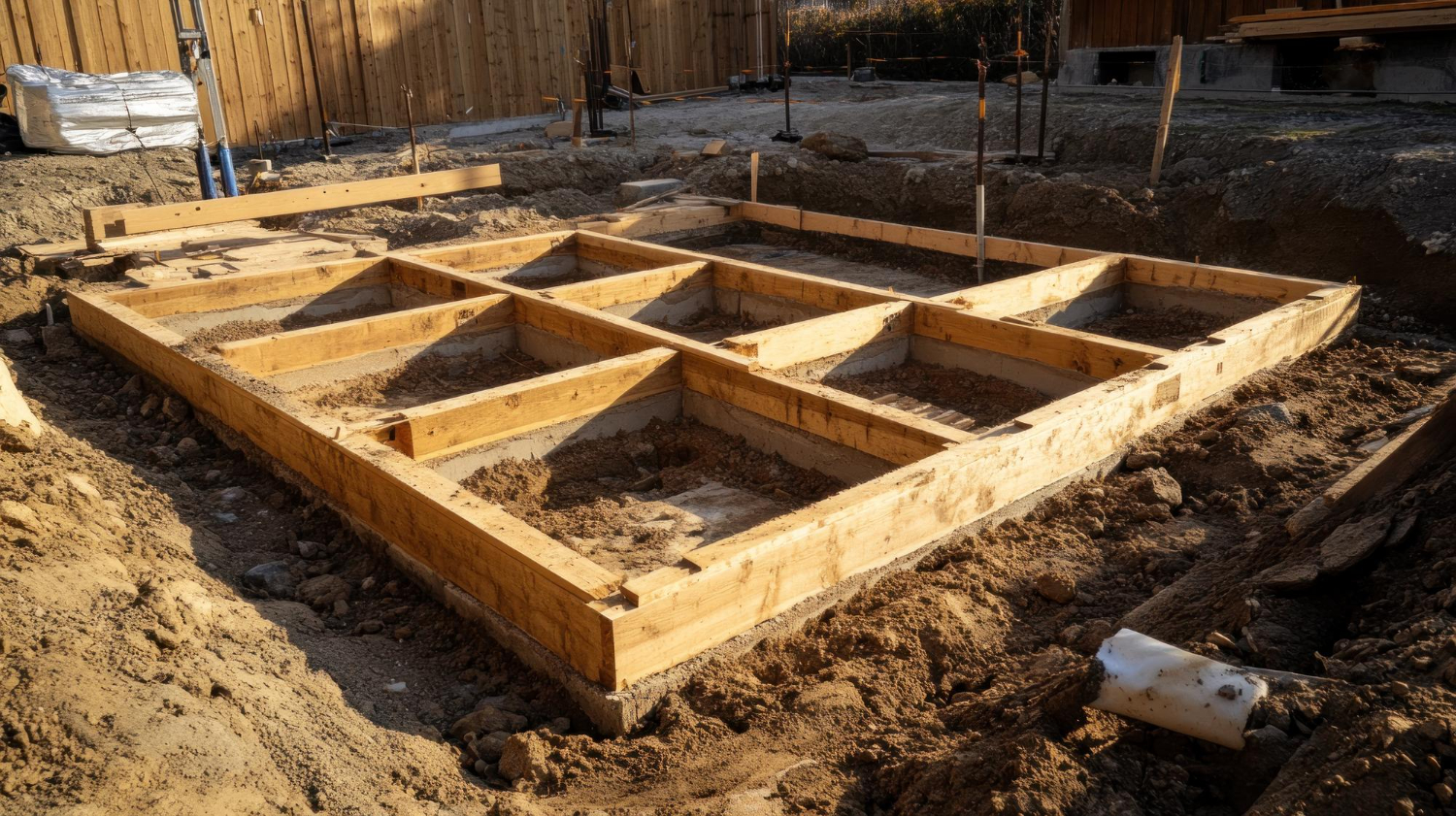
- Modular and Prefabricated Construction: Building components in a controlled factory environment (off-site) leads to higher quality, less material waste, and faster on-site assembly. This approach also naturally supports the integration of smart technologies during the manufacturing phase.
In conclusion, the future home is an intelligent, living system. It will be deeply connected to the network and the environment, and profoundly dedicated to the health and adaptability of its inhabitants. It represents a fundamental shift from static shelter to dynamic, personalized ecosystem.