Facade siding – Everything You Need to Know About Exterior Siding
-
Posted by
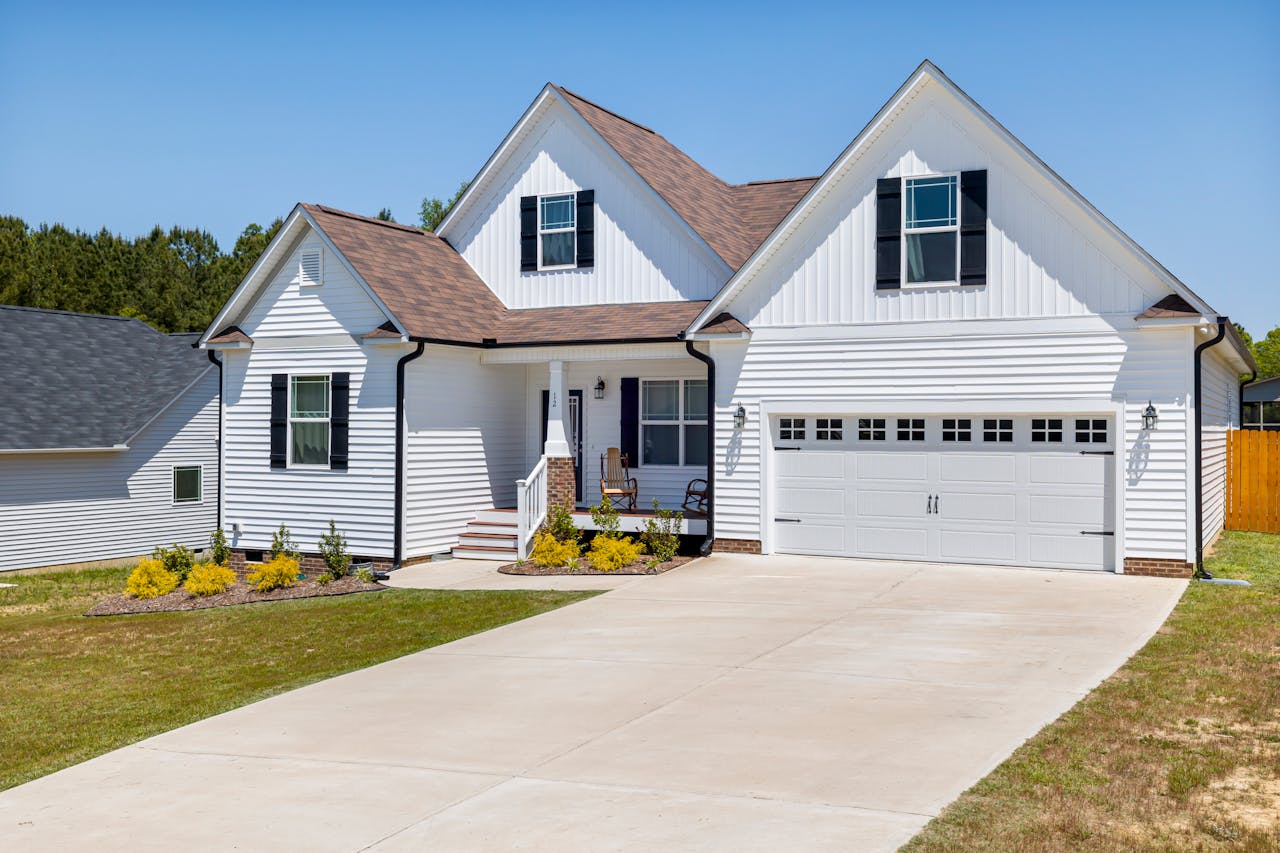
Facade siding is a popular and practical exterior finishing method that ori...






Put simply, your home should be a safe space for you to find refuge in …

Also called a show home or display home, a model home is something …

Caring for a home is a steady process that keeps the structure sturdy, the interior comfortable, and the value moving in the right direction. A house responds to attention, and small actions taken throughout the year help prevent bigger problems later on. Many homeowners already know that careful upkeep saves money, though the challenge often lies in creating a practical rhythm and knowing which areas deserve the most focus.
A place that remains clean, dry, protected, and organized tends to feel welcoming and dependable. The following sections look at key areas that influence condition, offering clear guidance for anyone aiming to keep their home in the best state possible.
A roof influences the comfort and protection of a home more than almost any other feature. Regular attention from trained specialists keeps leaks away, reduces repair costs, and helps the entire structure stay strong. Local crews who understand regional weather patterns can spot trouble early, guiding homeowners on maintenance that suits their exact environment.
Hiring professionals offers peace of mind, as the work is handled by individuals who know how to diagnose issues accurately and complete repairs that last. Trust tends to grow when a homeowner sees consistent quality, and it becomes easier to plan for future upgrades or improvements when communication remains open and dependable.
Many homeowners reach out to skilled teams by visiting https://floridaroofbros.com/, which connects them with roofing experts who deliver reliable service. Collaborating with the right team helps prevent sudden leaks, preserves attic insulation, and keeps energy costs stable throughout the year, all while supporting durability.
Clean surfaces make a home feel pleasant, though they also help limit wear. Dust, grime, and small spills may appear harmless at first, yet they slowly weaken finishes, flooring, and fixtures if ignored. A basic routine that includes wiping, sweeping, and gentle scrubbing goes a long way.
Wood floors respond well to light daily care, and countertops retain their shine when cleaned before buildup occurs. Moisture should be addressed quickly, especially in places like kitchens and bathrooms where water frequently appears.
Quick action helps prevent stains, softening, and mildew growth that may require expensive repairs. Paint, tile, and stone all benefit from steady attention, and homes with pets or young children usually appreciate a little extra time spent on upkeep.
Healthy air influences comfort, sleep, and well-being. Filters should be replaced on a schedule that suits the size of the home, the number of occupants, and the presence of pets. Airflow improves when vents remain free of obstructions such as furniture, thick curtains, or stored items.
Kitchens often collect smoke and cooking residue, so range hoods should be cleaned and used regularly to manage particles and odors. Homes in humid regions may find that dehumidifiers help preserve furniture and reduce unwanted growth on surfaces.
Those in drier areas may appreciate a humidifier during certain seasons, as it reduces irritation and keeps wood materials from drying out too quickly. Air quality plays a quiet but steady role in the feel of a space, and attention to it helps maintain a home that feels refreshing each day.
Plumbing that runs smoothly supports daily routines and protects the rest of the home from water damage. Many issues begin quietly and worsen over time, so simple habits make a meaningful difference. Running water should move freely through sinks, tubs, and showers.
Slow drainage often signals early buildup that can be cleared with routine maintenance. Pipes beneath sinks and behind appliances should be checked for moisture, as even a small leak can damage cabinets, flooring, and nearby walls.
Water heaters last longer when sediment is flushed periodically, and temperature controls help manage energy use. Outdoor spigots and sprinklers benefit from seasonal checks to prevent freezing or pressure problems.
Keeping a home in good condition relies on steady attention, practical routines, and thoughtful choices. With the right habits in place, a home stays strong, attractive, and enjoyable for many years to come.