How to Convert Your Garage into a Home Gym
-
Posted by
If you’re tired of driving to the gym or dealing with crowded workout space...






The corners of your living room space can easily be forgotten …

How to Embrace Classic Antique Decor What comes to mind …


Staying cool at home should not be complicated. A little know-how helps your AC work better, last longer, and use less energy. The ideas below are simple to apply and make a real difference in comfort.
This guide covers the must-know basics. You will learn how cooling works, which settings matter, and what maintenance you can handle yourself. Keep it handy for summer and for quick fixes year-round.
Small thermostat changes can cut bills without killing comfort. Try a higher setting when you are home and active, then a bit higher when you are away or sleeping. Pair those settings with ceiling fans for a cooler feel.
A widely shared tip from the U.S. Department of Energy is to shut off ceiling fans when you leave a room – fans cool people, not empty rooms. Using fans only when needed lets the thermostat ride slightly higher without feeling stuffy.
Smart or programmable thermostats make these shifts automatic. Create simple schedules for weekday and weekend use, and avoid rapid on-off cycling that stresses equipment.
Filters protect your system and your lungs. A clogged filter chokes airflow, strains the blower, and reduces cooling power. Most homes do well with a pleated filter. Check the size printed on the frame before you buy.
Change frequency depends on use and dust. Pets and open windows fill filters fast. For many households, every 1 to 2 months in the cooling season works well. If you are unsure, Energy Saver guidance suggests checking monthly and replacing when dirty.
Begin with a simple check: make sure the thermostat is set to Cool, and that return grilles are not blocked. If you are in Groton and the system is struggling, click here to see local repair options, then return to these steps. After replacing the filter, give the system 15 minutes to settle and check the airflow again.
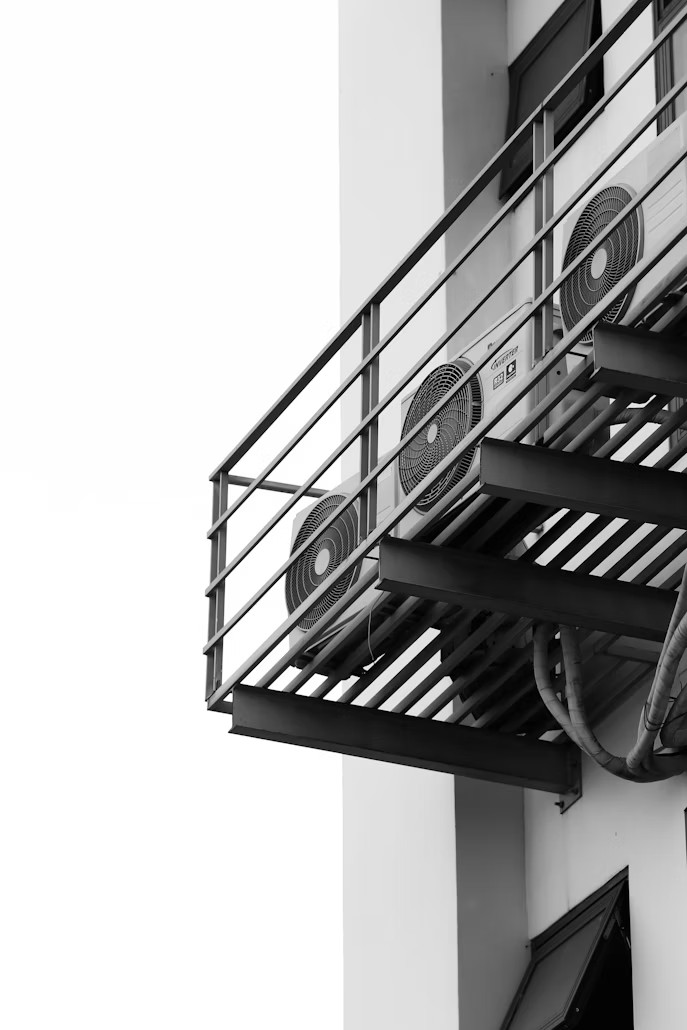
Start outside. Clear leaves, weeds, and branches at least 2 feet around the condenser. Hose the coil fins gently from the inside out to remove lint and pollen. Make sure the unit sits level so refrigerant and oil circulate well.
Inside, vacuum supply and return grilles. Open blocked vents, especially in rooms far from the air handler. Keep doors open during cooling so pressure can balance.
Once a year, inspect the drain line for clogs. A wet air handler or musty smell can mean a blocked drain. A small dose of white vinegar in the condensate line can help keep algae away.
Ceiling and portable fans make you feel cooler by boosting evaporation from your skin. That wind-chill effect is the point. It lets you nudge the thermostat higher without losing comfort.
According to Energy Saver, fans should be used only in occupied rooms and turned off when you leave – this habit prevents wasted electricity and keeps the cooling strategy efficient. Aim ceiling fan blades to spin counterclockwise in summer to push air down.
Box fans and window fans can help purge hot air at night if the outdoor air is cooler. Just remember to close up and switch back to AC during the heat of the day.
SEER2 is the seasonal efficiency score for central AC. Higher numbers mean less energy for the same cooling. Today’s systems also show EER2 for steady-state efficiency and sometimes use variable-speed compressors.
Do not chase numbers alone. Gains depend on duct sealing, insulation, and room-by-room airflow. A high-rated unit with leaky ducts can still waste energy and feel weak.
If your system is older than 12 to 15 years, compare repair costs to energy savings from a newer unit. Running the math over 5 to 10 years often reveals clear savings.
A good rule is the 5,000 test. Multiply the repair estimate by the system age. If the total is over 5,000, replacement may be smarter. For example, a $600 fix on a 10-year-old unit equals 6,000.
Look beyond the headline price. Frequent capacitor or refrigerant issues suggest deeper wear. If rooms are uneven or the humidity is high, new equipment with better controls can solve comfort problems, too.
Ask for a load calculation before any replacement. Right-sizing prevents short cycling and sticky air. Oversized systems cool fast but fail to dehumidify, which makes rooms feel warmer than the thermostat shows.
Start with the easy wins. Set a reasonable thermostat schedule, turn fans off when you leave, and check the filter. Clear 2 feet around the outdoor unit. These steps prevent many service calls.
Keep notes on dates, noises, and error codes. A simple log helps you spot patterns before a breakdown. With a few habits and timely care, your AC will run more smoothly and keep your home comfortable all season.