7 Reasons a Stretch Tent Is Perfect for Any Outdoor Occasion
-
Posted by
Did you know that one well-chosen tent can completely change the atmosphere...












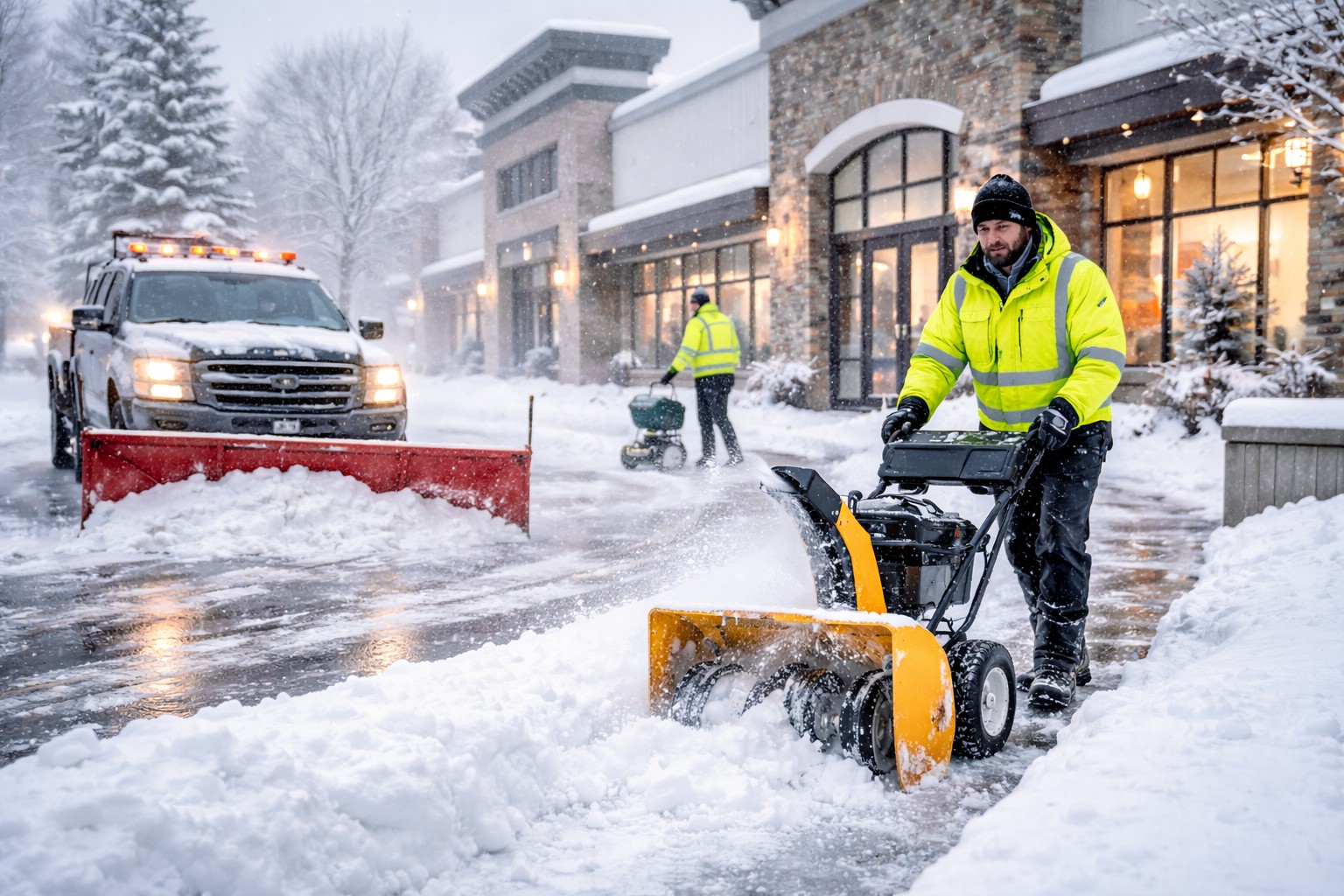
Winter operations in Salt Lake City demand planning, not reaction. Snow and ice affect access, safety, and daily business continuity for commercial properties across the valley. For property managers, HOA boards, retail owners, and office building operators, snow removal is not a seasonal convenience. It is a core responsibility tied to liability, tenant confidence, and asset protection.
Here is why commercial snow removal requires a structured approach in Utah winters.
Commercial properties experience steady foot traffic, frequent deliveries, and public access. Snow and ice increase slip and fall risk across sidewalks, parking lots, loading zones, and building entrances. When surfaces freeze overnight, hazards multiply quickly.
The Centers for Disease Control and Prevention reports a sharp rise in fall injuries during winter weather, often linked to untreated walkways and icy surfaces. For commercial properties, delayed or inconsistent snow clearing raises exposure to injury claims and insurance disputes. Even a short delay after a storm can carry long-term consequences.
Snow affects more than walkways. It interferes with core operations across the property.
Blocked parking stalls disrupt tenant schedules. Ice near entrances slows foot traffic. Delivery vehicles struggle to access loading areas. Emergency routes can become restricted when snow piles up in the wrong locations.
Let’s break it down further by looking at common commercial snow removal mistakes.
Many issues stem from reactive planning rather than preparation.
First, some properties rely on service only after snow has already compacted. Packed snow freezes quickly and becomes harder to remove safely.
Second, unplanned snow storage causes meltwater to refreeze across traffic areas. This creates repeat hazards even after plowing.
Third, incorrect deicing products damage concrete, landscaping, and drainage systems. They also lead to tenant complaints.
Finally, secondary access points such as fire lanes, loading docks, and side entrances often receive delayed attention. These areas still carry safety and compliance risks.
Effective commercial snow removal involves planning, monitoring, and documentation, not just plowing after storms.
Standard service should include parking lots, drive lanes, sidewalks, and building entrances. ADA access routes require consistent attention. Ice control must use materials appropriate for Utah temperatures to remain effective during freeze cycles.
Local experience matters. Providers familiar with Salt Lake City understand elevation changes, shade patterns, and storm timing across commercial sites. This knowledge supports faster response and better snow placement decisions.
Improper snow handling damages more than pavement. Snow piles crush turf, planter beds, and shrubs. Shovels scrape lawn edges. Deicers alter soil balance and weaken concrete surfaces when misused.
Utah State University Extension recommends controlled snow placement and selective ice management to reduce long-term landscape damage. Marking sensitive landscape areas before winter helps crews avoid costly repairs when visibility drops during storms.
Protecting landscaping during snow removal preserves both safety and property value.
Tenants expect safe access for employees, customers, and vendors during winter storms. When parking lots and entrances remain functional, businesses operate with fewer disruptions.
Properties that stay accessible during severe weather project professionalism and reliability. Consistent snow removal reduces tenant complaints and emergency maintenance calls. Over time, this supports stronger tenant retention and smoother property management.
Selecting the right provider makes winter operations easier.
Look for experience with commercial properties, not just residential driveways. Confirm service triggers and response timing. Review ice management protocols. Verify insurance coverage and service documentation.
Property managers researching Snow Removal in Salt Lake City often prioritize providers who offer structured service plans and understand how quickly conditions change along the Wasatch Front.
Commercial snow removal works best when plans are finalized before the first storm. Early preparation ensures priority response and clear expectations.
Next steps should include mapping priority access routes, identifying snow storage zones, and confirming response thresholds. Planning ahead reduces confusion during active storms and keeps properties operating safely.
Salt Lake City snow patterns vary by elevation, shade, and property layout. A one-size approach rarely works across commercial sites.
Local providers such as RedStone Property Maintenance & Landscaping bring firsthand experience managing winter conditions across the Salt Lake area. Familiarity with local weather patterns supports faster response and fewer service gaps when storms hit.
Treat snow removal as an operational priority, not an afterthought. Address ice control alongside snow clearing. Protect landscaping during snow relocation. Finalize service agreements before winter begins. Work with providers who understand local conditions.
Snow will fall every winter. How it is managed determines whether your property remains safe, accessible, and reliable when it matters most.